


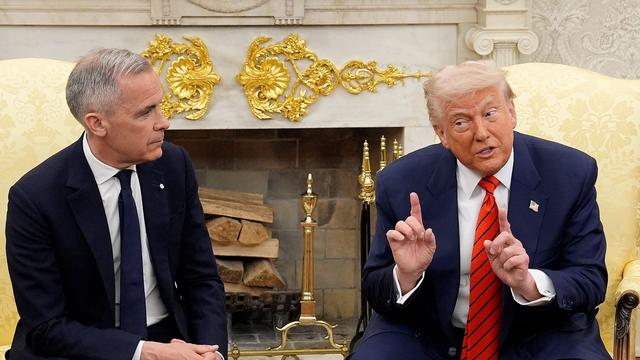
Canada prepares retaliatory tariffs amid escalating U.S. trade dispute
Translated from German, summarized and contextualized by DistantNews.
At a glance
News
From a news agency
New plan
- Canada is preparing to impose retaliatory tariffs on U.S. imports in response to escalating trade disputes.
- This move escalates concerns of a full-blown trade war between the two neighboring countries.
- Negotiations between the U.S. and Canada to avert new tariffs failed, with both sides blaming each other for the breakdown.
Canada is poised to impose tariffs on U.S. imports, signaling a significant escalation in the ongoing trade dispute between the two North American neighbors. This retaliatory measure heightens fears of a full-scale trade war, which experts warn could lead to a costly and damaging spiral of punitive actions.
Should Ottawa follow suit with tariffs and Trump respond with an escalation, both sides would enter a costly and damaging spiral of retaliatory measures.
Richard Fontaine, head of the Center for a New American Security, expressed concern, stating that if Ottawa follows through with tariffs and Washington retaliates, both nations would be drawn into a harmful cycle. He suggested that Canada has adopted a more confrontational stance, believing that yielding to the U.S. administration would only invite further demands. Fontaine cited Europe as a negative example in this context.
They have concluded that giving in to the Trump administration would only lead to further demands.
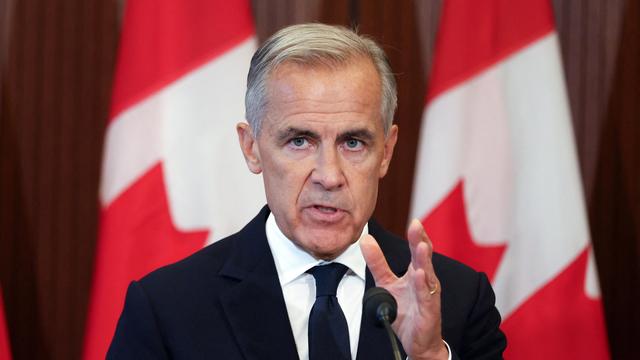
Negotiations between the U.S. and Canada aimed at preventing new tariffs continued into Saturday but ultimately failed. U.S. President Donald Trump had announced new tariffs of 50 percent on a range of products, including hockey sticks, furniture, and wine, in July. Canadian Prime Minister Mark Carney responded by announcing counter-tariffs, scheduled to take effect on September 8.
I believe we have an agreement with the Prime Minister, a good agreement for everyone.
Trump had initially granted Canada a three-day delay on the U.S. tariffs, expressing optimism about reaching an agreement. However, following the breakdown of talks, both sides accused each other of hindering a resolution with last-minute demands. Doug Ford, Premier of Ontario, Canada's most populous province, supported Carney's decision not to accept the U.S. offer, which he described as a "bad deal." Industry leaders had also reportedly rejected the U.S. proposal.
President Trump is the kind of person who will steal your break money on the first day, steal your hat on the second day, and steal your running shoes on the third day.
DistantNews Editorial
Originally published by Die Zeit in German. Translated, summarized, and contextualized by our editorial team with added local perspective. Read our editorial standards.
More Stories

From Our Blog

What Gets Lost (and Found) When News Is Translated

How the Same Story Looks Different in Different Countries

The Critical Role of Diaspora Media in Global News

What Travellers Should Know About Countries with Restricted Press

A Digital Nomad's Guide to Following Local News
