


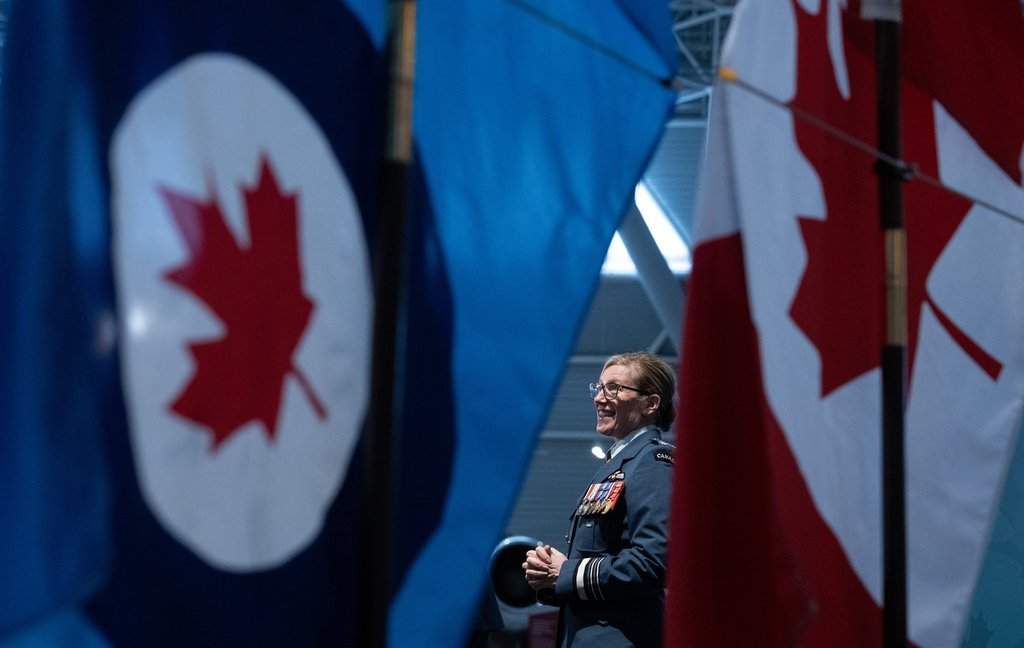
Canada's Defense Spending Boost Increases RCAF Pilot Flight Times
Translated from English, summarized and contextualized by DistantNews.
At a glance
News
Named sources
Context piece
- Canada's Royal Canadian Air Force (RCAF) is increasing flight times for its pilots due to a significant boost in defense spending.
- The RCAF is undergoing a major transformation, acquiring new aircraft and upgrading systems while managing existing fleets and personnel shortages.
- Increased funding allows for more spare parts, flying hours, experienced personnel, and improved readiness and interoperability with allies.
The Royal Canadian Air Force (RCAF) is experiencing a tangible benefit from the federal government's increased defense spending, with pilots now spending more time in the air. Lt.-Gen. Jamie Speiser-Blanchet, commander of the RCAF, noted this immediate effect one year into her tenure.
It’s that pace of change sometimes that worries me a little.
Speiser-Blanchet acknowledged the rapid and "giant transformation" the service is undergoing, likening it to rebuilding a plane while it's in flight. She expressed some concern about the pace of change, stating that while she is comfortable with modernization decisions, the worry of missing crucial steps for future success keeps her awake. The RCAF is in an execution phase, integrating numerous new systems, including fighter jets, surveillance craft, search-and-rescue planes, refueling tankers, and new aircrew training fleets.
By having this money, we were able to generate more spare parts and more flying hours.
This modernization effort occurs while the air force must maintain its older aircraft, overhaul training programs, and upgrade radar equipment. These challenges are compounded by personnel shortages and the need to adapt to rapid advancements in drone and missile technology. The increased funding, a result of the government's commitment to NATO spending, is directly translating into more spare parts and flying hours. This, in turn, leads to more experienced personnel, enhanced upgrades, and a greater level of overall readiness and interoperability with allied forces.
That results in more experienced personnel, more upgrades, more readiness.
DistantNews Editorial
Originally published by Global News in English. Translated, summarized, and contextualized by our editorial team with added local perspective. Read our editorial standards.
More Stories


From Our Blog

What Gets Lost (and Found) When News Is Translated

The Critical Role of Diaspora Media in Global News

What Travellers Should Know About Countries with Restricted Press

A Digital Nomad's Guide to Following Local News

How the Same Story Looks Different in Different Countries
