


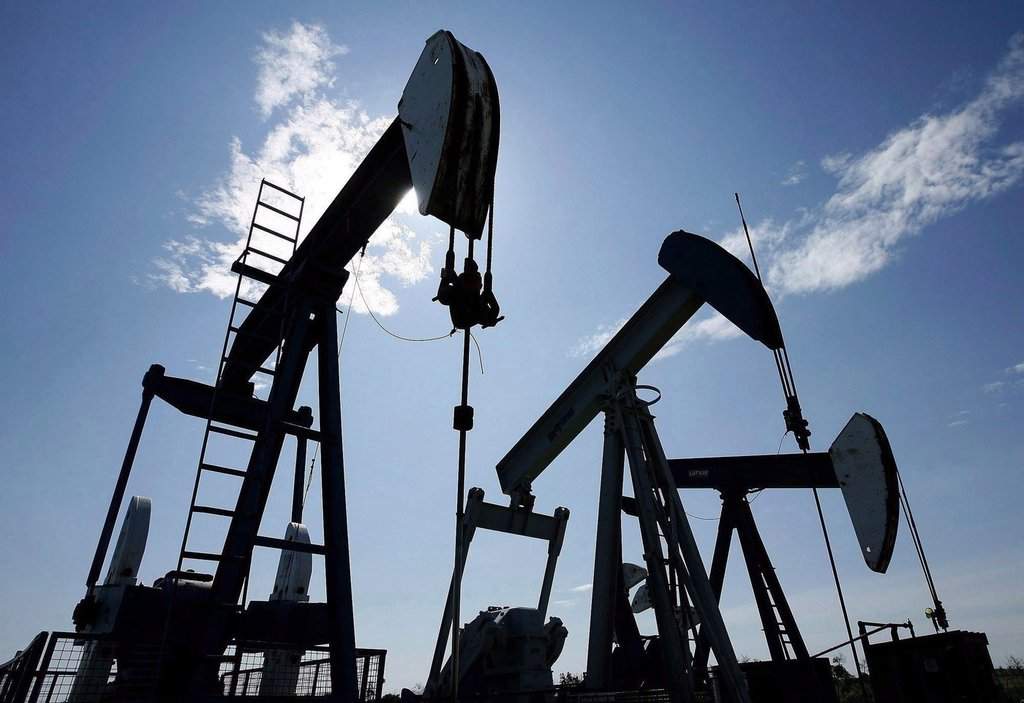
Canada's oil export leverage: Experts warn against repeating history
Translated from English, summarized and contextualized by DistantNews.
At a glance
Analysis
Sources not specified
Context piece
- Experts warn Canada against using energy exports as leverage against the U.S., citing historical negative consequences.
- In the 1970s, Canada's oil export tax and National Energy Program led to domestic resentment and strained U.S. relations.
- Using energy exports as a tool could harm Canada's most valuable export and alienate Western provinces.
The ongoing trade dispute between Canada and the U.S. has revived discussions about leveraging Canadian energy exports against the Trump administration. However, experts are pointing to historical precedents, warning that such a move could be detrimental.
More than 50 years ago, during a global energy crisis, Canada imposed an export tax on oil sold to the U.S. This was followed by the National Energy Program, aimed at reducing reliance on American investment and securing domestic supply. While these policies eventually contributed to the establishment of Petro-Canada and North American free trade, they also fueled decades of Western Canadian alienation that persists today.
It’s not in our interest to stymie our most valuable export.
Heather Exner-Pirot, a senior fellow at the Macdonald-Laurier Institute, argues that repeating this history would be unwise, especially with current energy price volatility, an upcoming Alberta separatism referendum, and rising tensions with Washington. "It’s not in our interest to stymie our most valuable export," she stated, adding that such a move would be "wildly crazy."
It would be absolutely seen as Alberta being the sacrificial lamb so that Ontario can feel some schadenfreude on this issue…. It would be wildly crazy to do this.
In October 1973, the Organization of Arab Petroleum Exporting Countries' oil embargo against the U.S. caused global prices to skyrocket. Canada responded by imposing an export tax on its oil, which was sold to the U.S. at a lower fixed rate. The tax revenues were intended to subsidize refiners in Eastern Canada, which relied on more expensive foreign oil. American officials accused Canada of "exploiting" the crisis, with some media outlets referring to Canadians as "blue-eyed Arabs" when the export tax rate increased.
A Canadian official told The New York Times in 1974, "We’re not out to gouge the Americans, and I wish to God they’d stop saying we are." Alberta, however, opposed the tax, arguing it should benefit from its own resources. A compromise was eventually reached to split tax revenues between provinces and the federal government, but the conflict significantly soured relations between Eastern and Western Canada.
We’re not out to gouge the Americans, and I wish to God they’d stop saying we are.
DistantNews Editorial
Originally published by Global News in English. Translated, summarized, and contextualized by our editorial team with added local perspective. Read our editorial standards.
More Stories

From Our Blog

What Gets Lost (and Found) When News Is Translated

The Critical Role of Diaspora Media in Global News

What Travellers Should Know About Countries with Restricted Press

A Digital Nomad's Guide to Following Local News

How the Same Story Looks Different in Different Countries
