

Canada Turns Away From Trump and Draws Closer to Europe
Translated from Polish and summarized by DistantNews. Read the original for the full story.
At a glance
Analysis
From a news agency
Context piece
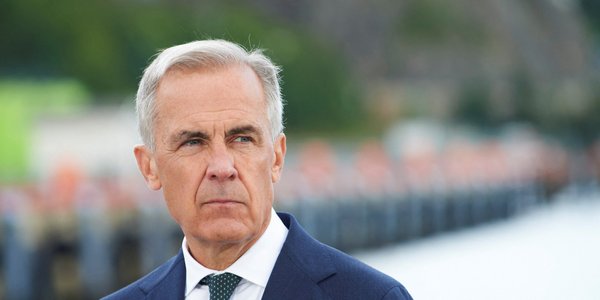
- Canadian Prime Minister Mark Carney will address the European Parliament on Sept. 16, alongside European Commission President Ursula von der Leyen’s State of the Union speech.
- His remarks will be closely watched for any reference to closer Canada-EU cooperation or possible EU membership in the distant future.
- The article examines how U.S. protectionism, formal barriers and geopolitical challenges could affect Canada’s relationship with Europe and the EU’s future character.
Mark Carney’s speech to the European Parliament on Sept. 16 has become a closely watched event, even though European Commission President Ursula von der Leyen is also due to deliver her State of the Union address that day.
The Canadian prime minister’s appearance has drawn attention because it could touch on a once-unlikely idea: much closer cooperation between Canada and the European Union, potentially including membership in the bloc over the longer term.
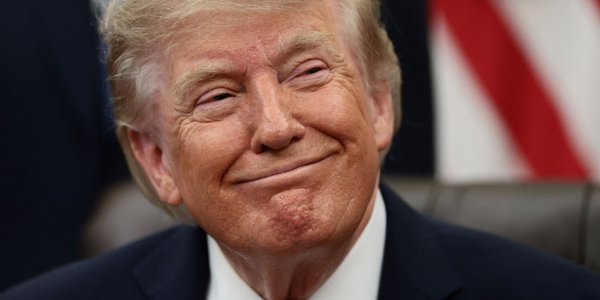
The possibility is presented in the context of Donald Trump’s demand that Canada become the 51st U.S. state. The article asks whether Canada, instead of moving closer to the United States, could ever become the EU’s 28th member. For now, the country’s European connection is more modest, with Canada joining Eurovision.
The article also points to the obstacles involved. Canada would face formal barriers and geopolitical challenges before any integration with the EU could be considered. Its potential membership could also permanently change the character of the European Union.
About this summary
Originally published by Rzeczpospolita in Polish. Translated, summarized, and contextualized automatically by DistantNews, with a note on how the source frames the story. Not individually reviewed before publishing. How this works.
More Stories


From Our Blog

What Gets Lost (and Found) When News Is Translated

The Critical Role of Diaspora Media in Global News

What Travellers Should Know About Countries with Restricted Press

A Digital Nomad's Guide to Following Local News

How the Same Story Looks Different in Different Countries
