


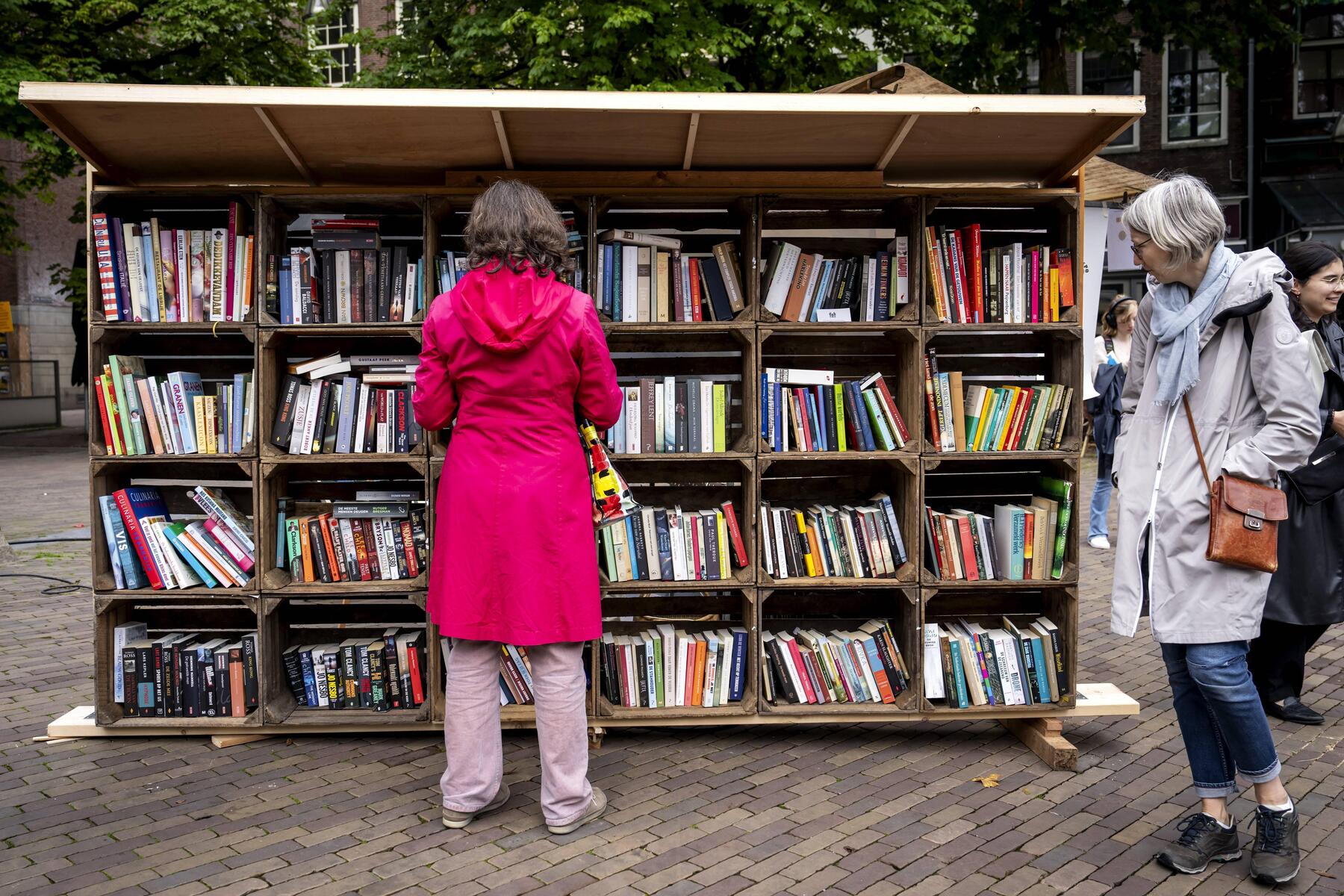
Canadian firm buys Austrian bookstores out – is AI behind it?
Translated from German, summarized and contextualized by DistantNews.
At a glance
News
Named sources
Context piece
- Austrian antiquarian bookstores received large, unusual orders from Canadian company Zoom Books, prompting suspicion of automated bots.
- The books purchased were non-fiction titles with ISBNs, often slow-moving stock for the bookstores.
- Industry insiders suspect AI companies might be behind the bulk purchases to acquire vast amounts of text data for training artificial intelligence models.
Antiquarian bookstores in Austria are puzzled by a surge of late-night online orders from a Canadian company named Zoom Books. Karin Schaden, a bookseller in Vienna, described the orders as appearing to come from automated bots rather than genuine customers. The purchases, consisting of non-fiction books with ISBNs, were diverse, lacking a clear thematic logic. However, the common thread is that these are often titles that have been difficult to sell, leading to a welcome, albeit strange, influx of business for the shops. "Some colleagues who work with second-hand books have sold a lot. They were happy to get rid of the titles," said Robert Schoisengeier, president of the Antiquarian Booksellers Association in Austria. The transactions are facilitated through platforms like the Central Directory of Antiquarian Books (ZVAB), which has confirmed Zoom Books as a legitimate company. While the bookstores are benefiting from clearing out old stock, the underlying reason for these large-scale acquisitions remains unclear. Many in the industry suspect that artificial intelligence companies are the driving force. These companies require massive amounts of text data to train their AI models. With much of the readily available online text already incorporated into various AI systems, companies like Anthropic in the US have reportedly begun sourcing data from physical books, purchasing millions of titles through second-hand platforms. This trend could represent a new avenue for AI development, potentially exploiting a loophole in copyright law.
For me, it looked like no real person had placed these orders. I believe they were automated bots.
DistantNews Editorial
Originally published by Die Presse in German. Translated, summarized, and contextualized by our editorial team with added local perspective. Read our editorial standards.
More Stories


From Our Blog

What Gets Lost (and Found) When News Is Translated

The Critical Role of Diaspora Media in Global News

What Travellers Should Know About Countries with Restricted Press

A Digital Nomad's Guide to Following Local News

How the Same Story Looks Different in Different Countries
