


Canadian Music Festival Offers Drug Testing Amid Ongoing Overdoses
Translated from Korean, summarized and contextualized by DistantNews.
At a glance
News
Named sources
Context piece
- A major music festival in Canada's British Columbia is offering on-site drug testing services, a harm reduction strategy to mitigate risks associated with illicit substance use.
- Despite the testing, drug-related incidents, including overdoses and deaths, continue to occur at the festival.
- The festival's approach contrasts with stricter policies in other countries, prioritizing user safety and access to medical support.
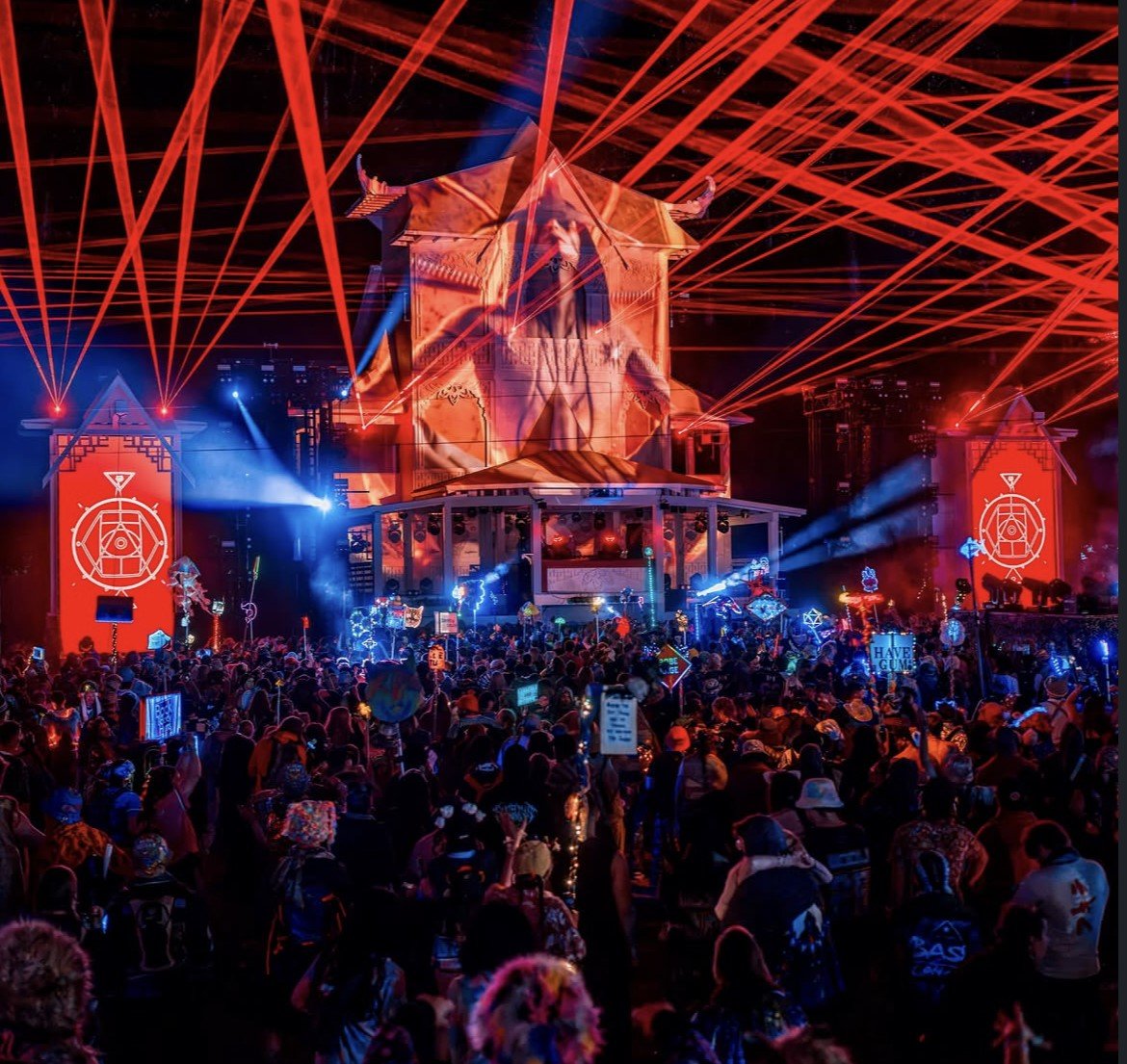
The Shambhala Music Festival in British Columbia, Canada, presents a starkly contrasting scene: alongside the vibrant music and dancing, illicit drug sales are openly conducted, while a government-sanse-approved drug-checking service operates nearby. This unique environment, attended by 23,500 people, highlights a complex approach to drug use at large public events.
Festival-goers can bring their purchased substances to a state-of-the-art facility for free testing. This service aims to identify potentially dangerous compounds and inform users about the risks. Last year, about 7% of the 4,592 samples tested revealed unexpected substances, including fentanyl and other hazardous mixtures. This harm reduction strategy acknowledges that people will use drugs and seeks to minimize the potential for overdose or poisoning.
We know people are going to use drugs anyway. It's important to make sure they can get help when they need it.
However, the presence of drug-testing services has not eliminated drug-related harm. The festival has seen four deaths over 27 years, with two linked to drug use. In 2024 alone, a cocaine overdose fatality occurred. Medical staff treat between 600 and 800 serious medical issues annually, many involving drug-related symptoms like altered consciousness, psychosis, and seizures.
Festival organizers defend their harm reduction policy, stating that prohibiting drug use entirely is unrealistic. "We know people are going to use drugs anyway," said festival CEO Neil McLeod. "It's important to make sure they can get help when they need it." The festival also operates a 12-bed field hospital and a "Sanctuary" rest area for those experiencing adverse reactions. This approach, according to Tammy Anderson, a professor at the University of Delaware, offers a safer environment than events in the U.S., where organizers may feel pressured to ignore drug use due to legislation like the RAVE Act.
If my son were to go, I would choose Shambhala, which has safety measures in place.
DistantNews Editorial
Originally published by Dong-A Ilbo in Korean. Translated, summarized, and contextualized by our editorial team with added local perspective. Read our editorial standards.
More Stories



From Our Blog

What Gets Lost (and Found) When News Is Translated

The Critical Role of Diaspora Media in Global News

What Travellers Should Know About Countries with Restricted Press

A Digital Nomad's Guide to Following Local News

How the Same Story Looks Different in Different Countries
