


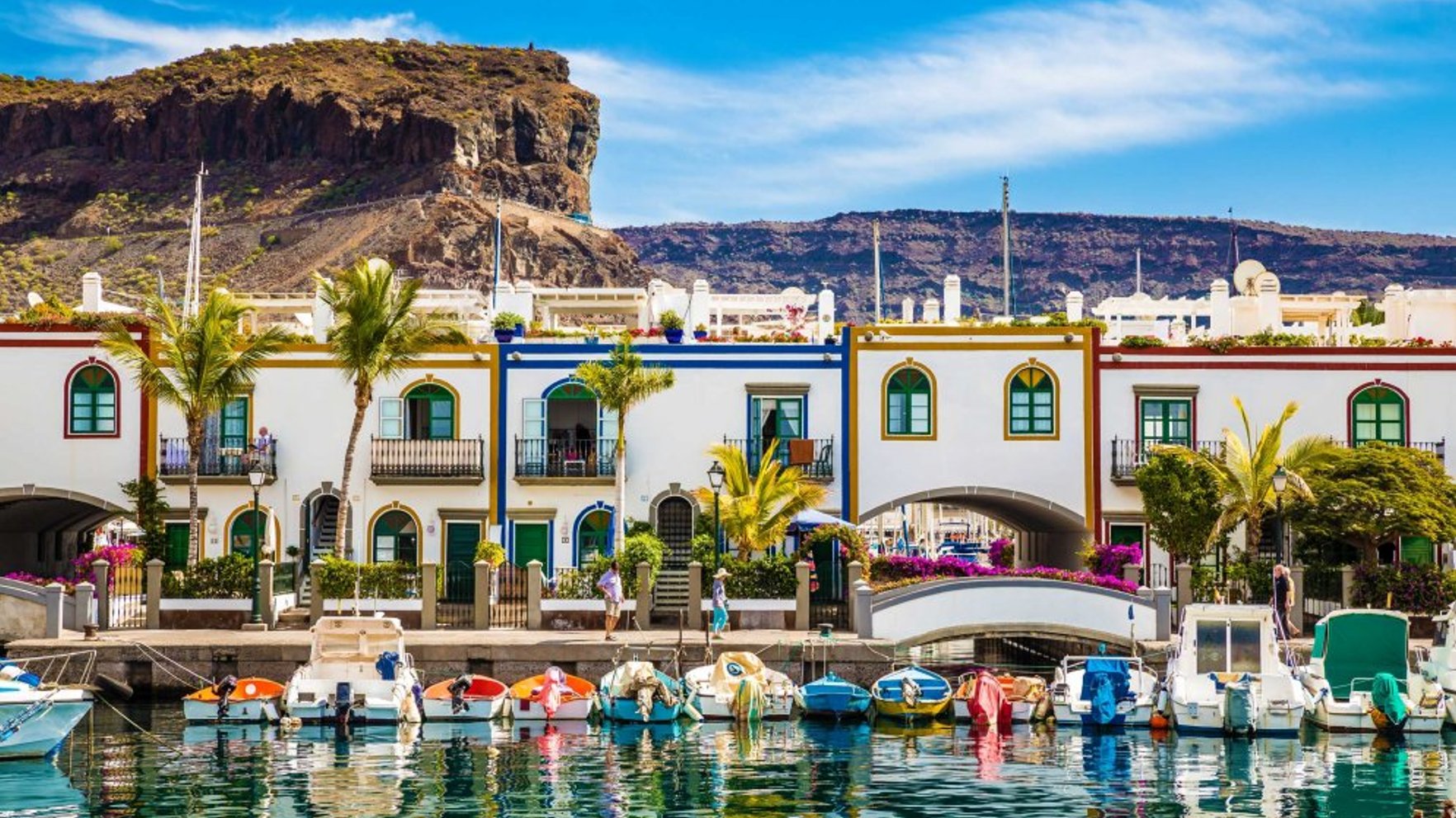
Canary Islands to Introduce Voluntary Tourism Levy for Sustainability Projects
Translated from Latvian, summarized and contextualized by DistantNews.
At a glance
News
Sources not specified
New plan
- The Canary Islands will introduce a voluntary tourism tax to fund sustainability projects.
- The initiative aims to support environmental and community initiatives, making tourism a regenerative force.
- This approach addresses climate change challenges like water scarcity and heatwaves, making islands more resilient.
The Canary Islands are opting for a voluntary tourism contribution instead of a mandatory tax to fund sustainability projects. This initiative encourages travelers to support local environmental and community efforts, aiming to make tourism a regenerative force. The funds will finance projects focused on restoring nature and supporting communities, enhancing the archipelago's ecological, social, and cultural aspects.
The system will be implemented across islands like Tenerife, Gran Canaria, and Lanzarote. The tourism department plans to initially select five projects: one on each of the most visited islands and one cross-island social project. Project success will be monitored based on emission reductions, habitat restoration, species recovery, landscape improvement, and green job creation, ultimately aiming to reduce poverty.
This approach aligns with climate policy goals by transforming tourism from a consuming industry into a restorative one. Restoring natural areas and improving water, landscape, and habitat management will help the islands become more resilient to drought, heatwaves, and other climate change risks. Climate change is already a pressing issue in the Canary Islands, with water scarcity and rising temperatures posing significant threats. Several islands have already declared water emergencies, and projections indicate a substantial increase in heatwaves.
DistantNews Editorial
Originally published by Delfi Latvia in Latvian. Translated, summarized, and contextualized by our editorial team with added local perspective. Read our editorial standards.
More Stories


From Our Blog

What Gets Lost (and Found) When News Is Translated

The Critical Role of Diaspora Media in Global News

What Travellers Should Know About Countries with Restricted Press

A Digital Nomad's Guide to Following Local News

How the Same Story Looks Different in Different Countries
