


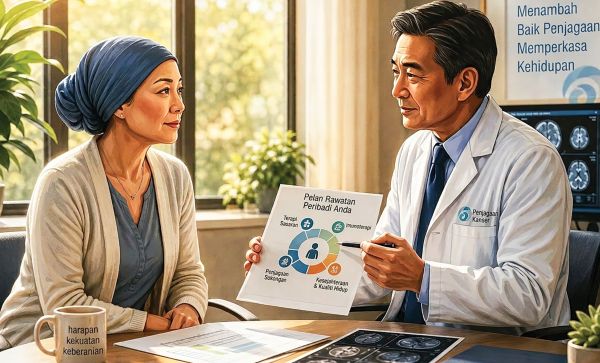
Cancer Treatment Evolves Towards Personalized Care in Malaysia
Translated from Malay, summarized and contextualized by DistantNews.
At a glance
News
Sources not specified
Context piece
- Modern cancer treatments are increasingly personalized and targeted, moving beyond traditional chemotherapy and radiotherapy.
- Advances in molecular pathology allow doctors to tailor treatment plans to the unique genetic profile of each patient's cancer.
- The focus is shifting from merely extending lifespan to improving patients' quality of life during and after treatment.
Cancer treatment has undergone a significant transformation over the past decade, shifting from a one-size-fits-all approach to highly personalized and targeted therapies. This evolution is driven by advancements in molecular pathology, enabling doctors to analyze the unique biological and genetic profile of each patient's cancer.
Previously, treatment decisions were primarily based on the cancer's location, like breast or lung, and followed standardized protocols. Now, specialists can delve deeper, customizing treatment plans to the individual's genetic makeup. This personalized approach ensures that therapies are more effective and have more manageable side effects, allowing patients to maintain their daily routines, work, and family responsibilities.
The theme for World Cancer Day, 'United by Unique,' underscores this shift, recognizing that while patients may share a diagnosis, their experiences, biological differences, life backgrounds, aspirations, and priorities are distinct. This individuality is central to modern cancer care, aiming not just for survival but for a meaningful life.
In Malaysia, increased access to molecular testing aids oncologists in making faster, more accurate clinical decisions. Innovations like immunotherapy and oral targeted therapies are proving particularly effective in treating cancers such as lung and breast cancer, leading to significantly improved survival rates. The ultimate goal is to enhance the quality of life for patients throughout their treatment journey.
DistantNews Editorial
Originally published by Utusan Malaysia in Malay. Translated, summarized, and contextualized by our editorial team with added local perspective. Read our editorial standards.
More Stories

From Our Blog

What Gets Lost (and Found) When News Is Translated

The Critical Role of Diaspora Media in Global News

What Travellers Should Know About Countries with Restricted Press

A Digital Nomad's Guide to Following Local News

How the Same Story Looks Different in Different Countries
