

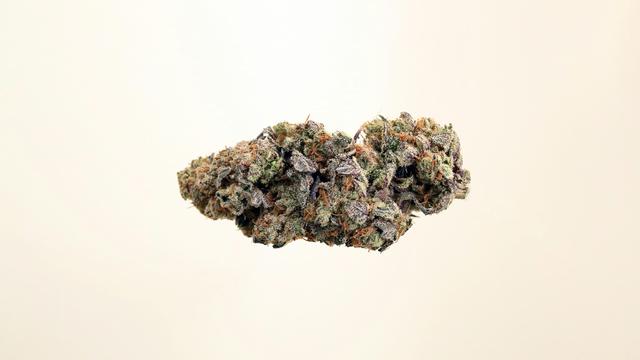
Cannabis Legalization: Not Our Biggest Drug Problem
Translated from German and summarized by DistantNews. Read the original for the full story.
At a glance
Analysis
Sources not specified
Context piece
- Despite recent partial legalization, cannabis consumption in Germany has not significantly increased, according to wastewater analysis.
- The data suggests that other drugs, such as cocaine and amphetamines, pose a greater public health challenge.
- Experts emphasize the need to focus resources on addressing the actual prevalent drug issues rather than solely on cannabis.
Germany's partial legalization of cannabis has sparked widespread debate, yet new analysis suggests the focus may be misplaced. Contrary to public discussion, data from wastewater monitoring indicates no significant rise in cannabis consumption following the policy change. This finding challenges the narrative that legalization has led to increased use.
The real drug concerns, according to the analysis, lie with other substances. Cocaine and amphetamines appear to be more prevalent and are potentially causing greater public health issues. This shift in focus suggests that resources and attention might be better directed towards tackling these more pressing drug problems.
Experts are urging a re-evaluation of drug policy priorities. They argue that while cannabis legalization is a significant social and political event, it does not represent the most urgent drug-related challenge facing the country. The evidence from wastewater analysis provides a data-driven basis for this call to action, highlighting the need for a pragmatic approach to drug policy.
About this summary
Originally published by Die Zeit in German. Translated, summarized, and contextualized automatically by DistantNews, with a note on how the source frames the story. Not individually reviewed before publishing. How this works.
More Stories
From Our Blog

What Gets Lost (and Found) When News Is Translated

How the Same Story Looks Different in Different Countries

The Critical Role of Diaspora Media in Global News

What Travellers Should Know About Countries with Restricted Press

A Digital Nomad's Guide to Following Local News
