

Capital's Light Rail Fully Opens After Years of Construction
Translated from Danish, summarized and contextualized by DistantNews.
At a glance
News
Sources not specified
New plan
- The Capital's Light Rail, a long-awaited public transport project in Greater Copenhagen, is fully opening its 29 stations after years of construction.
- The light rail aims to improve cross-suburban public transport, connecting areas outside the city center more easily than the existing S-train and metro networks.
- While initial ridership has exceeded expectations, the project faced political opposition, and its long-term success in changing transport habits remains to be seen.
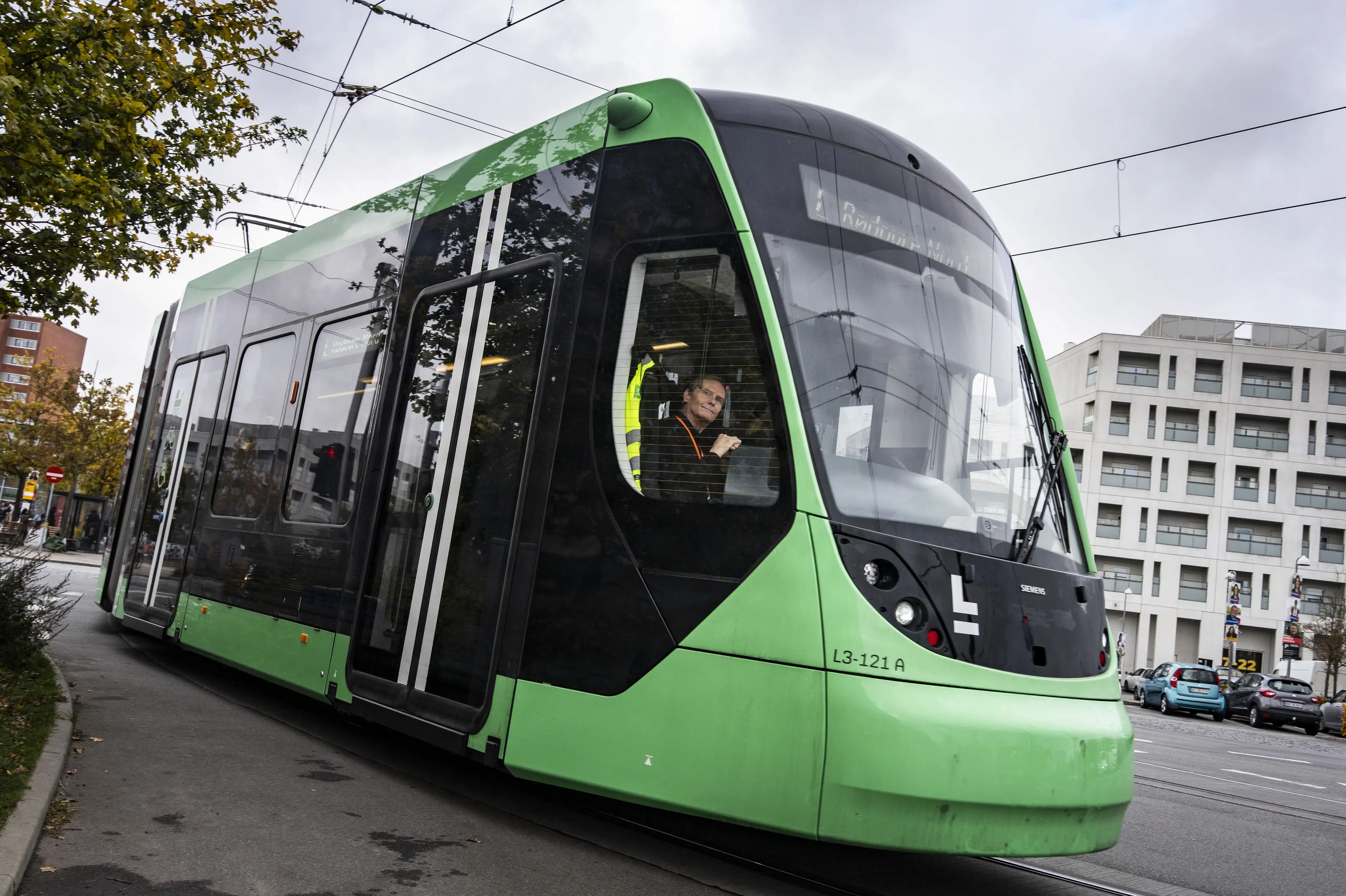
After years of traffic disruptions and extensive construction work along Ring 3, the Capital's Light Rail is finally opening its entire 29-station route. The final 17 stations will be inaugurated on Saturday, marking the completion of a project that has been a long time in the making for commuters, residents, and businesses in Greater Copenhagen.
The journey along the full route will take up to 68 minutes, with trains running every five to eight minutes. The light rail aims to enhance public transport across the metropolitan area, providing a much-needed connection between suburbs that have historically been less accessible by public transit compared to routes into and out of Copenhagen city center.
we can change people's transport habits.
Passenger numbers for the first section, which opened in October 2025, have reportedly exceeded expectations, with over one million passengers recorded by May. Local politicians have cited this as evidence of a shift in people's transport habits. However, the project has not been without its critics. The mayor of Lyngby, Sofia Osmani, who opposed the light rail, will not be present at the inauguration, with the deputy mayor set to cut the ribbon instead.
The Capital's Light Rail is owned by Region Hovedstaden and 11 municipalities, with an estimated establishment cost of around ten billion Danish kroner. Construction began in 2019, with building commencing in 2022. The full opening is expected to significantly improve regional connectivity, and by 2030, it is projected to transport approximately 14 million passengers annually, with Lyngby station anticipated to be the busiest.
When the entire route opens, we will connect the region much better and make it easier to travel across the S-train network. It is very visionary, and we are already seeing that the light rail is popular.
DistantNews Editorial
Originally published by Berlingske in Danish. Translated, summarized, and contextualized by our editorial team with added local perspective. Read our editorial standards.
More Stories


From Our Blog

What Gets Lost (and Found) When News Is Translated

The Critical Role of Diaspora Media in Global News

What Travellers Should Know About Countries with Restricted Press

A Digital Nomad's Guide to Following Local News

How the Same Story Looks Different in Different Countries
