


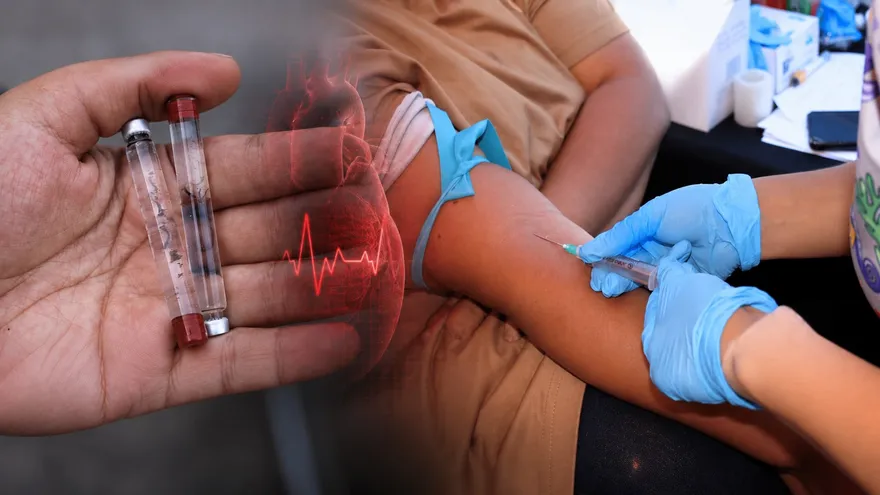
Cardiovascular diseases increase risk of death from dengue, flu, COVID-19, Panama health ministry warns
Translated from Spanish, summarized and contextualized by DistantNews.
At a glance
News
Official statement
Context piece
- Panama's Ministry of Health warns that cardiovascular diseases like hypertension and diabetes increase the risk of severe complications and death from dengue, influenza, and COVID-19.
- Health officials emphasize that controlling chronic conditions strengthens the body's ability to fight infectious diseases.
- The ministry also notes a concerning rise in cardiovascular issues among Panamanians aged 20-40, urging regular preventive check-ups from age 20.
Panama's Ministry of Health (Minsa) has issued a stark warning: individuals with pre-existing cardiovascular conditions such as hypertension, diabetes, and obesity face a significantly higher risk of severe illness and death if they contract infectious diseases like dengue, influenza, or COVID-19.
According to Israel Cedeño, head of the Minsa's National Department of Health and Comprehensive Population Care, these chronic conditions heighten vulnerability to infectious agents, increasing the likelihood of developing grave clinical presentations. "A hypertensive or diabetic person has a much greater risk of suffering complications if they contract an infectious disease like COVID-19, influenza, or dengue," Cedeño explained. He stressed that prevention must be comprehensive, extending beyond managing the cardiovascular disease itself.
Cedeño highlighted that maintaining controlled blood pressure, stable glucose levels, and a healthy weight not only reduces the risk of heart attacks and strokes but also bolsters the body's resilience against other illnesses. He observed that some individuals focus solely on the immediate complications of hypertension or diabetes, neglecting how these conditions can exacerbate the impact of infections.
A hypertensive or diabetic person has a much greater risk of suffering complications if they contract an infectious disease like COVID-19, influenza, or dengue. That is why prevention must be comprehensive and not limited solely to the control of cardiovascular disease.
The Minsa also expressed concern over the increasing prevalence of cardiovascular diseases among Panamanians aged 20 to 40. Factors contributing to this trend include a lack of awareness regarding family history of heart conditions and insufficient regular medical check-ups. "Many people do not know they have hypertension until they present a complication," Cedeño noted, strongly recommending preventive screenings starting at age 20, or even earlier if risk factors or family history are present.
In response, the Minsa has updated its management guidelines for non-communicable diseases with an integrated approach, involving multidisciplinary teams. The institution advises a healthy diet, regular physical activity, avoidance of tobacco and alcohol, weight management, and consistent medical evaluations, even in the absence of symptoms. Early detection and timely treatment are crucial for preventing severe outcomes like heart attacks, strokes, and kidney failure, while also reducing the risk of serious illness from infectious diseases.
Many people do not know they have hypertension until they present a complication. Therefore, the recommendation is to carry out preventive check-ups periodically starting at age 20, and even from childhood when there are risk factors or family history.
DistantNews Editorial
Originally published by TVN Panamá in Spanish. Translated, summarized, and contextualized by our editorial team with added local perspective. Read our editorial standards.
More Stories

From Our Blog

What Gets Lost (and Found) When News Is Translated

The Critical Role of Diaspora Media in Global News

What Travellers Should Know About Countries with Restricted Press

A Digital Nomad's Guide to Following Local News

How the Same Story Looks Different in Different Countries
