


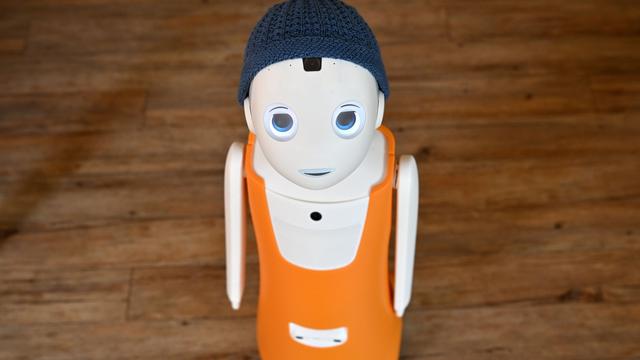
Care: Rolling Eyes and AI: What Robots Can Achieve in Elderly Care
Translated from German, summarized and contextualized by DistantNews.
At a glance
In-depth
Sources not specified
Context piece
- Robots equipped with AI are being tested in elderly care facilities to assist with daily tasks and provide companionship.
- These robots feature expressive eyes and can interact with residents, offering support and potentially easing the burden on human caregivers.
- The technology aims to improve the quality of care and address staffing shortages in the sector.
In the realm of elderly care, a new generation of robots, equipped with artificial intelligence and expressive features, are beginning to make their presence felt. These advanced machines are being trialed in care facilities, designed to assist residents with various daily activities and offer a form of companionship.
With features like 'Kulleraugen' (rolling eyes), these robots are capable of interacting with elderly individuals in a way that aims to be both supportive and engaging. The technology is seen as a potential solution to alleviate the immense pressure on human caregivers, who often face demanding workloads and staffing shortages.
The integration of AI in these robots allows them to perform tasks that can enhance the quality of life for residents, from providing reminders to engaging in simple conversations. While not a replacement for human interaction, the hope is that these robotic assistants can supplement care, improve efficiency, and offer comfort to those in need, marking a significant step in the technological evolution of healthcare.
DistantNews Editorial
Originally published by Die Zeit in German. Translated, summarized, and contextualized by our editorial team with added local perspective. Read our editorial standards.
More Stories


From Our Blog

What Gets Lost (and Found) When News Is Translated

How the Same Story Looks Different in Different Countries

The Critical Role of Diaspora Media in Global News

What Travellers Should Know About Countries with Restricted Press

A Digital Nomad's Guide to Following Local News
