


West Nile Fever Cases Rise Sharply in Italy, Europe Sees 81 Infections
Translated from German, summarized and contextualized by DistantNews.
At a glance
News
From a news agency
Context piece
- West Nile fever cases in Europe have risen to 81, with Italy reporting 46 cases, according to the European Centre for Disease Prevention and Control (ECDC).
- Italy has seen a significant increase in infections, affecting 20 regions including Milan and Rome, while Germany has recorded two travel-related cases.
- Health officials emphasize that while the risk of severe illness is low for most, longer and hotter summers increase transmission potential, urging protective measures.
Italy has registered a sharp increase in West Nile fever cases this year, with the European Centre for Disease Prevention and Control (ECDC) reporting 46 infections as of last Wednesday. This figure is higher than the 21 confirmed cases previously reported by the World Health Organization (WHO) for the country.
In Italy, the number of registered cases of West Nile fever has risen sharply.
Across Europe, the ECDC has documented 81 locally acquired cases. Italy leads with 46, followed by Greece with 21, North Macedonia and Romania with five each, Spain with three, and France with one. The number of West Nile fever cases typically rises significantly during the summer months.
In Italy, the virus has spread to 20 regions, impacting major cities like Milan and Rome. Meanwhile, Germany has recorded two cases this year, though both were contracted through international travel, according to the Robert Koch Institute (RKI).
The WHO had recently reported 21 confirmed cases in the country.
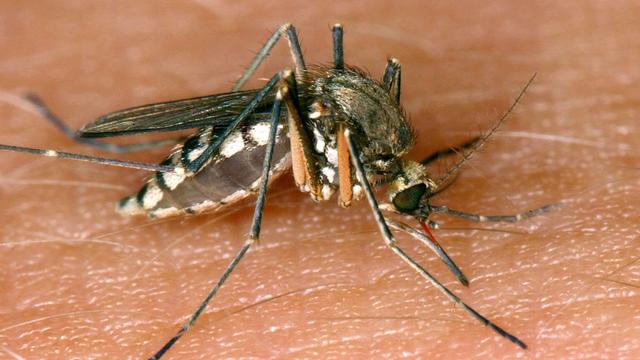
The virus is primarily transmitted between mosquitoes and birds, with infected mosquitoes posing a risk to humans, particularly between July and September. The RKI notes that most infected individuals do not show symptoms, suggesting a high number of unreported cases. Approximately one-fifth of those infected develop flu-like symptoms within 2 to 14 days, and in severe instances, neurological conditions like encephalitis and meningitis can occur.
The number of cases typically increases significantly in the summer.
Despite the rise in cases, the WHO Regional Office for Europe in Copenhagen stresses that the risk of severe illness remains low for the majority of people. However, the organization warns that longer and hotter summers enhance the possibility of transmission. Individuals experiencing high fever, skin rash, or a stiff neck are advised to seek immediate medical attention and to use protective measures like clothing and insect repellent when traveling.
The risk of severe illness is low for most people.
DistantNews Editorial
Originally published by Die Zeit in German. Translated, summarized, and contextualized by our editorial team with added local perspective. Read our editorial standards.
More Stories



From Our Blog

What Gets Lost (and Found) When News Is Translated

How the Same Story Looks Different in Different Countries

The Critical Role of Diaspora Media in Global News

What Travellers Should Know About Countries with Restricted Press

A Digital Nomad's Guide to Following Local News
