


Carrasco and Punta Gorda residents denounce ‘daily insecurity’: robberies, harassment, and death threats
Translated from Spanish, summarized and contextualized by DistantNews.
At a glance
News
Named sources
New plan
- Residents of Carrasco and Punta Gorda in Uruguay are protesting rising crime, including robberies and threats.
- They have written to the Interior Ministry expressing concern over public safety and demanding more police presence.
- The residents are also frustrated with the response from social development agencies regarding homeless individuals in public spaces.
Organized residents from Carrasco and Punta Gorda, Uruguay, have penned a letter to the Ministry of Interior's Directorate General of Citizen Security and Coexistence, voicing deep concern over escalating crime in their neighborhoods. The letter highlights an "unsustainable" rise in street robberies and assaults, directly impacting the daily safety and peace of residents. The community is actively gathering signatures for their petition, which calls for increased police presence in the area.
The robberies and assaults in the public street have become an unsustainable situation that directly affects daily safety and tranquility.
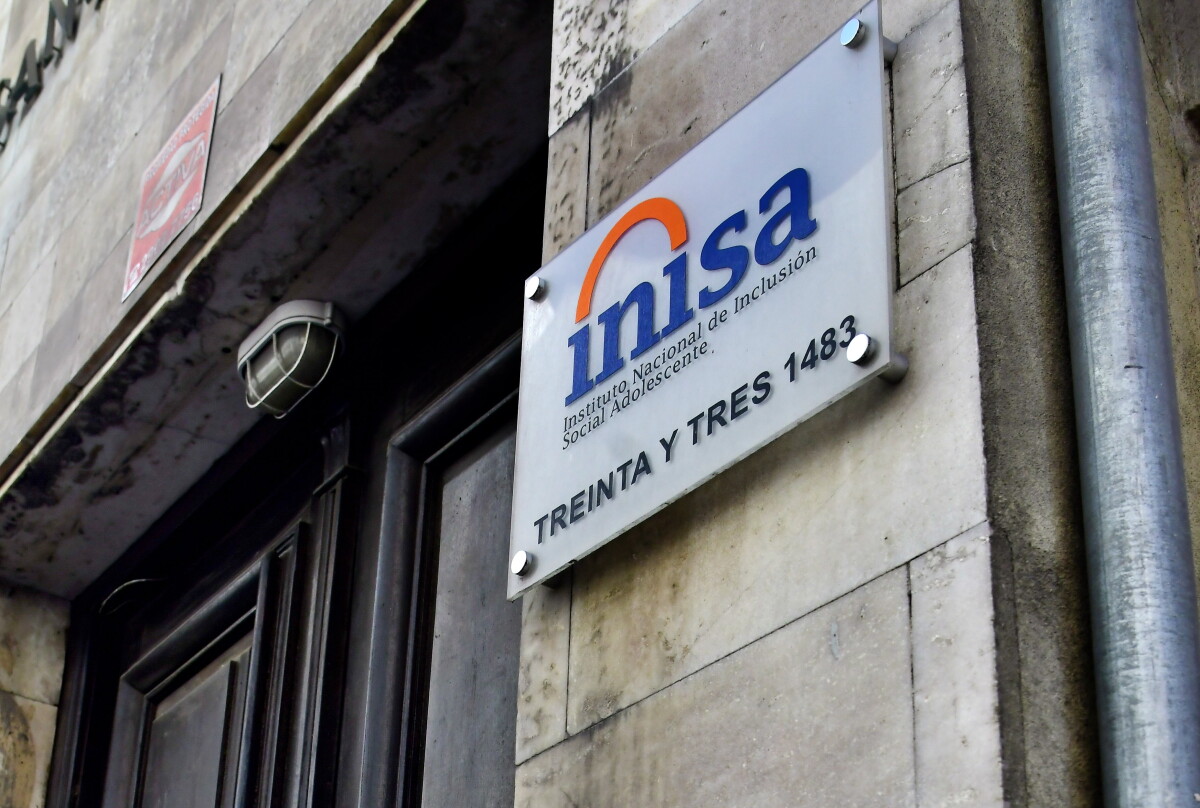
The residents cite a lack of effective solutions from both the Ministry of Social Development (Mides) and the Ministry of Interior as a primary trigger for their organized action. They describe receiving evasive responses from Mides regarding homeless individuals, often citing difficulties in interviewing or locating them, even when they are visibly present. This perceived inaction has pushed the community to unite and demand coordinated, real responses.
We notice a pattern in their responses: they answer us the next day alleging that the person did not agree to be interviewed or that they could not locate them, even when they are installed with tents in the place.
According to residents, they live in a state of "daily insecurity," with criminals targeting vulnerable individuals, such as elderly women, and robbing them of their belongings. A particularly alarming incident involved a neighbor being pursued, harassed, and ultimately threatened with death outside her home. A group of neighbors accompanied her to file a report. Residents also report issues with individuals experiencing homelessness in public squares, including public urination and unsanitary conditions, which they say affects families and children.
They generally choose people they see as most vulnerable, ladies with canes, people they perceive as 'easy' to attack; they knock them to the ground and rob them.
Further incidents include a man chasing a 12-year-old girl, who managed to escape and alert her father. When the father confronted the man, he allegedly brandished a weapon. The family has filed a police report. Local businesses are displaying the petition forms for residents to sign before they are submitted to the Ministry of Interior. The mayor of the E municipality confirmed meetings with the organized residents and acknowledged their efforts to engage with national legislators.
The most serious case, they explain, occurred near Rivera and Limburgo, when a neighbor was pursued, harassed, and finally threatened with death at her home.
DistantNews Editorial
Originally published by El País in Spanish. Translated, summarized, and contextualized by our editorial team with added local perspective. Read our editorial standards.
More Stories


From Our Blog

What Gets Lost (and Found) When News Is Translated

The Critical Role of Diaspora Media in Global News

What Travellers Should Know About Countries with Restricted Press

A Digital Nomad's Guide to Following Local News

How the Same Story Looks Different in Different Countries
