

Cartagena Brings Power Plant to Isla Grande to Overcome Energy Crisis
Translated from Spanish, summarized and contextualized by DistantNews.
At a glance
News
Official statement
Outcome reported
- Cartagena's Mayor's Office delivered and installed an emergency power plant on Isla Grande.
- The community, which relies on tourism, suffered over 17 days without electricity due to grid failures.
- The new plant aims to restore electrical security and support the local economy after a previous solar project failed.
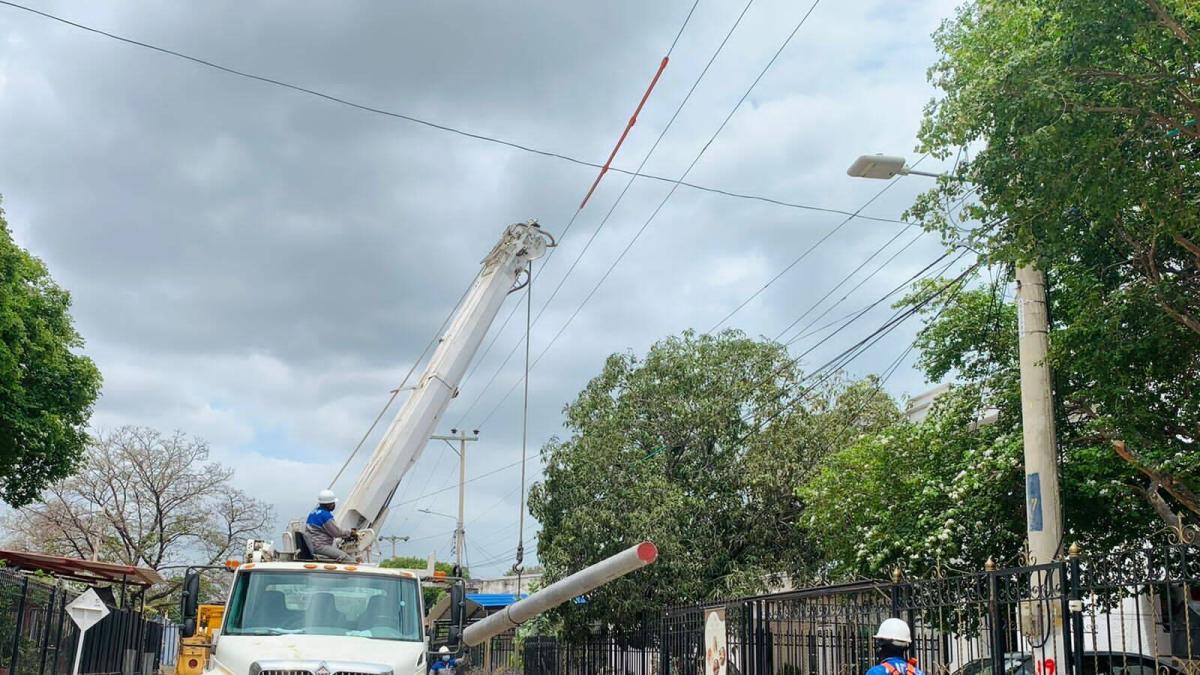
Cartagena's Mayor's Office has officially delivered and installed a promised power plant on Isla Grande, an emergency measure to restore immediate electrical security to the community. The installation followed a significant maritime logistical deployment.
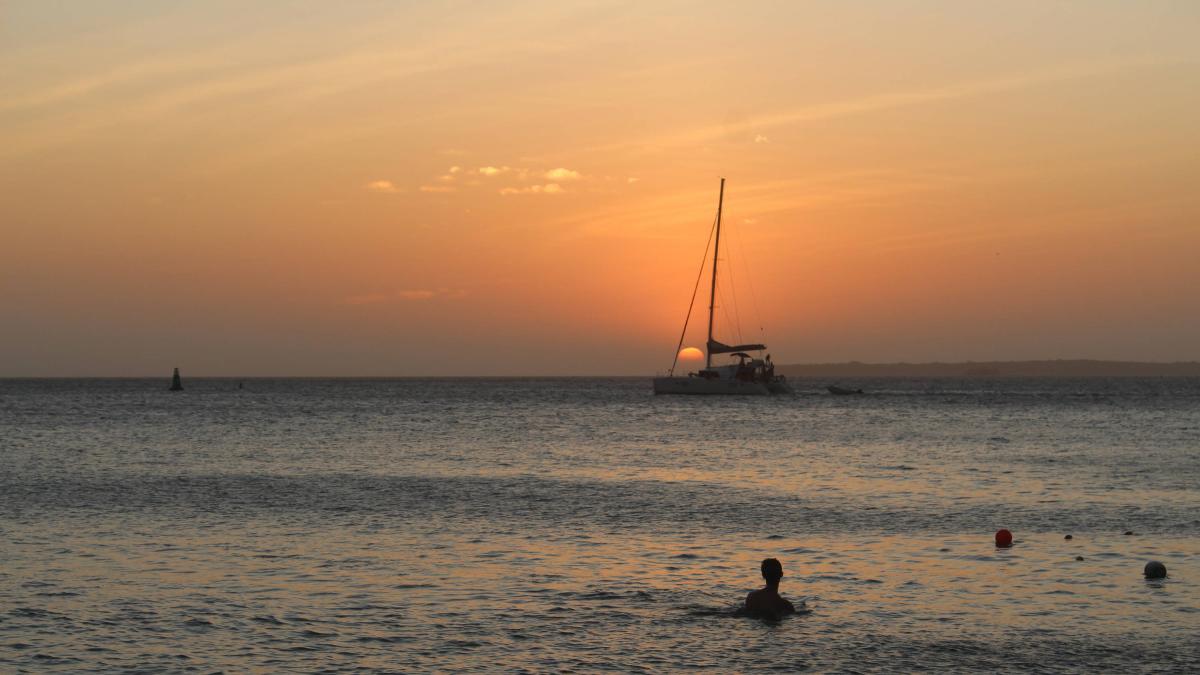
Isla Grande, the most populated island in the Rosario Islands archipelago, heavily relies on tourism for its economy. The community endured a severe crisis, experiencing more than 17 days and four consecutive nights without electricity. This prolonged blackout paralyzed daily life, disrupted schooling, spoiled food, and temporarily crippled the economy of hostels and ecotourism businesses.
The urgency for the district project stems from a hidden humanitarian and economic crisis caused by structural failures in local grids. Months prior, the national government had inaugurated a photovoltaic system (solar panels) intended to provide energy independence. However, operational difficulties, a lack of specialized maintenance, and battery storage limitations led to its collapse.
Mayor Dumek Turbay Paz emphasized the commitment to the community, stating, "When we were on Isla Grande, we made a commitment to the community, and today we are fulfilling it. We said the plant would arrive in a few days, and it is here. Our purpose is that the inhabitants no longer suffer the consequences of being without power for entire days and have the peace of mind of having a backup system that responds to any contingency."
The district's investment of 300 million pesos aims for an immediate solution, addressing the failures that affected basic services for young children and the local health post. The previous solar system's failure left homes in darkness, highlighting the challenges of energy transition models in remote rural areas.
When we were on Isla Grande, we made a commitment to the community, and today we are fulfilling it. We said the plant would arrive in a few days, and it is here. Our purpose is that the inhabitants no longer suffer the consequences of being without power for entire days and have the peace of mind of having a backup system that responds to any contingency.
DistantNews Editorial
Originally published by El Tiempo in Spanish. Translated, summarized, and contextualized by our editorial team with added local perspective. Read our editorial standards.
More Stories

From Our Blog

What Gets Lost (and Found) When News Is Translated

The Critical Role of Diaspora Media in Global News

What Travellers Should Know About Countries with Restricted Press

A Digital Nomad's Guide to Following Local News

How the Same Story Looks Different in Different Countries
