

Cash Demand Scores a Goal in World Cup 2026; Circulation of Bills and Coins Increased
Translated from Spanish, summarized and contextualized by DistantNews.
At a glance
News
Documents & data
Context piece
- Cash demand increased during four of the six weeks of the 2026 FIFA World Cup in Mexico, despite the rise in card payments.
- The Bank of Mexico reported a significant increase in currency circulation during the initial weeks of the tournament, particularly when the Mexican national team secured victories.
- Despite Mexico's eventual loss, cash circulation continued to rise in the weeks leading up to and following the final, indicating sustained demand for physical currency.
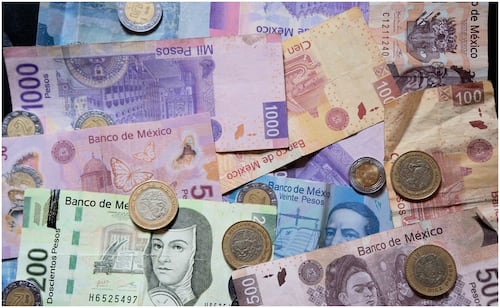
The 2026 FIFA World Cup in Mexico saw a notable surge in demand for physical cash, even as debit and credit card usage contributed to private consumption. Data from the Bank of Mexico (Banxico) reveals that currency circulation increased during four of the six weeks the tournament spanned.
During the opening week, which included Mexico's 2-0 victory over South Africa, the central bank recorded an increase of 3.761 billion pesos in cash demand. Subsequent weeks, marked by Mexico's wins against South Korea and Czechia, saw a reduction in the monetary base. However, demand for physical currency rebounded significantly by July 3, with a positive variation of 14.102 billion pesos, coinciding with Mexico's 2-0 win against Ecuador.
This uptick in cash usage reflected the public's enthusiasm during the tournament. Even after Mexico's first loss, a 2-3 defeat to England, currency circulation continued its upward trend. In the week ending July 10, cash demand rose by 9.732 billion pesos, and by July 17, it had increased by another 13.882 billion pesos, just two days before the tournament's closing.
Overall, during the entire 2026 FIFA World Cup, the demand for money experienced an average annual increase of 7.5%. This sustained rise in cash circulation highlights the continued importance of physical currency as a medium of payment, even in an era of increasing digital transactions.
DistantNews Editorial
Originally published by El Universal in Spanish. Translated, summarized, and contextualized by our editorial team with added local perspective. Read our editorial standards.
More Stories
From Our Blog

What Press Freedom Means for the News You Read

What Gets Lost (and Found) When News Is Translated

The Critical Role of Diaspora Media in Global News

What Travellers Should Know About Countries with Restricted Press

A Digital Nomad's Guide to Following Local News
