

CDU Politicians Warn Against Cooperation with AfD Ahead of Eastern Elections
Translated from German, summarized and contextualized by DistantNews.
At a glance
News
Named sources
Context piece
- Leading CDU politicians are warning against any cooperation with the far-right AfD party ahead of eastern German state elections.
- They argue that collaborating with the AfD would be detrimental to the CDU's identity and future.
- The CDU's party congress has officially banned coalitions with both the Left party and the AfD, but upcoming election results could create pressure.
Prominent figures within Germany's Christian Democratic Union (CDU) are issuing stark warnings against any form of collaboration with the Alternative for Germany (AfD) party. This stance comes as the CDU faces crucial state elections in eastern Germany this September.
I can only warn against cooperating with the AfD in any form.
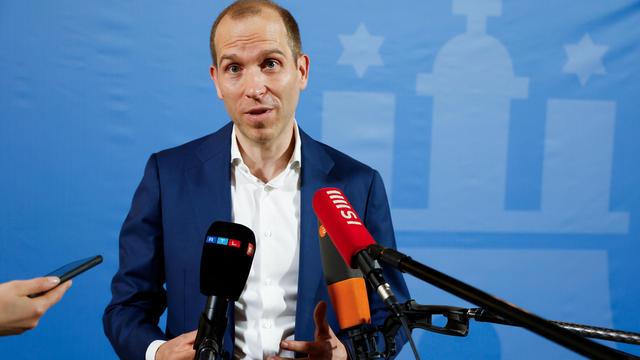
Dennis Radtke, chairman of the party's labor wing, told the Frankfurter Allgemeine Sonntagszeitung that "the moment the CDU reaches out to the AfD, it is broken." Hamburg CDU chairman Dennis Thering echoed these sentiments, cautioning against "cooperating with the AfD in any form." Thering predicts "massive disruptions" within the CDU should a partnership emerge after the elections, stating, "That would be the beginning of the end."
That would be the beginning of the end.
These warnings underscore the CDU's official party congress resolution, which prohibits coalitions and similar cooperative measures with both the Left party and the AfD. However, the political landscape in states like Saxony-Anhalt and Mecklenburg-Vorpommern, where the AfD currently leads in polls, could place significant pressure on CDU state chapters to reconsider their position. NRW Interior Minister Herbert Reul declared the AfD and its ideology "the greatest danger to our democracy," emphasizing a firm stance against any compromise. He stated, "There is only one position: against it. Anyone who weakens that can continue without me."
The AfD and its ideology are the greatest danger to our democracy.
DistantNews Editorial
Originally published by Die Zeit in German. Translated, summarized, and contextualized by our editorial team with added local perspective. Read our editorial standards.
More Stories
From Our Blog

What Gets Lost (and Found) When News Is Translated

How the Same Story Looks Different in Different Countries

The Critical Role of Diaspora Media in Global News

What Travellers Should Know About Countries with Restricted Press

A Digital Nomad's Guide to Following Local News
