


CEP researcher: People no longer bet on long-term reforms, but on radical offers
Translated from Spanish and summarized by DistantNews. Read the original for the full story.
At a glance
Interview
Named sources
Context piece
- Sociologist Aldo Mascareño said Chile’s democracy has moved away from the center of the country’s political architecture, particularly after the constitutional processes.
- He described the result as “unstable stability,” with voters turning toward radical proposals such as militarization and advancing liberalism.
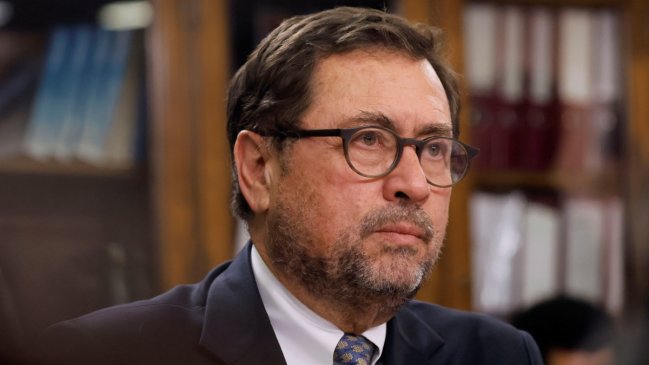
Aldo Mascareño, a sociologist, academic and researcher at Chile’s Public Studies Center, said democracy has moved away from “the center of the country’s political architecture” in recent years, especially after the constitutional processes.
The center of the country’s political architecture.
Speaking about his book, “The Post-Democratic Condition in Chile: Politics on the Edge of Collapse,” written with Juan Rozas, Mascareño argued that institutions “have not delivered what we expected them to deliver.”
Institutions have not delivered what we expected them to deliver.
He described the resulting situation as “unstable stability,” saying that people no longer place their hopes in long-term reforms. Instead, he said, they are turning toward radical proposals, including militarization and the advance of liberalism.
Unstable stability.
About this summary
Originally published by Cooperativa in Spanish. Translated, summarized, and contextualized automatically by DistantNews, with a note on how the source frames the story. Not individually reviewed before publishing. How this works.
More Stories


From Our Blog

News in Translation: What Gets Lost, and How We Keep the Framing

Diaspora Media: How Communities Follow News From Home

Traveling Where the Press Is Not Free: How to Read the News There

The Digital Nomad's Guide to Local News

The Same Story, Different Countries: How Coverage Changes at the Border
