

Ceuta crisis sharpens EU border protection debate
Translated from German, summarized and contextualized by DistantNews.
At a glance
News
From a news agency
Outcome reported
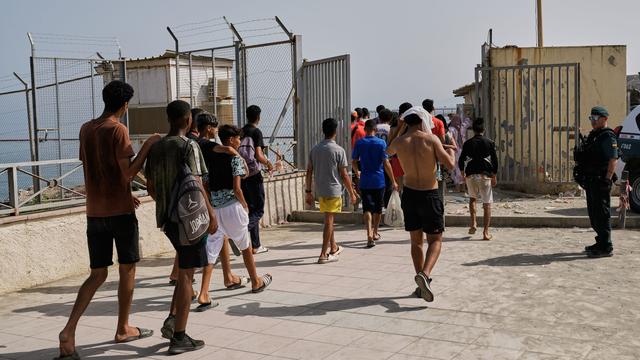
- EU interior ministers will discuss the crisis in Ceuta, where tens of thousands of migrants entered the Spanish enclave.
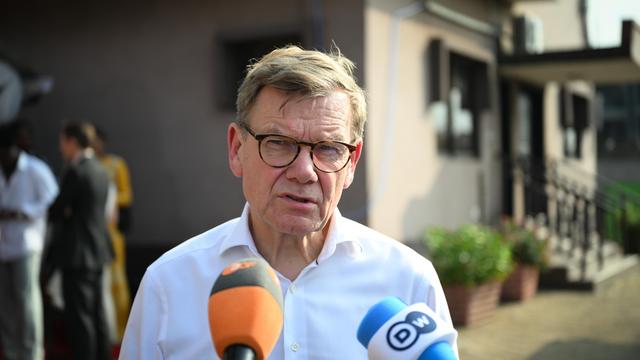
- German Foreign Minister Johann Wadephul emphasized the need for EU border protection and cooperation with non-EU countries like Morocco.
- Spain's Prime Minister Pedro Sánchez criticized some EU states' reactions, while the EU commissioner pledged support.
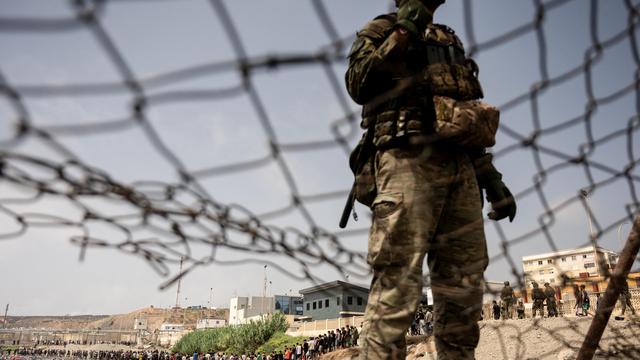
The European Union faces intensified debate over its external border security following a surge of tens of thousands of migrants into the Spanish enclave of Ceuta. German Foreign Minister Johann Wadephul stressed that the EU Commission must prioritize border protection to safeguard the Schengen area's open internal borders. He described the Ceuta situation as a "stress test" for Europe that was ultimately passed, highlighting the importance of cooperation with nations like Morocco to manage migration.
I therefore expect the EU Commission to give absolute priority to the protection of external borders, so as not to further endanger the Schengen system of open EU internal borders.
Spain and Morocco are credited with swiftly resolving the crisis, a development welcomed by Wadephul. EU interior ministers are scheduled to convene via video conference to address the situation, prompted by a joint letter from 22 leaders warning against uncontrolled border crossings and the "instrumentalization of migration." Signatories included German Chancellor Friedrich Merz and Italian Prime Minister Giorgia Meloni, whose government had temporarily suspended the Schengen Agreement with Spain.
The situation in Ceuta showed Europe's vulnerability and was an absolute stress test, which we passed.
Spanish Prime Minister Pedro Sánchez expressed frustration with some EU states' responses, attributing them to "prejudices, fake news, ignorance, or political interests." He pointed out that Ceuta is not part of the Schengen zone, meaning migrants entering it cannot easily proceed to other EU countries. The Spanish enclave is bordered by Morocco and the Mediterranean Sea.
To control illegal migration, we need partners outside Europe, as in this case Morocco.
EU Commissioner for Internal Affairs and Migration, Magnus Brunner, assured Spain of the EU's backing, stating that a "determined, swift, and united" European response is crucial when external borders are threatened. Even the new British Prime Minister, Andy Burnham, offered support to Spain, despite the UK not being part of the Schengen area.
When our external borders are threatened, the European response must be determined, quick, and united. Solidarity is key.
DistantNews Editorial
Originally published by Die Zeit in German. Translated, summarized, and contextualized by our editorial team with added local perspective. Read our editorial standards.
More Stories
From Our Blog

What Gets Lost (and Found) When News Is Translated

How the Same Story Looks Different in Different Countries

The Critical Role of Diaspora Media in Global News

What Travellers Should Know About Countries with Restricted Press

A Digital Nomad's Guide to Following Local News
