


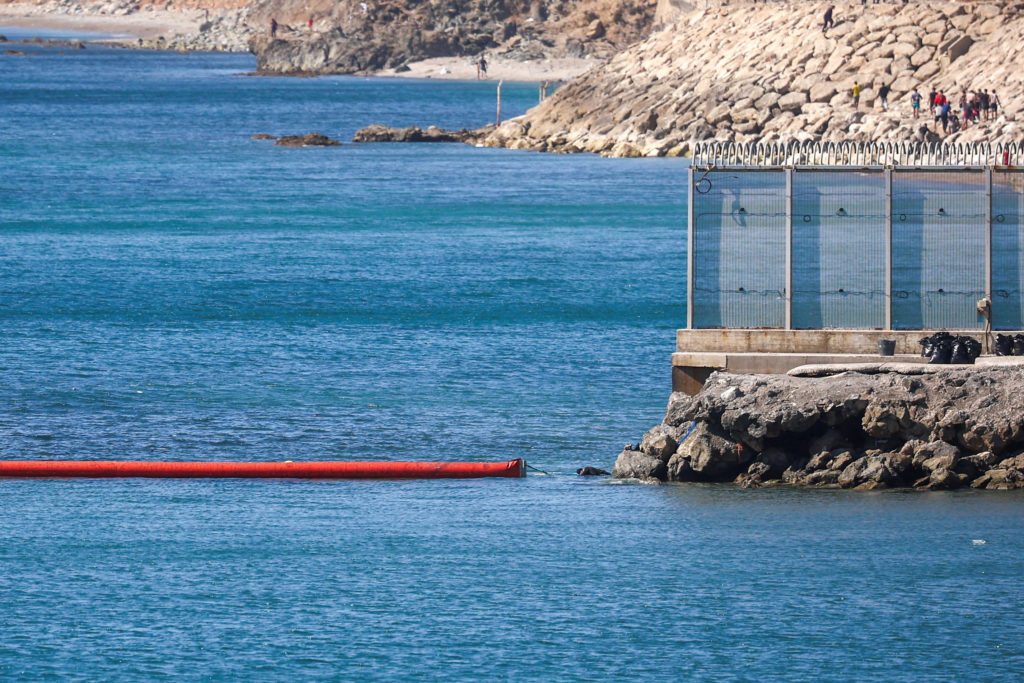
Ceuta grapples with aftermath of border surge after most migrants leave for Morocco
Translated from English, summarized and contextualized by DistantNews.
At a glance
News
From a news agency
Outcome reported
- Most of the approximately 60,000 migrants who entered Ceuta, Spain, over the weekend have returned to Morocco, leaving the city to grapple with the aftermath of the surge.
- Spanish authorities continue to search for bodies in the waters near the border, with at least 72 migrant deaths reported due to drowning and stampedes.
- The influx has reignited Europe's immigration debate, with local residents and politicians divided on the causes and responsibilities, while far-right figures have drawn counterprotests.
Ceuta, a small Spanish exclave in North Africa, is slowly returning to normalcy after a massive influx of migrants, but residents remain unsettled by the week's events. By Sunday, most of the estimated 60,000 people who had crossed into the territory had returned to Morocco, though some remained in the surrounding hills.
It's not the young men's fault. If you open the border, of course everyone comes in, but the young men aren't to blame. The authorities are responsible.
Spanish civil guard ships were still scouring the waters near the urban beach where tens of thousands of migrants had breached the border days earlier. Authorities reported at least 72 migrant deaths, including those who drowned and others killed in a stampede while trying to cross a breakwater. The humanitarian crisis has intensified the ongoing debate about immigration in Europe and beyond.
Local sentiment in Ceuta is divided. Some, like waiter Mohamad Abdelkader Driss, 44, place blame on authorities for opening the border, stating, "If you open the border, of course everyone comes in, but the young men aren't to blame. The authorities are responsible." Others who returned to Morocco described a border that seemed open, with authorities largely inactive as thousands crossed.
It could have been much worse.
The surge, which saw between 50,000 and 60,000 mostly young men arrive, temporarily more than doubled Ceuta's population. While Abdelkader noted that those who entered behaved relatively well, the event has fueled political tensions. Far-right politicians and influencers visited the city, calling for the expulsion of remaining migrants, which sparked counterprotests from Ceuta's large Muslim population, many of Moroccan descent. One such politician, Alvise Pérez, had to be escorted away by police after facing an angry crowd.
They just
DistantNews Editorial
Originally published by PBS NewsHour in English. Translated, summarized, and contextualized by our editorial team with added local perspective. Read our editorial standards.
More Stories

From Our Blog

How the Same Story Looks Different in Different Countries

What Gets Lost (and Found) When News Is Translated

The Critical Role of Diaspora Media in Global News

What Travellers Should Know About Countries with Restricted Press

A Digital Nomad's Guide to Following Local News
