

Ceuta grapples with aftermath of border surge after most migrants leave Spanish territory
Translated from English, summarized and contextualized by DistantNews.
At a glance
News
Sources not specified
Outcome reported
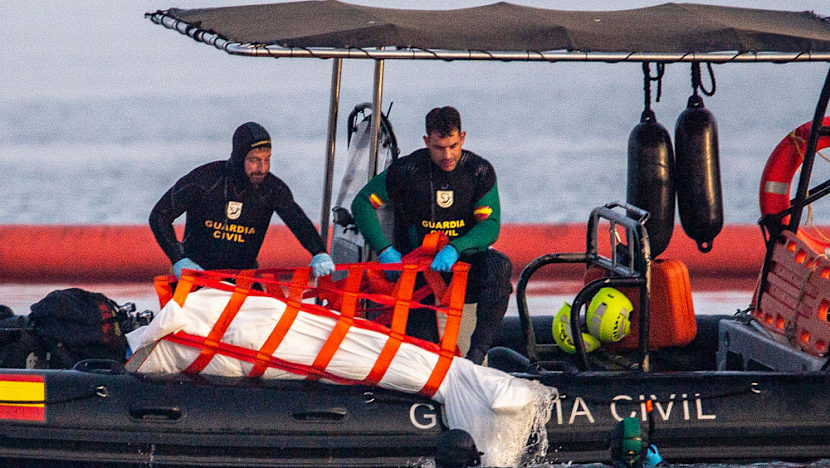
- Spanish authorities are searching for migrant bodies in the waters near Ceuta after tens of thousands crossed into the Spanish enclave from Morocco.
- Most of the 60,000 migrants who entered Ceuta have returned to Morocco, but the humanitarian crisis has reignited Europe's immigration debate.
- Locals and politicians are divided on the causes of the surge, with far-right figures calling for expulsions and counterprotests erupting.
Ceuta, a Spanish enclave in North Africa, is grappling with the aftermath of a massive surge of migrants who entered the territory this week. While most of the estimated 60,000 individuals who swam, scrambled, and charged into the city have since returned to Morocco, Spanish civil guard ships continue to search for bodies in the waters off the coast. The city, which prides itself on its multicultural identity, is slowly returning to normal, with shops reopening and residents filling cafes. However, the events have left a lasting impact, sparking debate among locals about the causes and blame for the border breach.
The humanitarian crisis, which saw at least 72 migrants die from drowning or stampedes, has reignited discussions about immigration policies across Europe. Some residents, like waiter Mohamad Abdelkader Driss, believe authorities bear responsibility for the situation. "If you open the border, of course everyone comes in, but the young men aren't to blame," he stated, suggesting that the authorities' actions or inactions facilitated the crossings.
It's not the young men's fault. If you open the border, of course everyone comes in, but the young men aren't to blame. The authorities are responsible.
Migrants who made the perilous journey described a border that was effectively open, with little intervention from authorities as thousands crossed. The sudden influx of mostly young men temporarily swelled Ceuta's population by over half. Despite the chaos, Abdelkader noted that the migrants who entered behaved "relatively well," adding, "It could have been much worse."
Far-right politicians and anti-immigrant influencers have descended on Ceuta, calling for the expulsion of remaining migrants. These calls have led to counterprotests, particularly from the city's large Muslim population, many of whom are of Moroccan descent. Alvise Pérez, a member of the European Parliament, faced an angry crowd and required police escort after demanding expulsions. Ceuta resident and student Noor Ahmed was among those denouncing the far-right presence.
It could have been much worse.
DistantNews Editorial
Originally published by CNA in English. Translated, summarized, and contextualized by our editorial team with added local perspective. Read our editorial standards.
More Stories


From Our Blog

What Gets Lost (and Found) When News Is Translated

The Critical Role of Diaspora Media in Global News

What Travellers Should Know About Countries with Restricted Press

A Digital Nomad's Guide to Following Local News

How the Same Story Looks Different in Different Countries
