


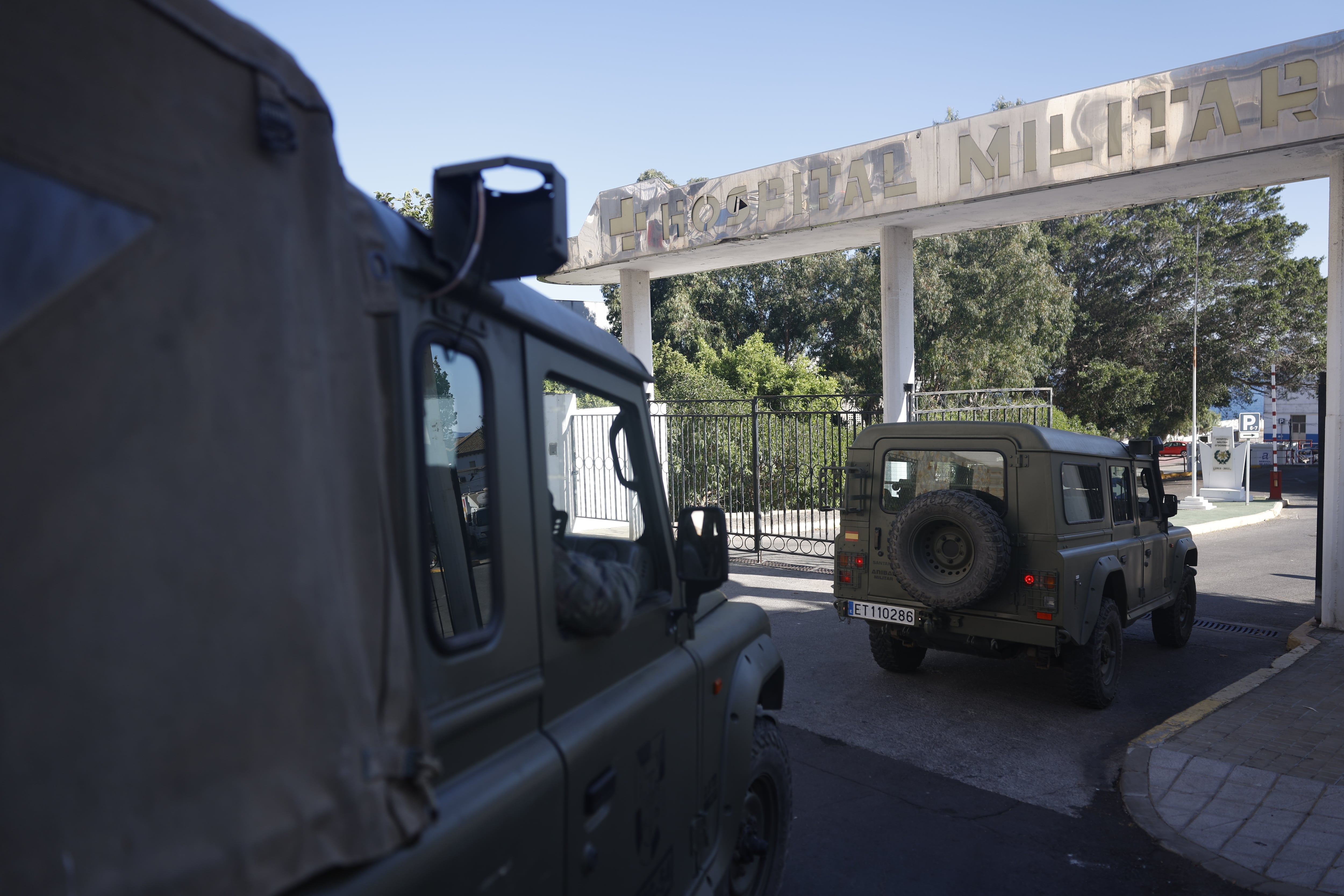
Ceuta morgue fills with bodies of migrants lost at sea
Translated from Spanish, summarized and contextualized by DistantNews.
At a glance
News
Sources not specified
Context piece
- A makeshift morgue in Ceuta continues to receive bodies of migrants who died attempting to cross the border from Morocco.
- Official figures report 72 deaths, while the autonomous city government counts 88 victims, with many being adolescents.
- Authorities are recovering bodies from the sea and identifying victims, some of whom died weeks ago during desperate attempts to reach Spain.
A makeshift morgue established in Ceuta's former military hospital is overflowing with the bodies of migrants who perished trying to cross the border from Morocco. The facility, equipped to hold up to 200 bodies, has become a grim testament to the perilous journey many undertake.
Official figures from the Spanish government state 72 deaths, but the autonomous city government of Ceuta, led by Juan Vivas, has recorded 88 fatalities. Among the deceased are many adolescents, some women, and individuals of Moroccan and Sub-Saharan origin. The bodies are being recovered from the sea by the Guardia Civil and Moroccan authorities, with some showing signs of deterioration due to prolonged submersion.
Many of these desperate crossings occurred during a massive influx on Thursday, when migrants were crushed in a stampede attempting to reach Spain. Others drowned or died during the arduous swim, with bodies washing ashore over several weeks. The morgue is currently closed to the public, with autopsies being conducted by forensic teams, Guardia Civil, and military personnel.
Despite the dangers, migrants continue to gather in nearby Fnideq, Morocco, waiting for opportunities to cross. Dense fog, known locally as 'taró,' often blankets the Tarajal border, encouraging attempts. Spanish authorities have recently deployed a 500-meter buoy rope and submerged netting to deter and repel migrants attempting to swim ashore, in line with a recent Supreme Court ruling. Several such pushbacks were reported on Sunday.
DistantNews Editorial
Originally published by El País in Spanish. Translated, summarized, and contextualized by our editorial team with added local perspective. Read our editorial standards.
More Stories


From Our Blog

What Gets Lost (and Found) When News Is Translated

The Critical Role of Diaspora Media in Global News

What Travellers Should Know About Countries with Restricted Press

A Digital Nomad's Guide to Following Local News

How the Same Story Looks Different in Different Countries
