


Ceuta's Historical Identity Tested by Moroccan Pressure and Border Concerns
Translated from Spanish, summarized and contextualized by DistantNews.
At a glance
Analysis
Sources not specified
Context piece
- Ceuta's historical ties to Spain predate Morocco's existence, a fact emphasized by locals amid current geopolitical tensions.
- Residents express frustration over Spain's perceived lack of foresight in securing the maritime border, which has seen a significant increase in Moroccan arrivals.
- The article suggests Spain's recent diplomatic overtures to Algeria may have provoked Morocco, alongside Morocco's strengthened international standing and internal dynamics influencing its actions.
Ceuta, a Spanish city with a history stretching back centuries, finds itself at the center of renewed geopolitical friction with Morocco. Ricardo Lacasa, a chronicler of Ceuta, emphasizes the city's deep Iberian roots, noting it was Portuguese in 1415 and Spanish since 1640, long before Morocco existed as a state in 1956. This historical context is central to the identity of Ceutans, who assert their home was Spanish for six centuries before Morocco was even formed.
Ceuta has been Iberian since it existed. Portuguese since 1415, and Spanish since 1640. Morocco was created in 1956. So my Ceuta home was Spanish six hundred years before Morocco existed. It has never been a colony.
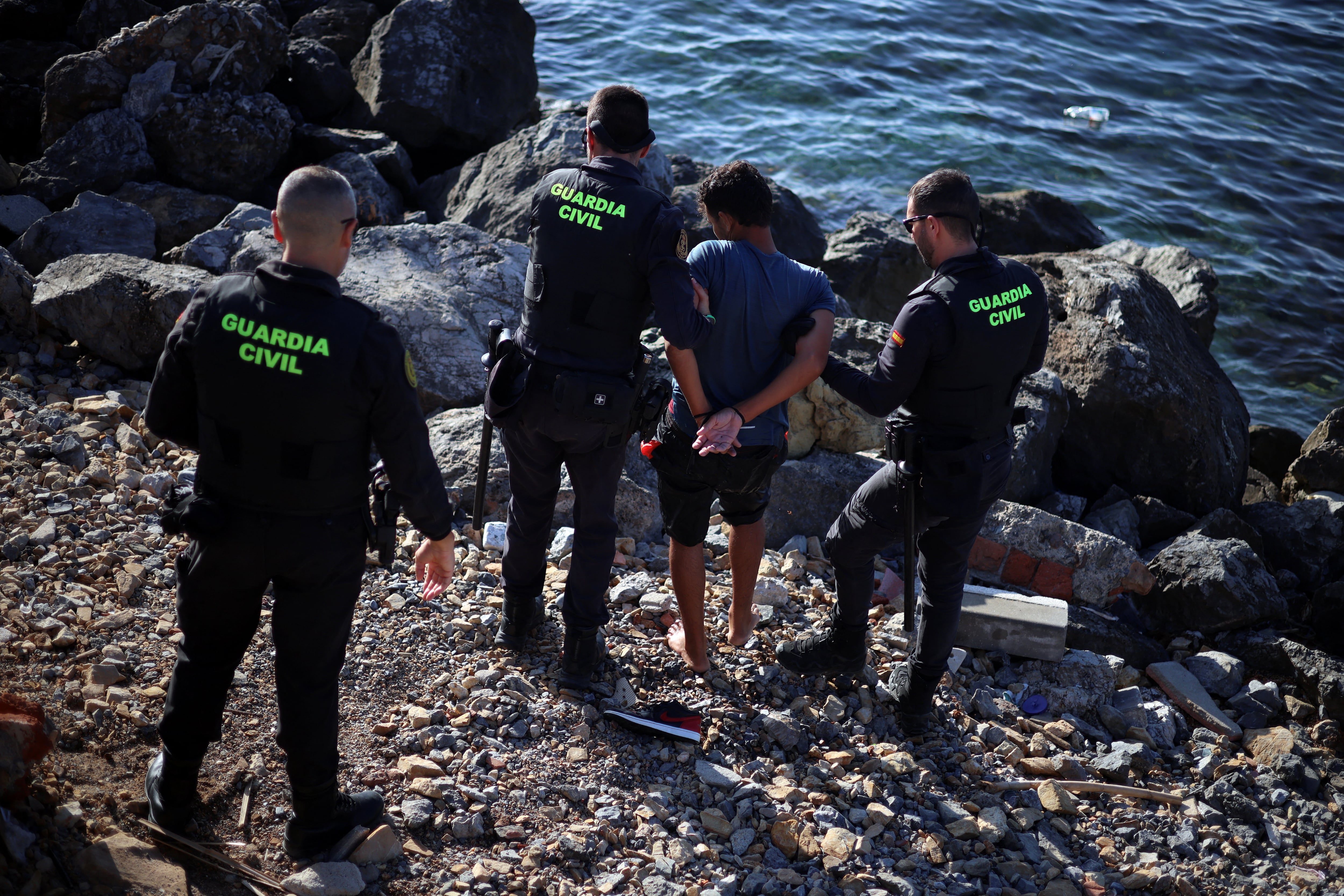
Despite being accustomed to geopolitical tensions, Ceutans are indignant about what they perceive as clumsy management of the current standoff with Rabat. Lacasa points to the porous maritime border, which has seen an influx of 60,000 Moroccans, a stark contrast to the 10,000 who arrived during a previous surge in 2021. The lack of foresight in securing this border, with only a short breakwater easily surmountable, has left residents feeling vulnerable and surprised by Morocco's capabilities.
In the border – he warns – Morocco rules today. Despite those 10,000 entries in 2021, it has not been secured by sea and now there have been 60,000. There is only a ten-meter long breakwater that is very easy to overcome. The people of Ceuta have again suffered from this lack of foresight.
The article posits that Spain's recent diplomatic shift towards Algeria may have been a trigger for Morocco's actions, serving as a message to Spanish President Sánchez. Morocco's growing confidence, bolstered by special relations with former U.S. President Trump and its role in the Abraham Accords, including recognition of the Western Sahara, further emboldens its stance. Additionally, internal factors within Morocco, such as economic disparities and the health of King Mohamed VI, are seen as contributing to a complex regional dynamic that could fuel instability.
The trigger may have been Spain's recent rapprochement with Algeria, he points out, or simply another demonstration by Morocco of what it can do in a very short time.
DistantNews Editorial
Originally published by La Vanguardia in Spanish. Translated, summarized, and contextualized by our editorial team with added local perspective. Read our editorial standards.
More Stories


From Our Blog

What Gets Lost (and Found) When News Is Translated

The Critical Role of Diaspora Media in Global News

What Travellers Should Know About Countries with Restricted Press

A Digital Nomad's Guide to Following Local News

How the Same Story Looks Different in Different Countries
