


Ceuta's Shores: Where Ancient Myths Meet Modern Migrant Tragedies
Translated from Spanish, summarized and contextualized by DistantNews.
At a glance
Analysis
Sources not specified
Context piece
- Over a hundred migrants drowned off the coast of Ceuta, their deaths highlighting the ongoing tragedy of irregular migration to Europe.
- The article draws parallels between ancient Greek myths of shipwrecks and modern-day drownings, criticizing the dehumanizing language used to describe migrants.
- It suggests political and geopolitical interests may be manipulating migrant flows to pressure Spain, while also noting the migrants' own dreams of a better life.
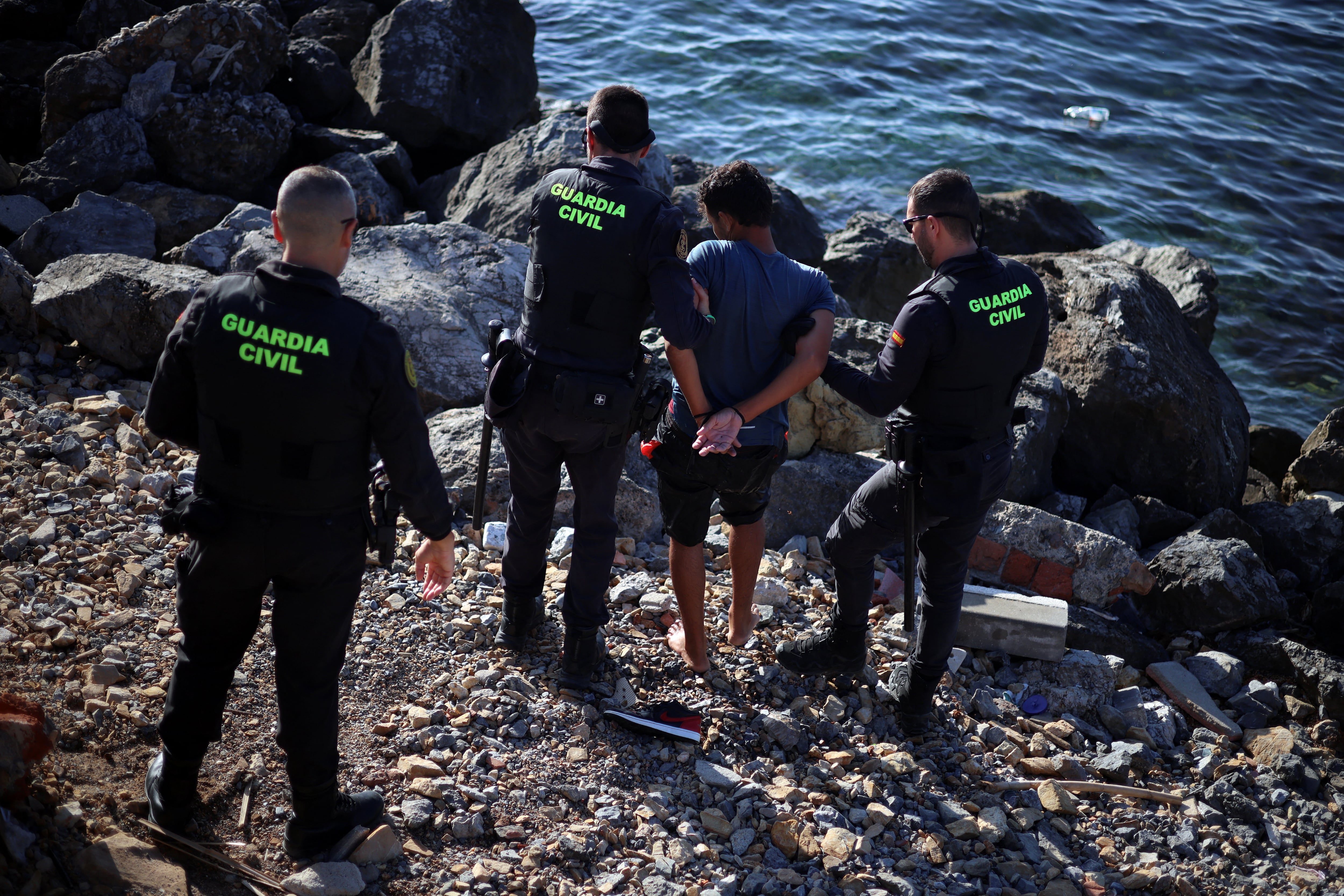
The waters off Ceuta have become a modern-day Mare Mortuum, a sea of death, where the drowned bodies of migrants mingle with the myths of ancient Greece. The author laments the callousness with which these deaths are often reported, referring to the victims as "carnal dross" or "anonymous mass." These individuals, seeking a dignified life, are reduced to statistics, their dreams of a home with a kitchen and beds for children ignored.
The deaths in our seas cross the myths of ancient Greek antiquity to become confused with the tragedies of current European events.
While acknowledging the potential for political manipulation by Moroccan authorities and geopolitical pressures from figures like Trump and Netanyahu, the article emphasizes that these migrants were not just numbers but people with aspirations. They were drawn by the allure of Europe, often depicted in media as a land of leisure, beaches, and vibrant cocktails – a stark contrast to their desperate reality.
We refer to the hundred dead off the coast of Ceuta as if they were dross, carnal garbage of an anonymous mass who, having violated the borders of Spain, had to retreat with their tails between their legs.
The tragedy unfolds against the backdrop of European summer holidays, with bathers enjoying the sun and sea just miles from where others met their end. The author invokes Homer's description of the sea, once tinted with wine, now stained with blood, underscoring the profound human cost of migration and the stark divide between those seeking refuge and those enjoying leisure.
A hundred corpses have shared the ‘sapore di sale’ with the bathers.
DistantNews Editorial
Originally published by La Vanguardia in Spanish. Translated, summarized, and contextualized by our editorial team with added local perspective. Read our editorial standards.
More Stories


From Our Blog

What Gets Lost (and Found) When News Is Translated

The Critical Role of Diaspora Media in Global News

What Travellers Should Know About Countries with Restricted Press

A Digital Nomad's Guide to Following Local News

How the Same Story Looks Different in Different Countries
