

CFA and UNICEF initiative supports over 6,000 children and caregivers with hurricane recovery efforts
Summarized and contextualized by DistantNews.
At a glance
News
Official statement
Outcome reported
- Over 6,000 children and caregivers in Jamaica received psychosocial support after Hurricane Melissa through a joint initiative by Children First Agency and UNICEF.
- The project provided child-friendly spaces, parenting sessions, and mobile mental health support to aid recovery from the storm's impact.
- Participants reported improved emotional well-being, resilience, and a greater sense of safety and hope.
In the seven months following Hurricane Melissa's devastation, a joint initiative by the Children First Agency (CFA) and UNICEF Jamaica has provided crucial psychosocial and parenting support to over 6,000 children and caregivers across St. Elizabeth, St. James, and Manchester. The "Child Protection Immediate Humanitarian Response" project reached 6,426 individuals through child-friendly spaces, parenting sessions, and mobile mental health services.
Mi stop nervous and start to feel happy inside. Mi get fi meet new friends and learn new words.
For many families, recovery extended beyond rebuilding homes; it involved restoring a sense of safety and hope. Debbie Harrison shared how her 11-year-old daughter, Teyana, who struggled with anxiety after the hurricane destroyed their home, found relief in the project's child-friendly spaces. "Mi stop nervous and start to feel happy inside. Mi get fi meet new friends and learn new words," Teyana said, defining resilience as "bouncing back from stress or challenges."
The sessions helped my children mentally and emotionally. After school they were able to have a little extra fun and talk about their feelings. They learned to express themselves more. They loved it.
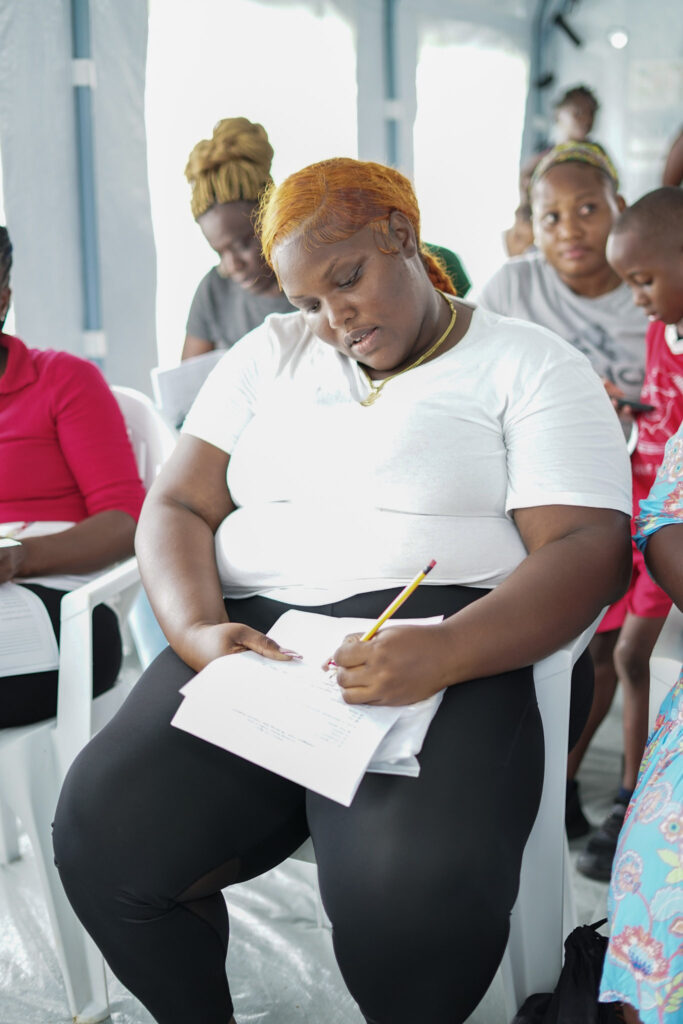
The project established 13 child-friendly spaces, offering safe environments for children to process their experiences through structured play, group activities, and psychosocial support. These sessions focused on emotional regulation, grief, stress management, and resilience-building. Kaydia Wright noticed a significant positive change in her twin children, who previously suffered from sleeplessness and fear after strong winds blew post-hurricane. "The sessions helped my children mentally and emotionally," Wright stated. "After school they were able to have a little extra fun and talk about their feelings. They learned to express themselves more. They loved it."
It’s the very good for the community. Parents accepted it because they could see the difference it was making for their children.
Recognizing the need to support caregivers, the initiative also included 15 parenting and caregiver sessions. These focused on parental stress, positive parenting, adolescent development, and child protection. Community representative Kishawn Laidlow noted the positive family response, highlighting that parents saw the tangible difference the program made for their children. "It’s the first time something like this is happening in this community. Parents accepted it because they could see the difference it was making for their children," she said.
It’s the first time something like this is happening in this community. Parents accepted it because they could see the difference it was making for their children.
DistantNews Editorial
Originally published by Jamaica Observer. Summarized and contextualized by our editorial team with added local perspective. Read our editorial standards.
More Stories



From Our Blog

What Gets Lost (and Found) When News Is Translated

The Critical Role of Diaspora Media in Global News

What Travellers Should Know About Countries with Restricted Press

A Digital Nomad's Guide to Following Local News

How the Same Story Looks Different in Different Countries
