


Chernobyl's exclusion zone sees wildlife thrive decades after evacuation
Translated from English, summarized and contextualized by DistantNews.
At a glance
In-depth
Sources not specified
Context piece
- In 1986, the Chernobyl Exclusion Zone was evacuated due to a nuclear disaster.
- Today, the absence of human activity has led to an unexpected recovery of wildlife, including a significant increase in grey wolf populations.
- Animals now move freely through forests and abandoned villages, adapting to the unique environment shaped by nature's reclamation.
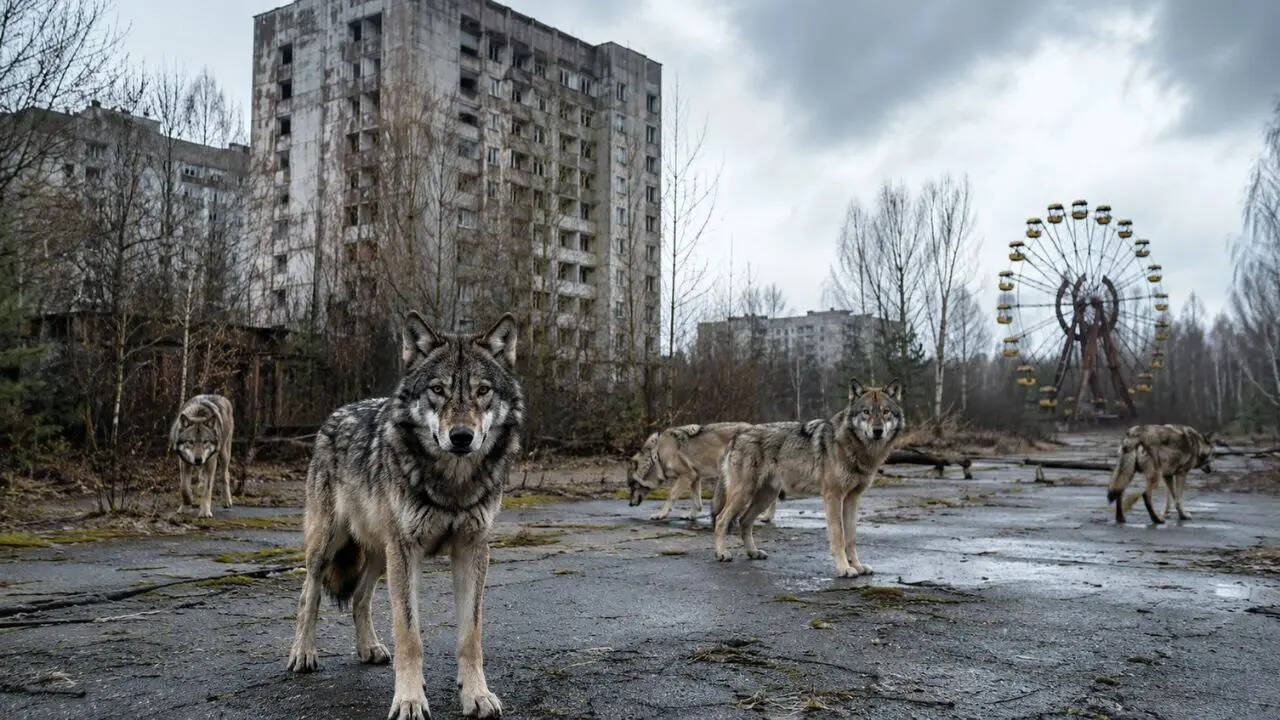
The Chernobyl Exclusion Zone, established after the 1986 disaster, presents a landscape of quiet stillness, where nature has begun to reclaim abandoned spaces. Roads have faded into grass, and buildings in Pripyat stand in silent repose, defining the area by its human absence.
However, this emptiness is paradoxically filled with activity. Wolves traverse the zone with unusual ease, deer graze in open areas, and the land has settled into a rhythm dictated by natural cycles rather than human interference. The evacuation in 1986 led to a rapid cessation of farming, road maintenance, and hunting, creating a unique environment.
Vegetation has returned unevenly, with pines growing thick in some areas while others remain open, influenced by soil and lingering radiation. The most striking change has been the significant increase in the grey wolf population within the zone. Studies suggest their numbers are higher than before the evacuation, not because the environment is ideal, but because the constant human disturbance has vanished.
Without hunting pressure, wolf packs have expanded their territories across forests and former farmlands. Camera traps and tracking studies show them moving through abandoned villages and following prey that has also returned in greater numbers. While exposed to elevated radiation levels, the animals' instincts and behaviors remain normal; they simply operate within a less restricted, more continuous territory.
DistantNews Editorial
Originally published by Times of India in English. Translated, summarized, and contextualized by our editorial team with added local perspective. Read our editorial standards.
More Stories


From Our Blog

What Press Freedom Means for the News You Read

What Gets Lost (and Found) When News Is Translated

The Critical Role of Diaspora Media in Global News

What Travellers Should Know About Countries with Restricted Press

A Digital Nomad's Guide to Following Local News
