


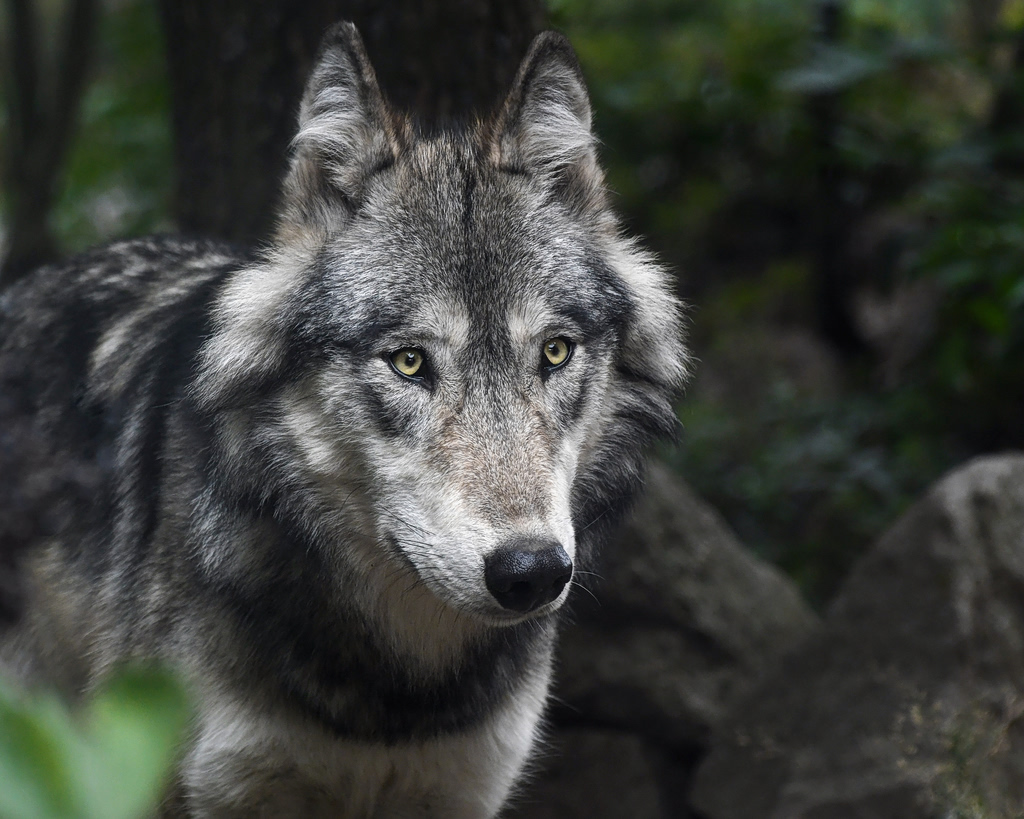
Chernobyl wolves show unexpected cancer resistance, scientists find
Translated from Greek, summarized and contextualized by DistantNews.
At a glance
In-depth
Sources not specified
Context piece
- Wolves living in the Chernobyl exclusion zone show genetic markers linked to increased cancer resistance.
- This unexpected finding emerged four decades after the nuclear disaster.
- Scientists are studying how life adapts under extreme environmental pressures.
Four decades after the Chernobyl nuclear disaster, an unexpected evolutionary story is unfolding among the gray wolves inhabiting the exclusion zone. These wolves exhibit genetic markers associated with heightened resistance to cancer, a finding that has captured significant interest within the scientific community. Researchers are keen to understand the mechanisms by which life adapts and thrives under such extreme environmental pressures. The 1986 explosion at Reactor 4 of the Chernobyl Nuclear Power Plant created a unique, albeit hazardous, environment. Despite the persistent radiation, wildlife, including wolves, has returned and adapted to the area. The discovery of these genetic adaptations in wolves offers a compelling case study for understanding resilience in the face of severe environmental challenges. Scientists hope this research could provide insights into cancer resistance and adaptation, potentially informing future studies on human health and environmental recovery.
DistantNews Editorial
Originally published by Ta Nea in Greek. Translated, summarized, and contextualized by our editorial team with added local perspective. Read our editorial standards.
More Stories


From Our Blog

What Gets Lost (and Found) When News Is Translated

The Critical Role of Diaspora Media in Global News

What Travellers Should Know About Countries with Restricted Press

A Digital Nomad's Guide to Following Local News

How the Same Story Looks Different in Different Countries
