


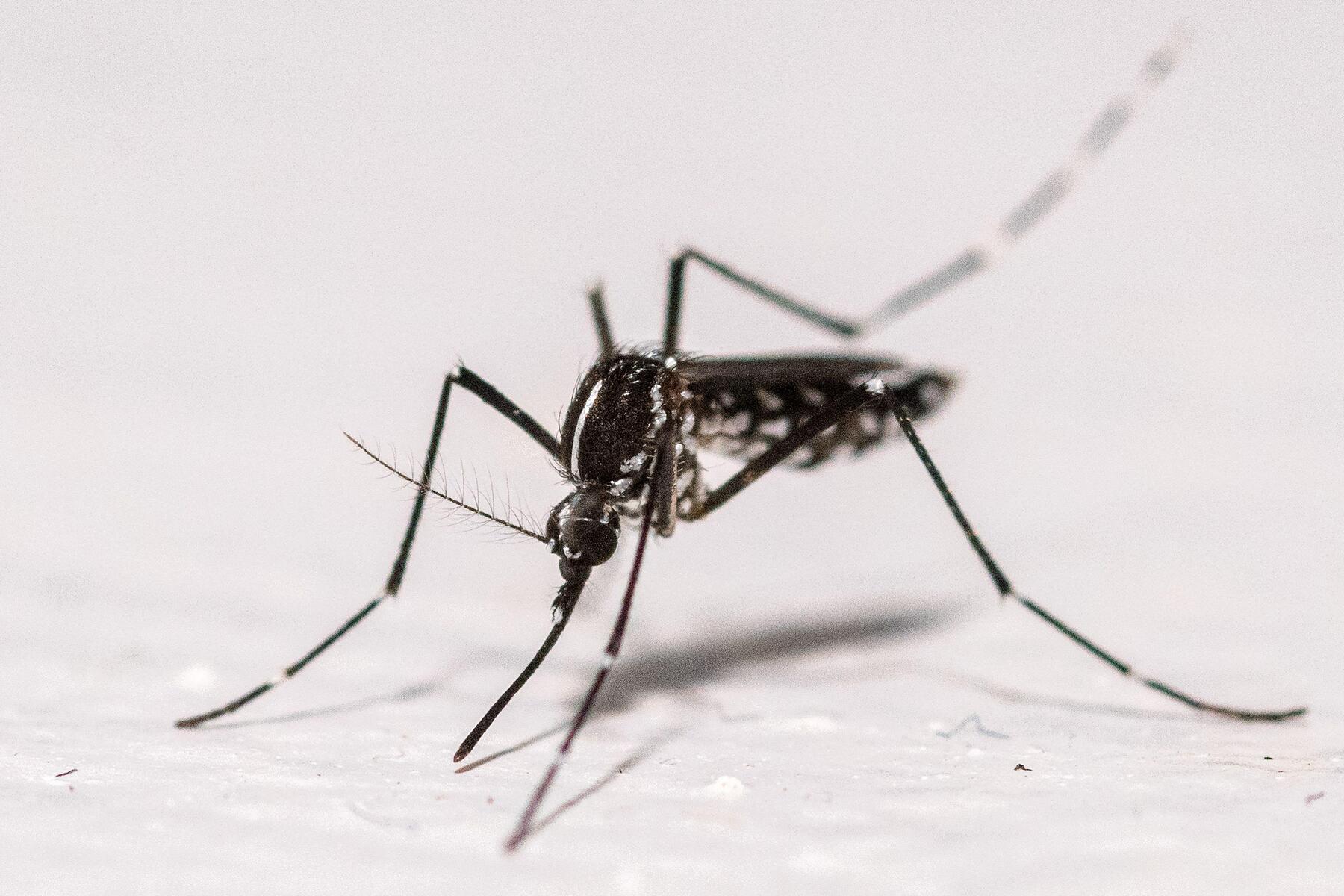
Chikungunya: Vaccines approved in Europe but not yet in Africa
Translated from German, summarized and contextualized by DistantNews.
At a glance
News
Named sources
Ongoing story
- A European-African research project is testing a Chikungunya vaccine in East Africa, as the virus spreads to Europe via the Asian tiger mosquito.
- Two vaccines are approved in Europe but not yet in Africa, where the disease is most needed.
- The project aims to assess the vaccine's efficacy, duration of protection, and safety, particularly in HIV-positive patients.
Chikungunya, a disease whose name translates to 'the bent-over walker' in the Makonde language of Tanzania, is increasingly becoming a concern beyond tropical regions. Characterized by debilitating joint and muscle pain that can last for months or years, the illness is being carried into Europe by the Asian tiger mosquito (Aedes albopictus), which is also expanding its presence in Austria, with Graz identified as a hotspot.
It is only a matter of time until local outbreaks also occur in Austria.
Virologist Gisa Gerold from the Medical University of Innsbruck is leading a significant EU-funded project, the 'European-African Vaccine Initiative.' This collaborative effort involves European and African research institutes working together to study a Chikungunya vaccine. While two vaccines have been approved for use in Europe, they are not yet available in Africa, where the disease poses a greater threat.
We want to contribute to making the Chikungunya vaccine available where it is most needed.
The core of the initiative is a clinical trial, funded with 14 million euros from the EU, that will test the vaccine IXCHIQ® for the first time in East Africa. "We want to contribute to making the Chikungunya vaccine available where it is most needed," stated Gerold. The study seeks to answer critical questions about the vaccine's effectiveness, the longevity of its protective effects, and whether it offers protection against related viruses circulating in East Africa, such as the O’nyong’nyong virus.
How long does the protection last? Does it also protect against related viruses circulating in East Africa, such as the O’nyong’nyong Virus? We are looking for answers to these questions.
Researchers are employing advanced methods, including analyzing the response of T-cells to the vaccine and using novel electron microscopy techniques to visualize antibody binding sites on the virus. A particular focus is placed on the safety and efficacy of the vaccine in HIV-positive patients with controlled viral loads, a group for whom the vaccine is not yet approved but who would be crucial to vaccinate in the event of a widespread outbreak. The project emphasizes the extensive experience of partner institutes in Kenya and Tanzania in conducting such studies.
The safety is paramount: Our partner institutes in Kenya and Tanzania are very experienced in conducting studies with...
DistantNews Editorial
Originally published by Die Presse in German. Translated, summarized, and contextualized by our editorial team with added local perspective. Read our editorial standards.
More Stories


From Our Blog

What Gets Lost (and Found) When News Is Translated

The Critical Role of Diaspora Media in Global News

What Travellers Should Know About Countries with Restricted Press

A Digital Nomad's Guide to Following Local News

How the Same Story Looks Different in Different Countries
