


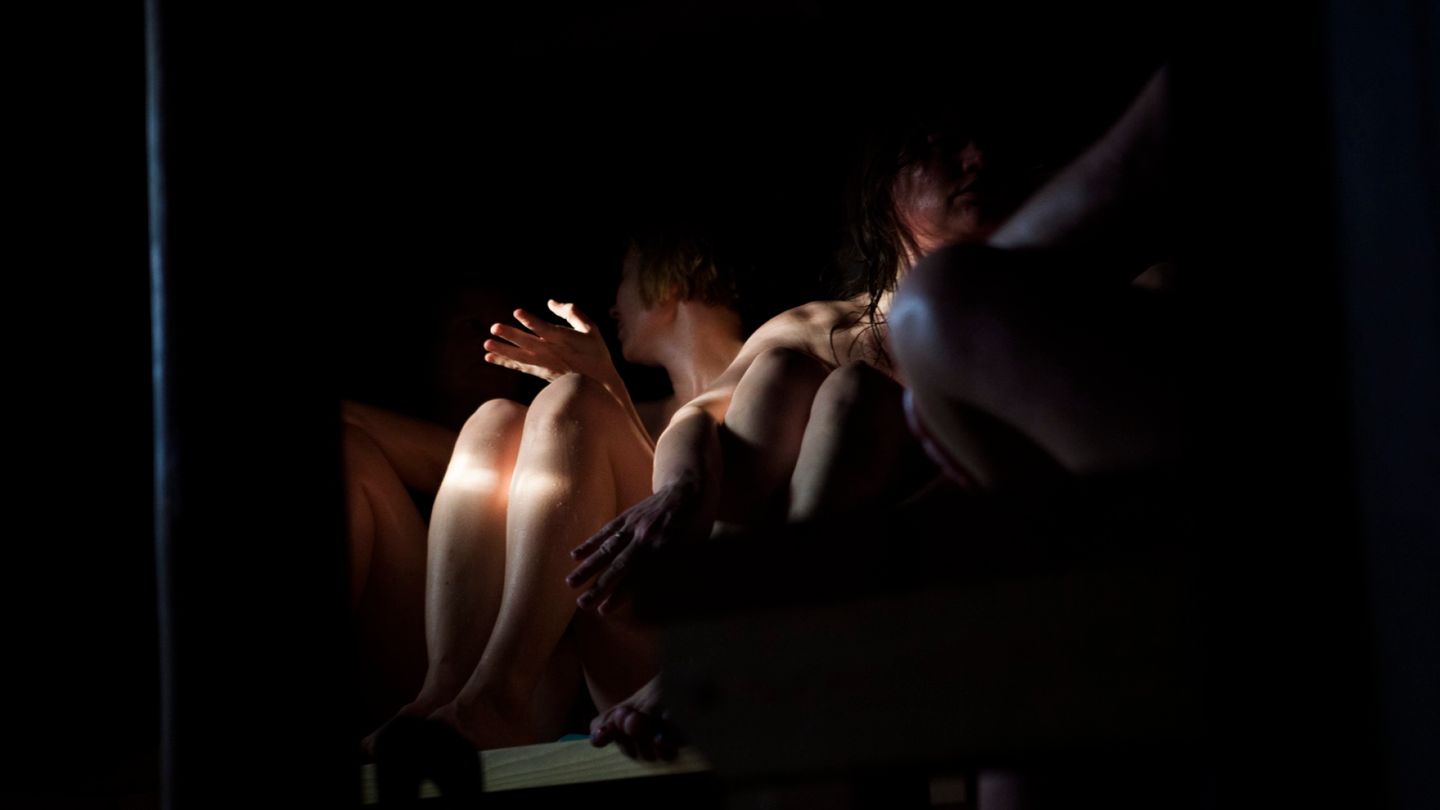
Children's Science Questions: Why Must Saunas Be Dim?
Translated from Finnish, summarized and contextualized by DistantNews.
At a glance
News
Sources not specified
Context piece
- The dim lighting in saunas is a tradition with practical reasons, helping the body and mind relax more easily.
- Historically, saunas were dimly lit due to the absence of electricity, contributing to a sense of peace and safety.
- Modern saunas maintain moderate lighting, which enhances the relaxing experience and aids in post-sauna sleep.
The tradition of dim lighting in saunas serves a purpose beyond aesthetics; it actively contributes to relaxation. When the eyes are not exposed to bright light, the environment can feel more serene, fostering a sense of peace and comfort that signals the brain it is time to unwind.
This calming effect is rooted in how saunas influence the autonomic nervous system, promoting relaxation. Historically, saunas were inherently dimly lit because electricity was not available. Light sources were limited to small windows, the stove, or candles, creating a naturally subdued atmosphere.
Even with modern lighting, the preference for softer illumination persists, as bright lights are often perceived as not fitting the sauna's tranquil ambiance. While not a strict rule, subdued lighting has become a hallmark of the traditional sauna experience, enhancing its role as a place for rest and rejuvenation.
When the eyes are not exposed to bright light, the environment can feel more serene, and the dimness can feel safe and soft. The brain receives the message that it can be completely at ease.
DistantNews Editorial
Originally published by Helsingin Sanomat in Finnish. Translated, summarized, and contextualized by our editorial team with added local perspective. Read our editorial standards.
More Stories


From Our Blog

What Gets Lost (and Found) When News Is Translated

The Critical Role of Diaspora Media in Global News

What Travellers Should Know About Countries with Restricted Press

A Digital Nomad's Guide to Following Local News

How the Same Story Looks Different in Different Countries
