


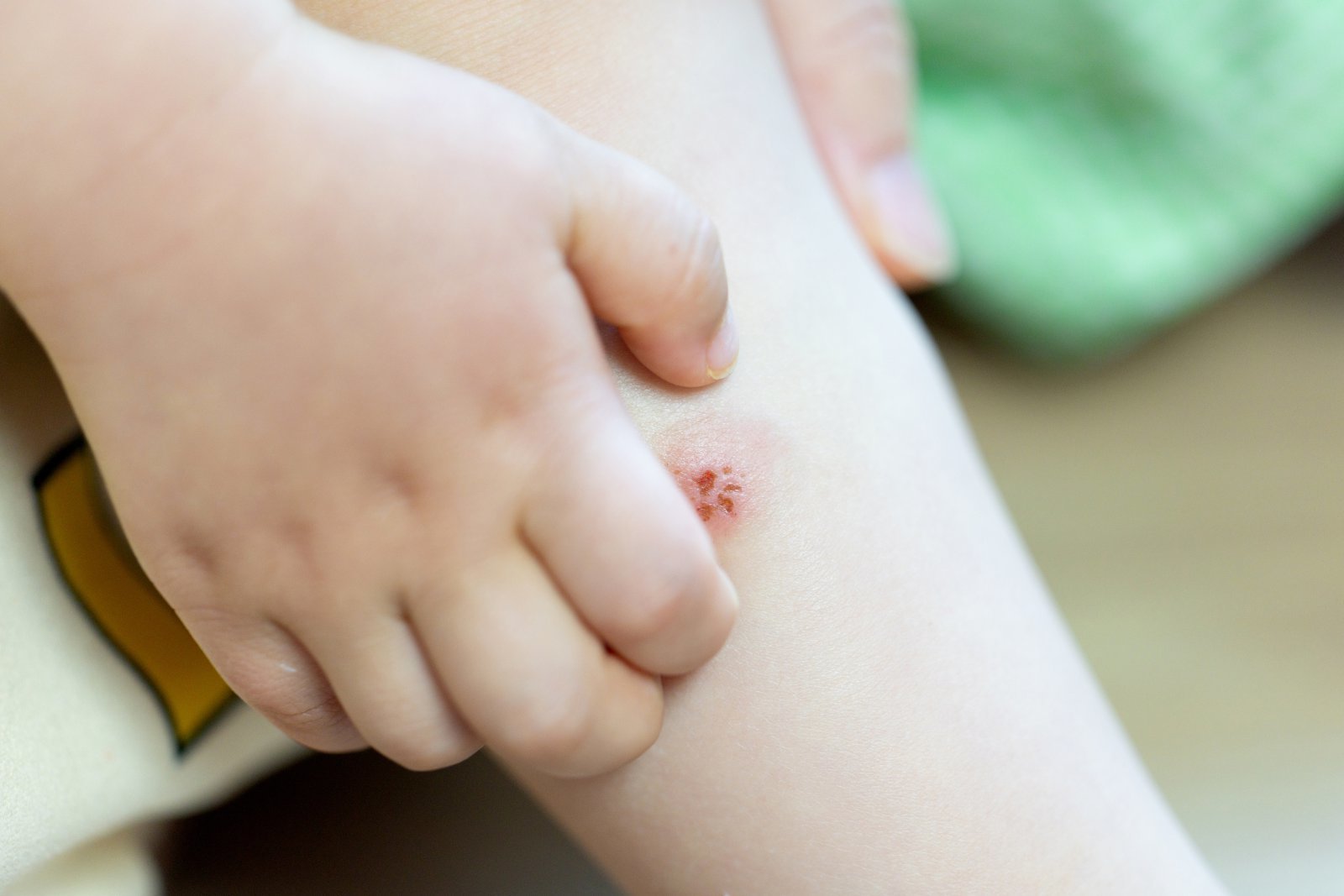
Children's skin infection 'impetigo' spreads in summer heat
Translated from Korean, summarized and contextualized by DistantNews.
At a glance
News
From a news agency
Context piece
- Impetigo, a highly contagious skin infection, is spreading among children during the hot and humid summer months.
- The infection often begins with small blisters or red spots that develop into yellow or honey-colored crusts, commonly appearing on the face, mouth, arms, and legs.
- Prevention includes frequent hand washing, avoiding scratching insect bites, keeping nails short, and maintaining skin hygiene. Infected children should avoid group settings until cleared by a doctor.
A common bacterial skin infection known as impetigo is on the rise among children, particularly in daycare centers and kindergartens, as summer temperatures and humidity increase. The condition, often called "school sores" or "contagious impetigo," is characterized by superficial, pus-filled blisters or sores that rupture and form characteristic yellow or honey-colored crusts.
Impetigo is a common skin condition, but its contagiousness means early and proper treatment is crucial.
Dr. Choi Yong-jae, chairman of the Korean Pediatric and Adolescent Hospital Association, explained that impetigo commonly affects infants and young children who sweat a lot and are prone to skin injuries. "It can easily spread among children in group settings like daycare centers and kindergartens, so caution is needed," he stated. The infection is caused by Staphylococcus aureus and Streptococcus pyogenes bacteria, typically occurring in hot, humid weather.
Impetigo often starts as small blisters or red spots, frequently on the face, around the mouth, arms, and legs. It can develop after insect bites or minor skin abrasions, especially if scratched. "If a child scratches an insect bite with their hands, the skin can be damaged, allowing bacteria to enter and lead to impetigo," Dr. Choi warned. Poor hygiene and crowded environments increase the risk of infection.
If a child scratches an insect bite with their hands, the skin can be damaged, allowing bacteria to enter and lead to impetigo.
Highly contagious, impetigo spreads through direct skin contact or shared items like towels and bedding. Families with infected children should use separate towels and clothing and practice diligent handwashing. It is crucial not to pick at or remove the crusts, as this can worsen skin damage and bacterial infection. While light bathing is acceptable, harsh scrubbing should be avoided. Swimming pools should be avoided during infection to prevent spreading and further skin irritation.
It can easily spread among children in group settings like daycare centers and kindergartens, so caution is needed.
Treatment varies from antibiotic ointments for mild cases to oral antibiotics for more widespread infections. Prompt medical attention is advised, as delayed or inadequate treatment can lead to scarring or pigmentation issues. "Impetigo is a common skin condition, but its contagiousness means early and proper treatment is crucial," Dr. Choi emphasized. "Ignoring it as a simple insect bite or pimple can lead to rapid spread." He recommended seeking professional diagnosis and treatment for any suspicious sores and stressed that handwashing and maintaining skin cleanliness are the best preventive measures.
Ignoring it as a simple insect bite or pimple can lead to rapid spread.
DistantNews Editorial
Originally published by Dong-A Ilbo in Korean. Translated, summarized, and contextualized by our editorial team with added local perspective. Read our editorial standards.
More Stories



From Our Blog

What Gets Lost (and Found) When News Is Translated

The Critical Role of Diaspora Media in Global News

What Travellers Should Know About Countries with Restricted Press

A Digital Nomad's Guide to Following Local News

How the Same Story Looks Different in Different Countries
