


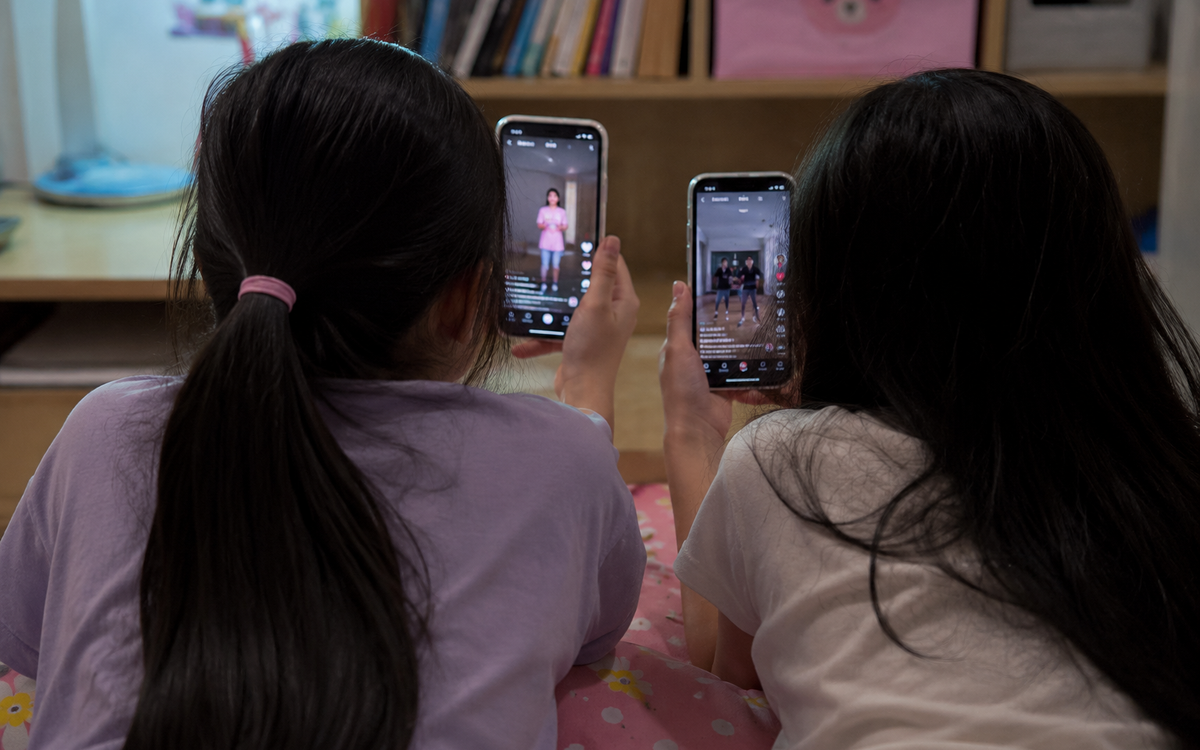
Children Shouldn't Be Handed Over to Social Media: Prioritize Protecting Children Under 13
Translated from Vietnamese, summarized and contextualized by DistantNews.
At a glance
Opinion
Sources not specified
Context piece
- The article discusses the debate in Vietnam regarding whether to ban children under 16 from using social media.
- The author suggests a more reasonable limit might be for children under 13, arguing that older teens can better distinguish between positive and negative influences.
- The piece emphasizes the importance of a healthy family environment and real-world activities to reduce children's reliance on social media.
A debate is unfolding in Vietnam about the appropriate age for children to access social media, with some advocating for a ban on those under 16. The author proposes a more nuanced approach, suggesting that a restriction for children under 13 might be more suitable, considering the developmental stages and potential risks versus benefits.
In today's modern society, children are exposed to information and technology at an earlier age than previous generations. While they possess a rapid capacity for learning and adaptation, the unique allure and accessibility of social media platforms pose a distinct challenge. For teenagers aged 14-16, who are beginning to develop a clearer sense of right and wrong, a complete ban on social media could hinder their access to information, skill development, and global connections. When guided properly, social media can be a valuable tool for learning and positive interaction.
When children find joy in family, friends, and real-world activities, the appeal of social media will naturally decrease.
However, for children under 13, the risks associated with social media may outweigh the benefits. This age group primarily needs to focus on education, play, physical activity, and direct social interactions. Instances of children becoming agitated when their devices are taken away highlight their limited self-control. The article stresses that simply imposing a ban without offering appealing alternatives is unlikely to succeed.
The core argument is that fostering a healthy living environment within the family is paramount. Parents are encouraged to spend quality time with their children through shared activities like playing, cooking, or conversing, rather than being engrossed in their own screens. When children find fulfillment in family, friends, and real-world experiences, the pull of social media naturally diminishes. The ultimate goal, the article concludes, is not an outright prohibition but teaching children to use technology appropriately and ensuring that the virtual world does not replace genuine life experiences.
The ultimate goal is not to prohibit at all costs, but to help children use technology at the right time, in the right way, and not let the virtual world replace real-life experiences.
DistantNews Editorial
Originally published by Tuổi Trẻ in Vietnamese. Translated, summarized, and contextualized by our editorial team with added local perspective. Read our editorial standards.
More Stories



From Our Blog

What Gets Lost (and Found) When News Is Translated

The Critical Role of Diaspora Media in Global News

What Travellers Should Know About Countries with Restricted Press

A Digital Nomad's Guide to Following Local News

How the Same Story Looks Different in Different Countries
