


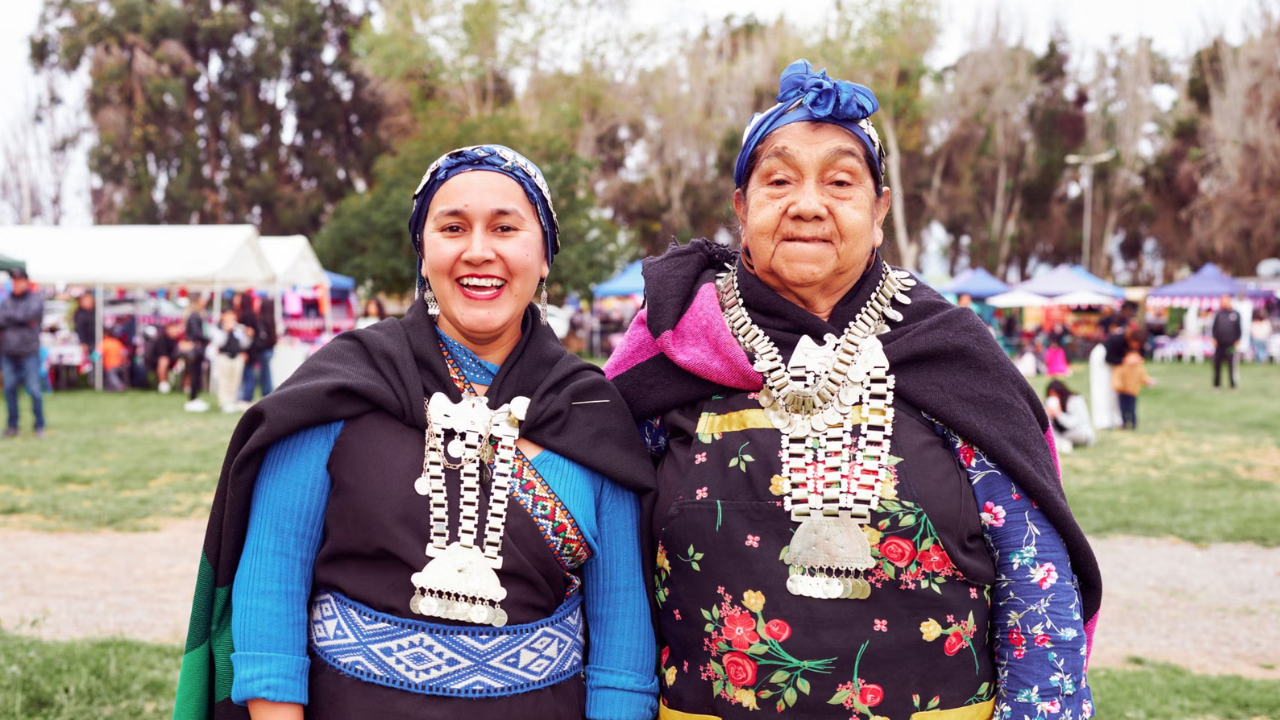
Chile's Indigenous Law returned land, but environmental restoration lagged
Translated from English, summarized and contextualized by DistantNews.
At a glance
News
Named sources
Context piece
- Chile's 1993 Indigenous Law enabled land restitution, returning over 510,000 acres to the Mapuche people over 30 years.
- A study found native forest cover on these lands changed little, with commercial plantations decreasing and pasture increasing.
- Researchers concluded that land restitution primarily addresses historical injustice, not automatically environmental restoration.
Chile's 1993 Indigenous Law aimed to rectify historical injustices by establishing a formal process for returning ancestral lands to Indigenous communities. Over three decades, this law facilitated the restitution of more than 510,000 acres to the Mapuche, Chile's largest Indigenous group. However, a recent study indicates that the environmental impact of these land returns has been minimal.
Researchers from the University of California, Santa Barbara, and the University of Talca analyzed 1,577 land parcels returned to Mapuche ownership between 1994 and 2023. Their findings, published in Nature Sustainability, revealed a 18% decrease in commercial non-native forest plantations and a 4.5% increase in agricultural pasture. Crucially, the study found no significant improvements in biodiversity, carbon storage, or soil erosion control, challenging the assumption that land restitution automatically leads to environmental restoration.
The Mapuche historically resisted colonial powers and maintained control over their territory until the mid-19th century, when military campaigns by Chile and Argentina led to their confinement on small reservations. The 1993 law was a response to decades of conflict, enabling the government to purchase land from private owners for return to Mapuche communities. Satellite imagery and government data were used to compare returned lands with similar parcels awaiting restitution.
Lead author Dany Jaimovich explained that land use patterns post-restitution were largely shaped by traditional economic activities, such as livestock raising, which has been central to the Mapuche economy for centuries. The researchers expressed surprise at the lack of increase in native forest cover, given its cultural significance to the Mapuche. They emphasized that the primary goal of land restitution is to address historical wrongs and restore Indigenous control, rather than serving as an environmental restoration program.
Livestock raising has been central to the Mapuche economy for centuries.
DistantNews Editorial
Originally published by Times of India in English. Translated, summarized, and contextualized by our editorial team with added local perspective. Read our editorial standards.
More Stories


From Our Blog

What Press Freedom Means for the News You Read

What Gets Lost (and Found) When News Is Translated

The Critical Role of Diaspora Media in Global News

What Travellers Should Know About Countries with Restricted Press

A Digital Nomad's Guide to Following Local News
