

Chile’s Kast courts China day after US hits exports with forced labour tariff
Summarized and contextualized by DistantNews.
At a glance
News
Sources not specified
Context piece
- Chilean President Gabriel Boric met with China's ambassador to Santiago, reviewing bilateral ties and upcoming engagements.
- The meeting occurred one day after the US imposed a tariff on Chilean imports due to concerns over forced labor.
- The tariff affects salmon, timber, and food industries, excluding copper, Chile's main export.
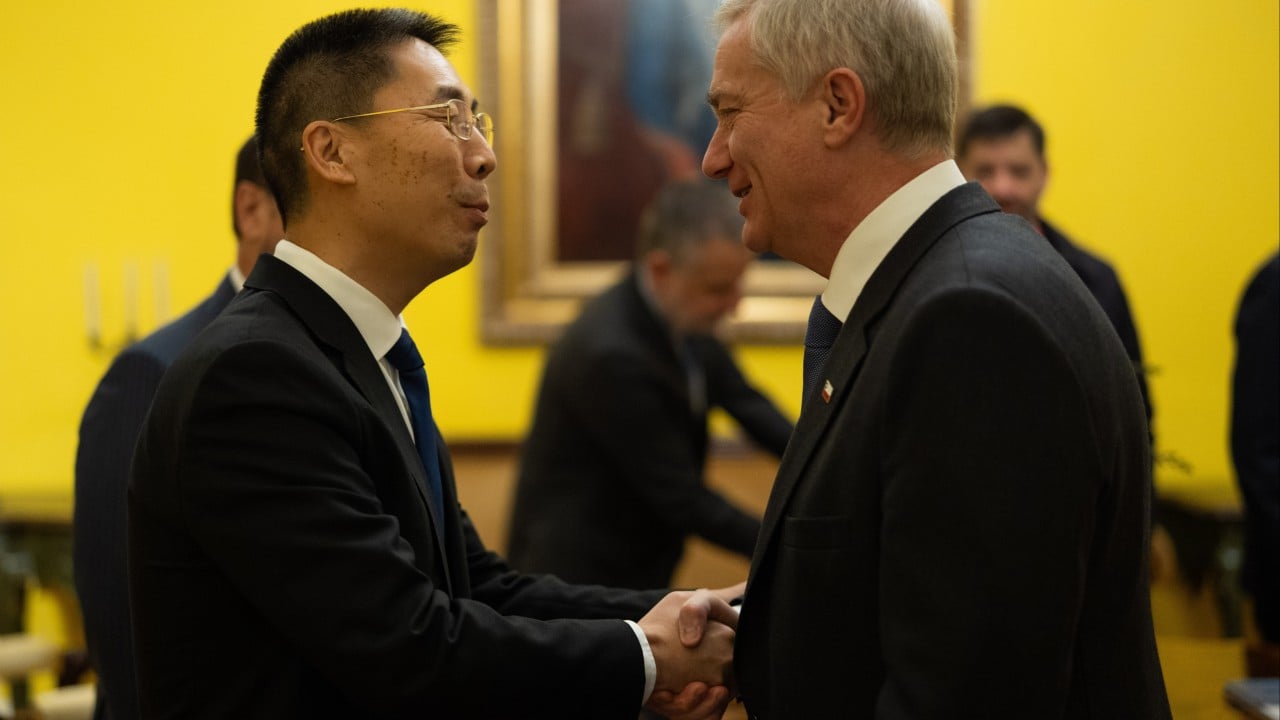
Chilean President Gabriel Boric received China's ambassador to Santiago, Niu Qingbao, for a meeting at the La Moneda Palace. This encounter, lasting over an hour, marked the first between the right-wing leader and the ambassador since Boric assumed office in March. The presidency stated that the agenda included a review of bilateral relations, the foreign minister's upcoming trip to China, and preparations for Boric's participation in the Apec leaders' meeting in Shenzhen.
The meeting took place just a day after the U.S. Trade Representative (USTR) confirmed a 12.5 percent tariff on Chilean imports. The USTR cited Chile's alleged failure to prohibit imports produced with forced labor as the justification for the measure. This levy, which impacts 59 other countries, became effective on Friday.
While copper, Chile's most significant export, is exempt from the tariff, the salmon, timber, and food industries will be affected. The USTR had initially proposed the tariff on June 3, providing the Chilean foreign ministry and export associations an opportunity to present their case. Santiago has indicated it will continue discussions with the U.S. administration to improve market access conditions, particularly concerning products deemed essential to the country's export economy.
DistantNews Editorial
Originally published by South China Morning Post. Summarized and contextualized by our editorial team with added local perspective. Read our editorial standards.
More Stories
From Our Blog

Countries Without a Free Press: What You Need to Know

What Press Freedom Means for the News You Read

What Gets Lost (and Found) When News Is Translated

The Critical Role of Diaspora Media in Global News

What Travellers Should Know About Countries with Restricted Press
