


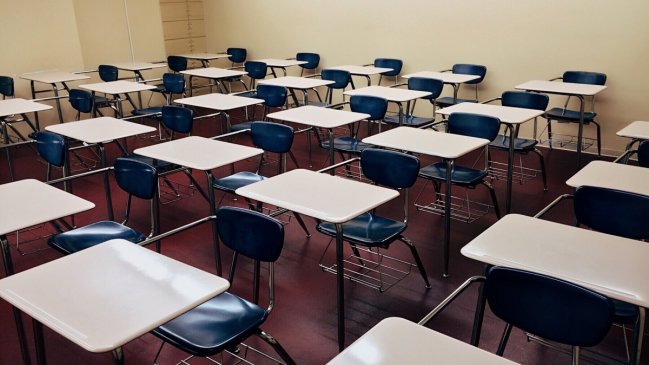
Chilean Authorities Suspend Classes in Tarapacá Due to Storm Damage
Translated from Spanish, summarized and contextualized by DistantNews.
At a glance
News
Official statement
New plan
- Education authorities in Chile's Tarapacá region suspended classes for approximately 35,000 students due to adverse weather conditions.
- The decision, affecting Iquique, Alto Hospicio, and coastal areas, was made in response to strong winds, damaged roofs, and power outages.
- Classes in the Tamarugal Province will be evaluated individually based on local conditions.
Classes were suspended across Iquique, Alto Hospicio, and coastal areas of Chile's Tarapacá region on Wednesday, August 12, due to a severe weather system. The regional education authority announced the measure, affecting around 35,000 students, in coordination with national emergency services and the regional presidential delegation.
The adverse conditions, including strong winds, flying debris, and power outages, prompted the decision to prioritize the safety of students and school staff. The suspension specifically impacted educational establishments in Iquique, Alto Hospicio, and coastal communities like Chanavayita, San Marcos, and Pisagua.
While classes were halted in the specified areas, the situation in the Tamarugal Province remained under review. Educational authorities stated that conditions in each locality within the province would be assessed individually. As of Tuesday, approximately 35,000 homes in the Tarapacá region were reported to be without electricity.
Considerando las afectaciones registradas producto de fuertes vientos, voladuras de techumbres y cortes de energía eléctrica, priorizando la seguridad de nuestras comunidades educativas.
DistantNews Editorial
Originally published by Cooperativa in Spanish. Translated, summarized, and contextualized by our editorial team with added local perspective. Read our editorial standards.
More Stories
From Our Blog

What Gets Lost (and Found) When News Is Translated

The Critical Role of Diaspora Media in Global News

What Travellers Should Know About Countries with Restricted Press

A Digital Nomad's Guide to Following Local News

How the Same Story Looks Different in Different Countries
