


Chilean Congress Approves Major Economic Reform, Municipal Dispute Delays Full Passage
Translated from Spanish, summarized and contextualized by DistantNews.
At a glance
News
Sources not specified
Ongoing story
- Chile's Congress approved most of a major government reform package aimed at boosting production and investment.
- The reform includes lower corporate taxes and a tax guarantee, but a dispute over municipal compensation delayed full approval.
- A mixed commission will now resolve the municipal compensation issue, while the government considers a presidential veto on other amendments.
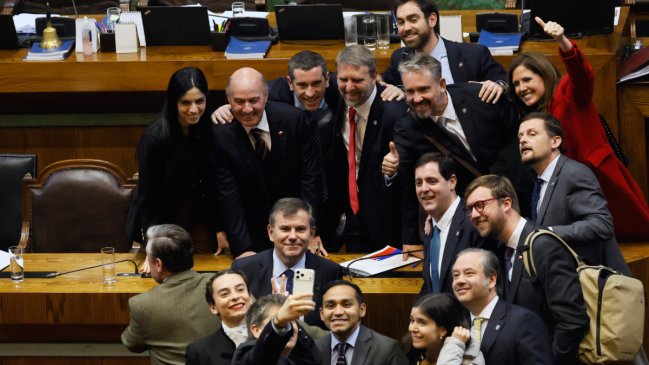
Chile's Congress has moved a significant step closer to enacting a major government reform package designed to stimulate production and investment. The "National Reconstruction" bill, a key legislative and economic initiative of President José Antonio Kast's administration, passed through the Chamber of Deputies with broad support.
Optimism can return. Investment will come to our country firmly and securely. The rules of the game will be clear for everyone who wants to invest in Chile.
The approved measures focus on fostering economic growth. They include a reduction in corporate tax rates, a guarantee of tax stability for businesses, and the creation of a state insurance program to protect private investments. Officials expressed optimism, with the biminister of the Interior and Government Spokesperson, Claudio Alvarado, stating that the reforms will clarify the rules for investors, making Chile more competitive and driving future growth and job creation.
We will be tax-competitive and, therefore, in the medium term, the country will grow again, and that growth means employment.
However, the bill's complete passage was stalled due to a disagreement over a compensation mechanism for municipalities. This issue arose from an exemption on property taxes for seniors. While the exemption itself was approved, the plan to compensate municipalities for lost revenue was not. This disagreement has led to the formation of a mixed commission, comprising five members from the Chamber of Deputies and five from the Senate, to resolve the matter.
Optimism can return, investment will come to our country firmly and securely.
Adding to the legislative complexity, the opposition successfully incorporated amendments prohibiting "anatocism", the charging of interest on interest in financial operations, and addressing financial "forgetfulness." Meanwhile, the ruling party is urging the executive branch to consider a presidential veto on opposition-backed amendments concerning these financial regulations.
The mixed commission issue will be faced with a fairly basic problem.
DistantNews Editorial
Originally published by Cooperativa in Spanish. Translated, summarized, and contextualized by our editorial team with added local perspective. Read our editorial standards.
More Stories


From Our Blog

What Gets Lost (and Found) When News Is Translated

The Critical Role of Diaspora Media in Global News

What Travellers Should Know About Countries with Restricted Press

A Digital Nomad's Guide to Following Local News

How the Same Story Looks Different in Different Countries
