


Chilean Government's Mepco Mechanism Softens Global Oil Price Shock for Drivers
Translated from Spanish, summarized and contextualized by DistantNews.
At a glance
News
Named sources
Context piece
- Chile's fuel prices will not fully reflect a recent international oil price surge due to government intervention via the Mepco mechanism.
- The Mepco mechanism is absorbing a larger portion of the price increase, preventing a steeper rise at the pump.
- This intervention reverses a recent trend of falling fuel prices in Chile.
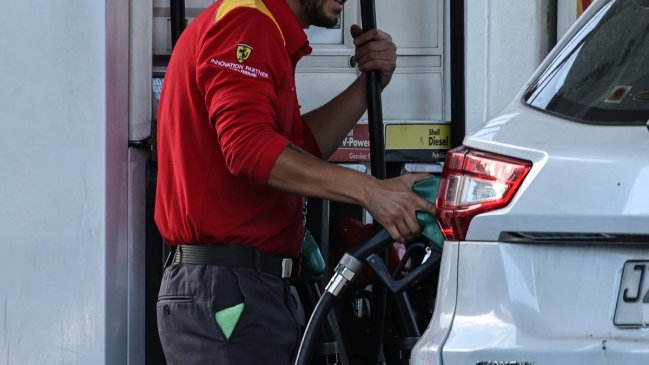
Chilean drivers will experience a less severe increase in fuel prices than initially feared, despite a recent surge in global oil costs. The government has intervened through the Fuel Price Stabilization Mechanism (Mepco) to cushion the impact of international market volatility.
If the international oil price generated pressure on the price of fuels, the Government deepened the variable component increasing its magnitude, that is, it became more negative.
The recent escalation of violence in the Middle East, involving military operations by the United States and Saudi Arabia against pro-Iranian militias, created uncertainty in global energy markets. This instability caused the price of Brent crude oil, a key benchmark for Chile's import pricing, to jump by 5% in a single day, reaching approximately $88 per barrel. This rise in the raw material's cost directly pressured the local fuel market.
However, the Chilean government adjusted the variable parameters of Mepco to act as a protective shield. Josefina Romo, a researcher at Clapes UC, explained that the government increased the magnitude of the variable component, making it more negative. "This means that Mepco is absorbing a larger part of the increase that would otherwise be passed on to gasoline prices," Romo stated. She further clarified that this adjustment widens the gap between the projected base price (without Mepco) and the current reference price set by ENAP. Consequently, the specific tax on fuels decreases, mitigating the final price hike for consumers.
This means that Mepco is absorbing a larger part of the increase that would otherwise be passed on to gasoline prices.
As a result, projected increases for gasoline and diesel remain around 30 pesos per liter. Without the modification to the variable component, the price increase would have been significantly higher. This intervention halts a recent trend of falling fuel prices for Chilean motorists. After price hikes in mid-April following a substantial increase in late March, gasoline prices saw limited fluctuations in May, and diesel prices decreased by over 100 pesos. Both June and July saw consecutive price drops of nearly 100 pesos per liter, a trend now broken by the current international situation.
As a consequence, the specific tax decreases, cushioning the increase in the final price of fuels. In practice, this means that the projected increase for gasoline and diesel remains around 30 pesos.
DistantNews Editorial
Originally published by Cooperativa in Spanish. Translated, summarized, and contextualized by our editorial team with added local perspective. Read our editorial standards.
More Stories


From Our Blog

What Gets Lost (and Found) When News Is Translated

The Critical Role of Diaspora Media in Global News

What Travellers Should Know About Countries with Restricted Press

A Digital Nomad's Guide to Following Local News

How the Same Story Looks Different in Different Countries
