


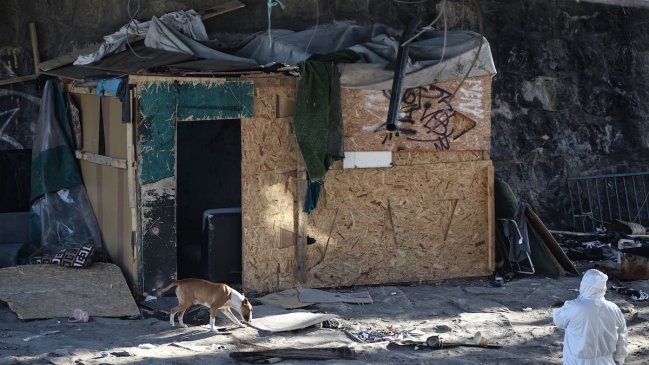
Chilean lawmakers propose jail time for installing makeshift shelters
Translated from Spanish, summarized and contextualized by DistantNews.
At a glance
News
Sources not specified
New plan
- Lawmakers introduced a bill to criminalize the installation of makeshift shelters, known as 'rucos,' with potential jail time.
- The proposal aims to address the rise in public space occupation and associated crime, though proponents state it does not target homeless individuals.
- Official data shows a significant increase in 'rucos' nationwide, more than doubling since 2017.
Lawmakers in Chile have proposed a new bill that would criminalize the use of public spaces for makeshift shelters, commonly referred to as 'rucos.' The legislation, introduced by a bipartisan group of deputies, seeks to impose prison sentences ranging from 61 to 540 days for individuals who install structures that impede public access.
The initiative stems from a perceived increase in these encampments and a decline in public space quality in various municipalities. "The 'rucos' have taken over public spaces, and more seriously, they are filled with incivilities and crime," stated Deputy Claudia Mora. The bill aims to add a new offense to the Penal Code specifically targeting the installation of such structures.
The 'rucos' have taken over public spaces, and more seriously, they are filled with incivilities and crime.
Proponents of the bill emphasize that the legislation is not intended to criminalize people experiencing homelessness. "We are not criminalizing people in a situation of street life. They must be attended to by the State, and municipalities make a great effort to address these cases daily," explained Deputy Felipe Ross. He added that the issue arises when individuals return to public streets and establish encampments that become hotbeds for criminal activity, rather than simply sleeping on the sidewalk.
Official figures from the Ministry of Social Development and Family reveal a stark rise in the number of 'rucos.' In April 2024, a total of 21,272 such structures were recorded, representing a 102.4% increase compared to 2017, when 10,509 were counted. The bill now moves forward for further legislative consideration.
We are not criminalizing people in a situation of street life. They must be attended to by the State and the municipalities make a great effort to address these cases daily, but we see that they return to the public road and not to sleep precisely on the sidewalk, but to make installations that later become hotbeds of crime.
DistantNews Editorial
Originally published by Cooperativa in Spanish. Translated, summarized, and contextualized by our editorial team with added local perspective. Read our editorial standards.
More Stories


From Our Blog

What Gets Lost (and Found) When News Is Translated

The Critical Role of Diaspora Media in Global News

What Travellers Should Know About Countries with Restricted Press

A Digital Nomad's Guide to Following Local News

How the Same Story Looks Different in Different Countries
