

Chilean PPD leader warns political 'vendetta' risk from Grau accusation
Translated from Spanish, summarized and contextualized by DistantNews.
At a glance
News
Sources not specified
Context piece
- A constitutional accusation against former Finance Minister Nicolás Grau is causing political friction in Chile's Congress.
- PPD President Raúl Soto warns the accusation hinders dialogue and agreements, potentially damaging fiscal policy and democracy.
- RN Vice President Ximena Ossandón believes the accusation has sufficient votes to proceed, though her party has no unified stance.
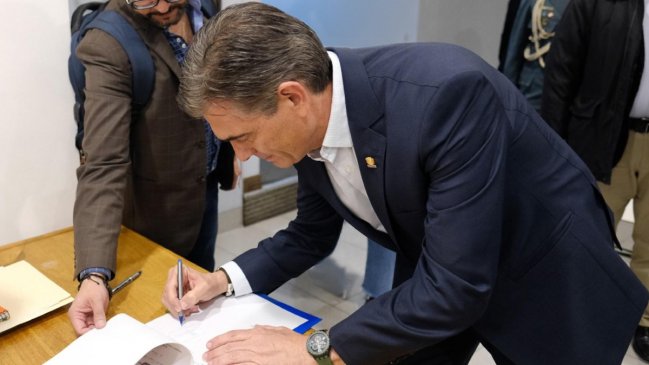
A constitutional accusation against former Chilean Finance Minister Nicolás Grau is creating deep divisions in Congress, with the president of the center-left PPD party warning it undermines political dialogue.
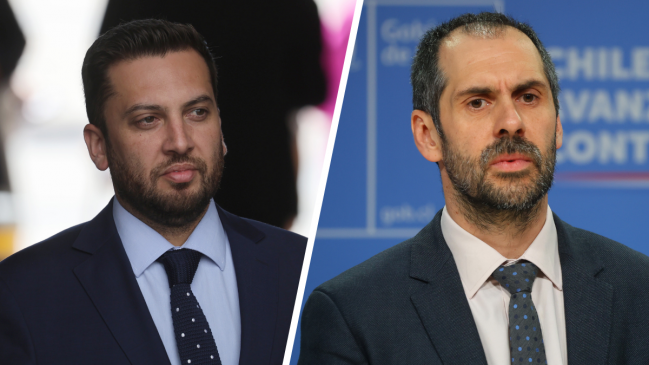
Raúl Soto, president of the PPD and a deputy, stated that the accusation "soils and hinders the possibility of a climate of dialogue and agreements in the National Congress." He argued that it "continues to confront us, continues to polarize us, continues to entrench us in more extreme positions, which is what we do not want."
Soto emphasized that the accusation against Grau extends beyond political repercussions. "For a former Finance Minister, fiscal policy is damaged, the fiscal institutionality of our country is damaged. And at the end of the day, our democracy is also damaged," he said. He lamented that matters historically considered state policies are now embroiled in "the mud of political contingency, in the middle of the fight between two sides and hooligan groups."
The PPD leader asserted that the accusation lacks sufficient constitutional grounds, calling it "clear at this point that there is no unconstitutionality." He also cautioned against a cycle of reciprocal accusations between the ruling party and the opposition, which could lead to a "scenario of permanent political vendetta."
Meanwhile, Ximena Ossandón, vice president of the Chamber of Deputies and a member of the conservative RN party, believes there are enough votes for the accusation to succeed. However, she noted that RN does not have a unified position, and individual lawmakers will have the freedom to vote as they choose. Ossandón dismissed linking the current accusation to a separate legislative proposal aimed at raising the requirements for future constitutional accusations, stating that while such a proposal is welcome for ensuring the instrument is used as a last resort, it will not affect the current case against Grau.
DistantNews Editorial
Originally published by Cooperativa in Spanish. Translated, summarized, and contextualized by our editorial team with added local perspective. Read our editorial standards.
More Stories

From Our Blog

What Gets Lost (and Found) When News Is Translated

The Critical Role of Diaspora Media in Global News

What Travellers Should Know About Countries with Restricted Press

A Digital Nomad's Guide to Following Local News

How the Same Story Looks Different in Different Countries
