

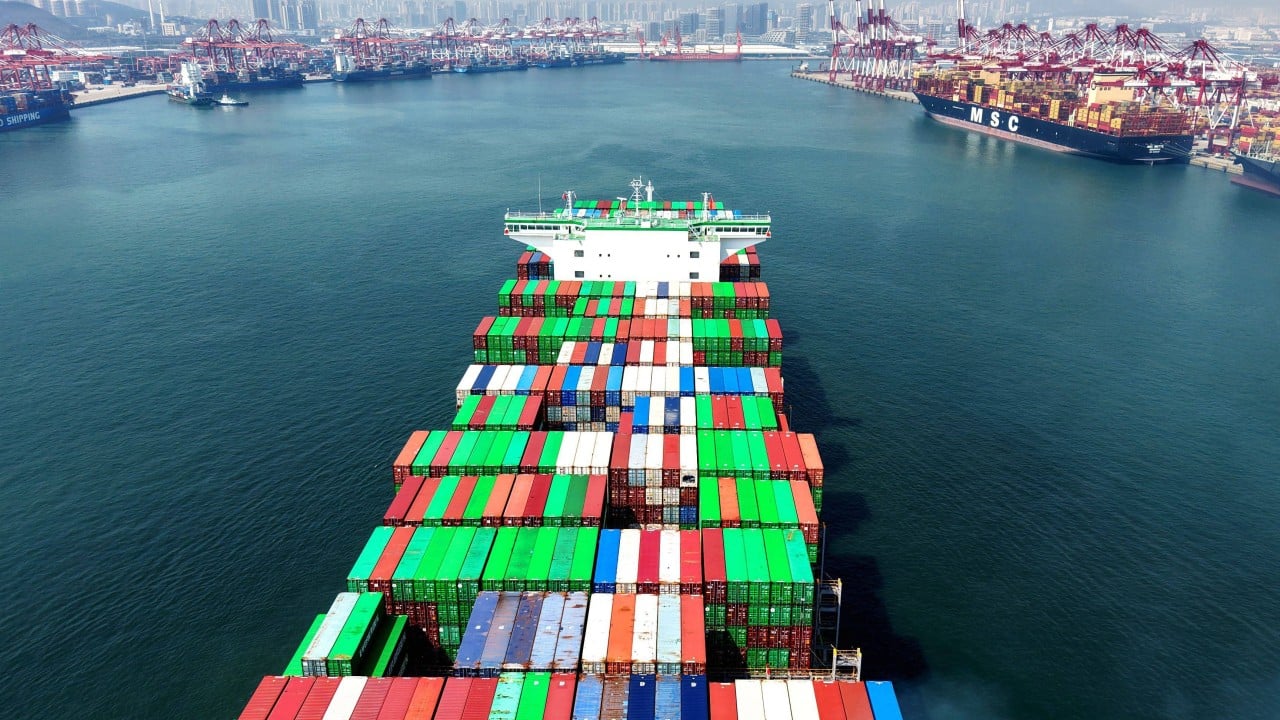
China accuses US of power abuse with expanded blacklist of Chinese firms
Summarized and contextualized by DistantNews.
At a glance
News
Sources not specified
Context piece
- China has condemned the US Defense Department's expansion of a blacklist of Chinese companies, calling it an abuse of power.
- Beijing claims Washington is using national security as a pretext to stifle the growth of Chinese firms.
- The expanded list now includes 188 entities, up from 134, and targets companies allegedly linked to the Chinese military.
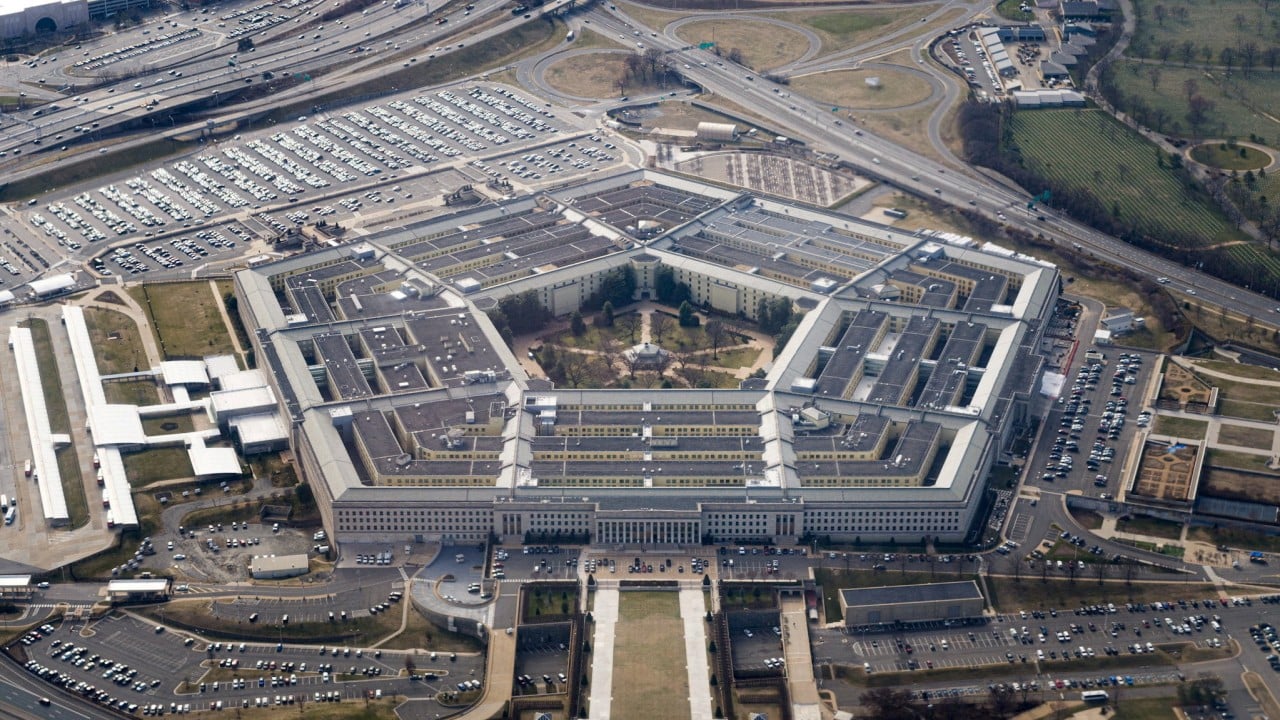
Beijing has issued a strong warning of retaliation against the United States, accusing Washington of abusing its power by expanding a blacklist of Chinese companies. The US Defense Department added 54 entities to its Section 1260H list, bringing the total to 188, under the guise of national security. China's Ministry of Commerce decried the move, stating that the US "continuously overstretched the concept of national security, abused state power, and unreasonably suppressed Chinese companies."
China argues that these actions by the US disrupt the global economic and trade order, destabilize supply chains, and infringe upon the legitimate rights of Chinese enterprises. The expanded list includes major Chinese technology and industrial giants, many of which are accused of operating directly or indirectly within the United States and having ties to the Chinese military.
This escalation comes just weeks after US President Donald Trump's visit to China for talks with President Xi Jinping, adding a layer of tension to the bilateral relationship. The move signifies a continued trend of technological and economic competition between the two global powers, with national security concerns increasingly cited as justification for restrictive measures.
[Washington has] continuously overstretched the concept of national security, abused state power, and unreasonably suppressed Chinese companies. Such actions by the US have seriously undermined the international economic and trade order, jeopardised the stability of global industrial and supply chains, and infringed upon the legitimate rights and interests of Chinese enterprises.
DistantNews Editorial
Originally published by South China Morning Post. Summarized and contextualized by our editorial team with added local perspective. Read our editorial standards.
More Stories

From Our Blog

Countries Without a Free Press: What You Need to Know

What Press Freedom Means for the News You Read

What Gets Lost (and Found) When News Is Translated

The Critical Role of Diaspora Media in Global News

What Travellers Should Know About Countries with Restricted Press
