


China and Russia Unite on World Order, but Putin Departs Without Concrete Gains
Translated from English and summarized by DistantNews. Read the original for the full story.
At a glance
News
Named sources
Context piece
- Chinese and Russian leaders met, showcasing solidarity for a multipolar world order.
- Despite the display, the Russian president's visit yielded few concrete gains, notably no deals on the Power of Siberia 2 pipeline.
- Chinese analysts suggest the trip strengthened Beijing's position in managing relations with Russia and the US, placing China in a more advantageous triangular dynamic.
The recent state visit by Russian President Vladimir Putin to China, while presented as a united front for a multipolar world order, appears to have been more symbolic than substantive for Moscow. The much-anticipated Power of Siberia 2 pipeline deal, a key objective for Russia, was conspicuously absent from any concrete agreements announced during the high-profile summit. This outcome underscores the growing economic and strategic asymmetries within the China-Russia relationship, with Beijing increasingly holding the upper hand.
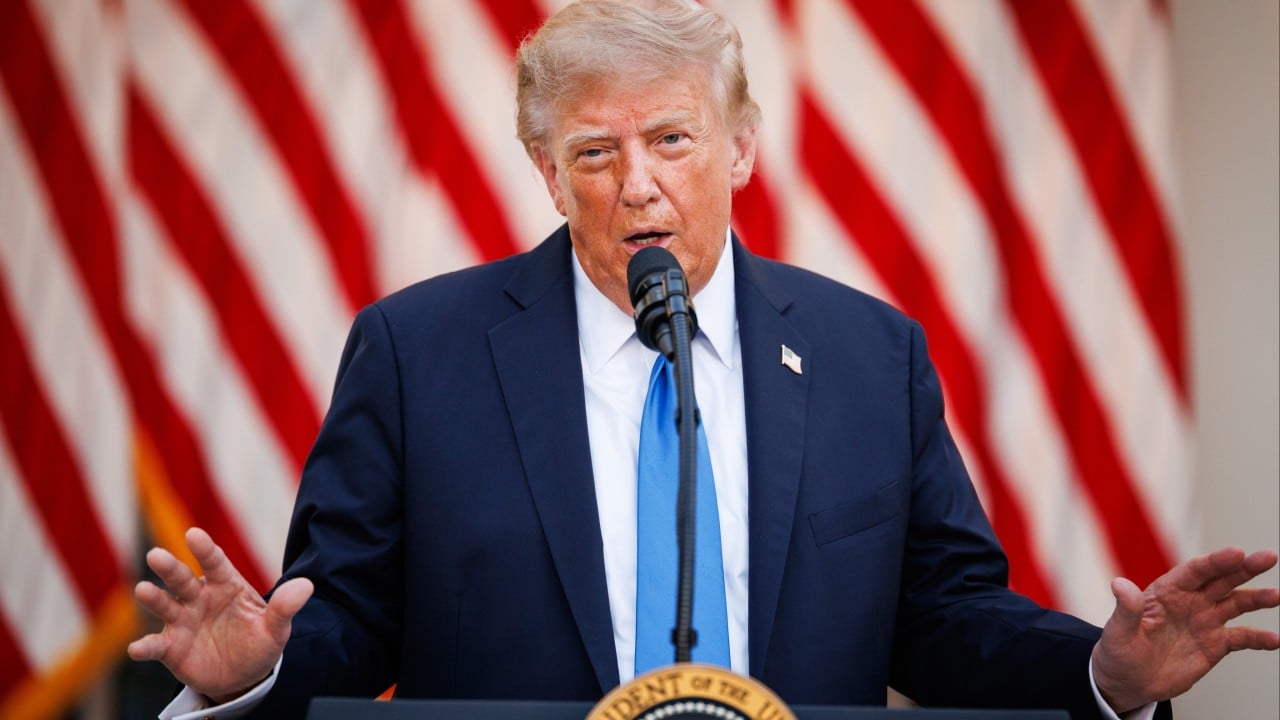
Chinese observers, such as Zhang Xin, a professor at the Centre for Russian Studies at East China Normal University, interpret the visit as a strategic success for Beijing. By hosting both Putin and, previously, former US President Donald Trump, China has positioned itself as a central player in global geopolitics. This diplomatic maneuvering, according to Xin, has significantly strengthened China's standing within the complex triangular relationship involving Russia and the United States, placing Beijing in a "relatively more advantageous position."
China is actually standing in a relatively more advantageous position.
From a Chinese perspective, the visit reinforces the narrative of a world order increasingly resistant to US hegemony. The public display of camaraderie between Xi Jinping and Putin serves Beijing's broader foreign policy goals of challenging Western dominance and promoting a more diversified international system. However, the lack of tangible economic benefits for Russia, particularly concerning energy infrastructure, suggests that while China champions a multipolar world, it does so on terms that increasingly favor its own national interests. The visit, therefore, highlights not just a shared geopolitical vision but also the evolving power dynamics within this crucial bilateral partnership.
Given the fact that the leaders of Russia and the US have visited China, this is not just symbolic. Indeed, China now is in a relatively stronger position within this triangular relationship.
About this summary
Originally published by South China Morning Post in English. Translated, summarized, and contextualized automatically by DistantNews, with a note on how the source frames the story. Not individually reviewed before publishing. How this works.
More Stories


From Our Blog

Countries Without a Free Press: The 2026 List and What It Means for Readers

What Press Freedom Means for the News You Read

News in Translation: What Gets Lost, and How We Keep the Framing

Diaspora Media: How Communities Abroad Follow Home

Traveling Where the Press Is Not Free: How to Read the News There
