


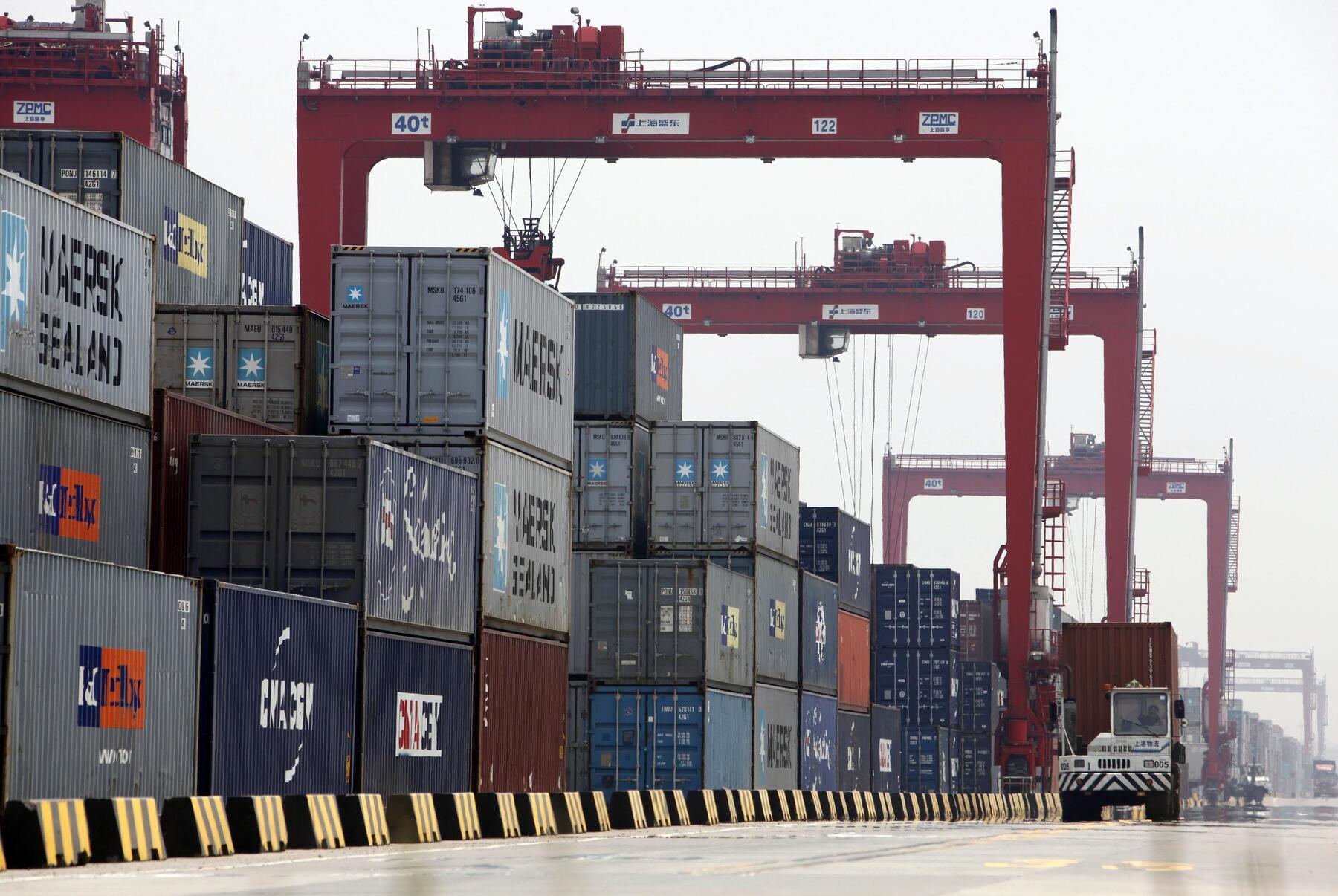
China Captures European Industrial Market Share
Translated from German, summarized and contextualized by DistantNews.
At a glance
News
Sources not specified
Context piece
- China's share of Austrian imports is growing, while the rest of Europe's share is shrinking, particularly in high-tech products.
- The EU faces a massive trade deficit with China, prompting Brussels to demand concessions.
- China argues its exports result from technological progress and global demand, not overproduction.
China's industrial influence is increasingly displacing European competitors in the Austrian market, with a notable shift occurring in high-tech sectors. The proportion of Chinese goods in Austrian imports has nearly doubled between 2019 and 2025, rising from approximately seven percent to 13 percent.
This surge contrasts with a decline in imports from other EU states, which fell from 71 percent to 66 percent during the same period. Imports from the rest of the world saw only a marginal decrease, indicating that European companies are the primary ones being pushed out by Chinese firms.
Historically, China was known for exporting inexpensive consumer goods. However, the dynamic has changed significantly. Imports of industrial goods from China now constitute a larger share of Austrian imports from third countries than consumer goods, reaching almost 40 percent. This trend is particularly pronounced in high-tech areas, where China's share of Austrian high-tech imports grew from 21 percent in 2019 to 30 percent by 2025.
The European Union is grappling with this shift, facing a substantial trade deficit with China, which averaged around one billion euros per day recently. Brussels is pressing Beijing for concessions, seeking concrete progress by October. China, however, maintains that its exports are driven by technological advancements, efficient supply chains, and global demand, rather than overproduction. The Chinese Ministry of Commerce has issued a 40-page position paper addressing these concerns, arguing that high export surpluses do not automatically equate to overproduction.
DistantNews Editorial
Originally published by Die Presse in German. Translated, summarized, and contextualized by our editorial team with added local perspective. Read our editorial standards.
More Stories



From Our Blog

What Gets Lost (and Found) When News Is Translated

The Critical Role of Diaspora Media in Global News

What Travellers Should Know About Countries with Restricted Press

A Digital Nomad's Guide to Following Local News

How the Same Story Looks Different in Different Countries
