

China-Cuba 'US security threat', Brazil's rare earths: Latin America relations reads
Translated from English, summarized and contextualized by DistantNews.
At a glance
News
Sources not specified
Context piece
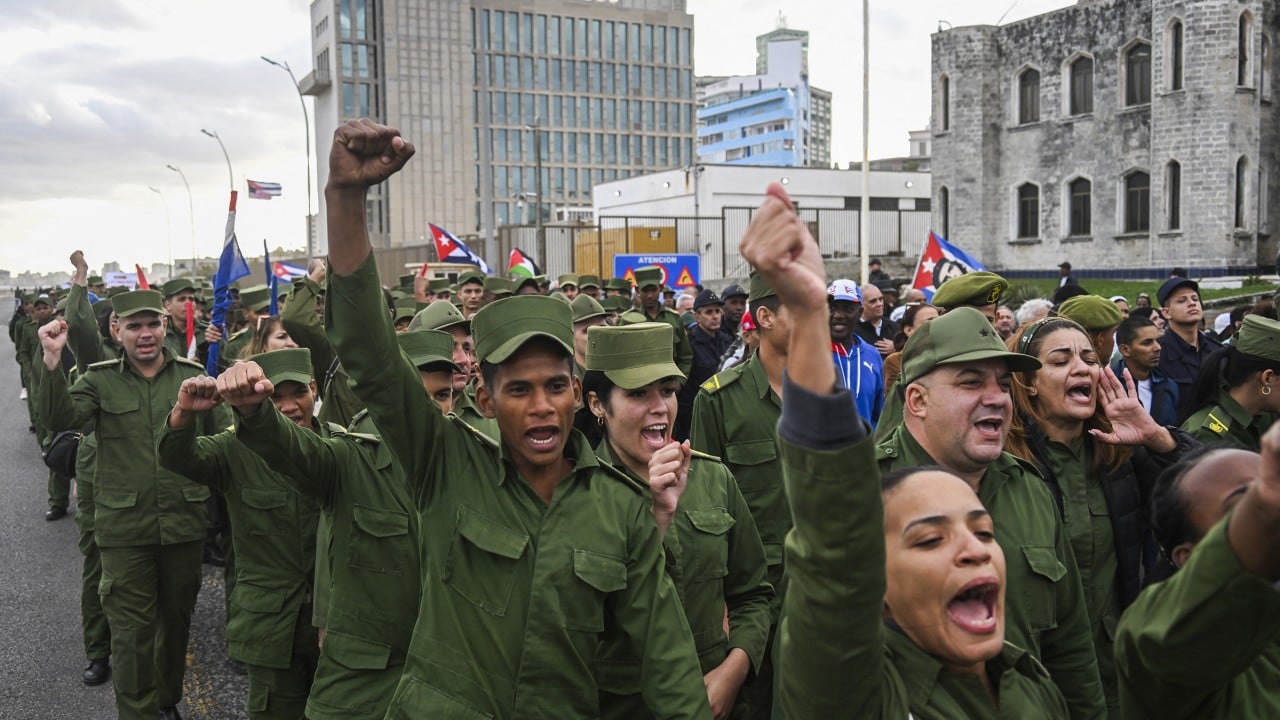
- The U.S. labeled Cuba a security threat linked to China and Russia, shortly after bringing charges against former Cuban leader Raul Castro.
- Panama's president rejected claims of U.S. pressure regarding its handling of port disputes, as the nation seeks to ease tensions with China.
- A significant Chinese $5 billion loan to Argentina has dwindled, leaving the country to settle its debt amid a geopolitical tug-of-war.
The United States has characterized Cuba as a growing national security threat, citing ties to China and Russia. This assessment came a day after U.S. authorities brought criminal charges against former Cuban leader Raul Castro related to a 1996 incident. Simultaneously, President Donald Trump and Secretary of State Marco Rubio suggested Cuba could be a candidate for a negotiated political transition.
In Panama, President Jose Raul Mulino has refuted suggestions that U.S. pressure influenced his government's approach to disputes over ports near the Panama Canal. Panama is actively working to stabilize its relationship with Beijing and aims to renew a key maritime agreement.
Argentina's financial situation is highlighted by the near depletion of a $5 billion currency lifeline from China's central bank. This lifeline had supported the country through years of financial instability. Now, Argentina is on the verge of settling its debt with China, positioning itself at the center of a geopolitical contest between Washington and Beijing.
DistantNews Editorial
Originally published by South China Morning Post in English. Translated, summarized, and contextualized by our editorial team with added local perspective. Read our editorial standards.
More Stories
From Our Blog

Countries Without a Free Press: What You Need to Know

What Press Freedom Means for the News You Read

What Gets Lost (and Found) When News Is Translated

The Critical Role of Diaspora Media in Global News

What Travellers Should Know About Countries with Restricted Press
