

China denounces US chip curbs as threat to global supply chains
Translated from English, summarized and contextualized by DistantNews.
At a glance
News
Named sources
Context piece
- China condemns US legislation aiming to restrict its access to semiconductor technology, warning of damage to global supply chains.
- Proposed bills, set to be included in the US National Defence Authorisation Act, escalate tech competition between the two nations.
- Beijing urges the US to stop politicizing tech issues and respect market economy principles to maintain global supply chain stability.
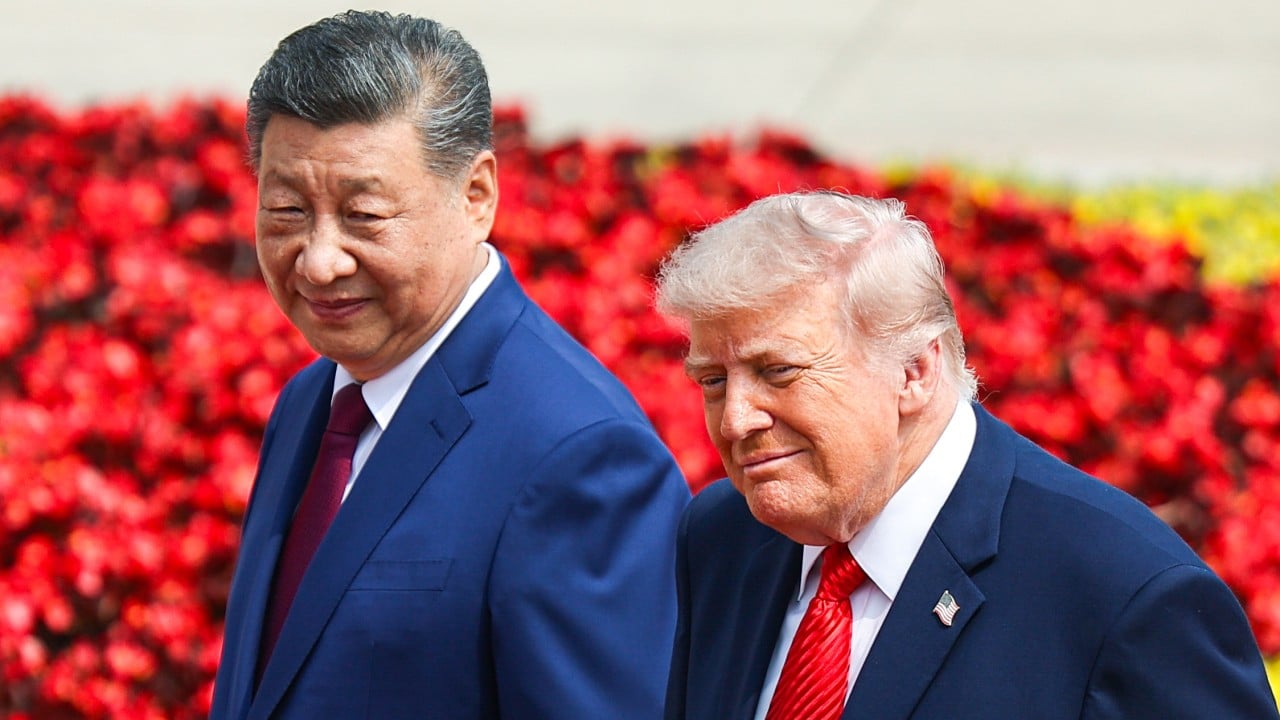
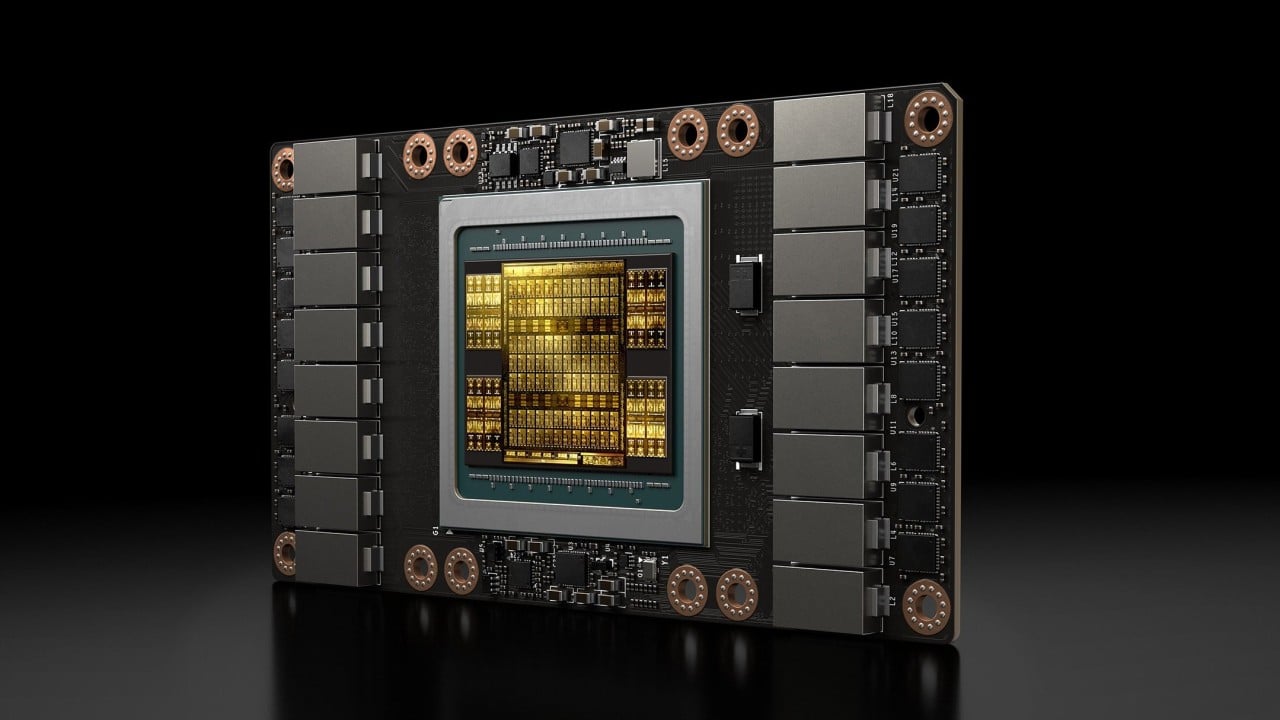
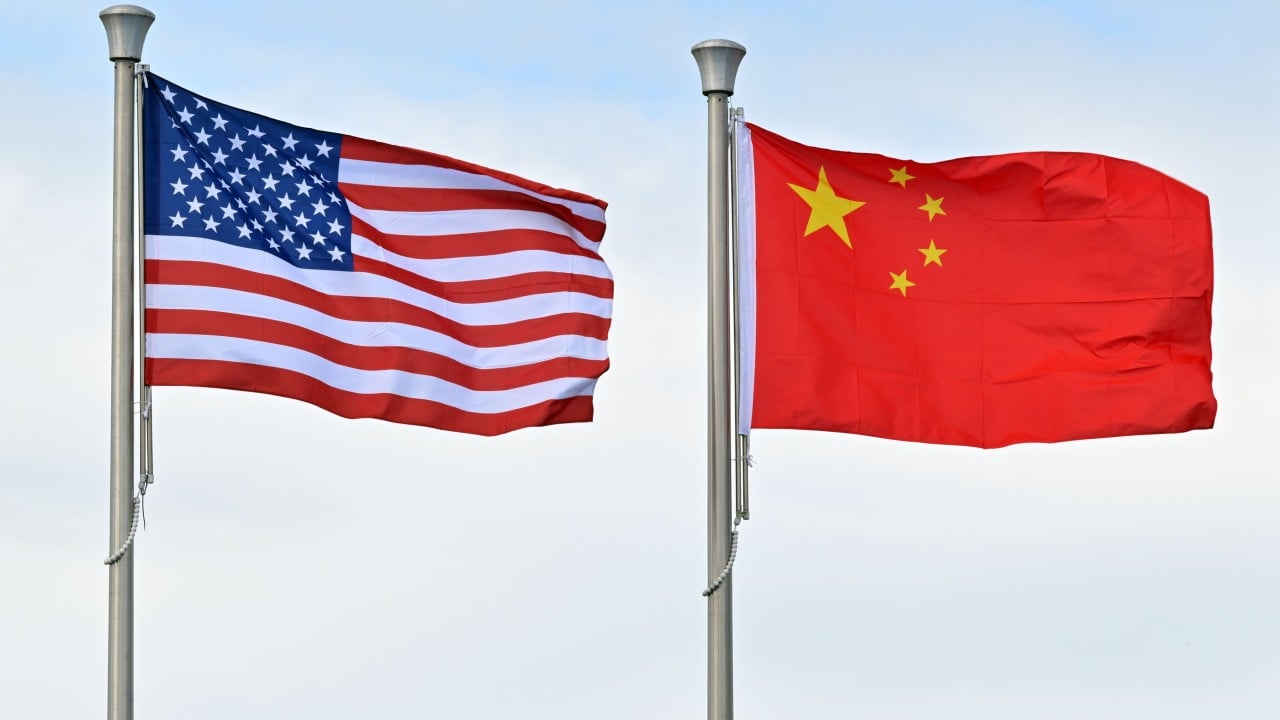
Beijing has strongly denounced new US legislative efforts to limit China's access to advanced semiconductor chips and manufacturing equipment. A Chinese embassy spokesperson in Washington stated that these actions would cause "arbitrary disruption and damage" to global supply chains, serving no one's interests. The condemnation comes as three export control bills targeting China are reportedly being incorporated into the US Senate's National Defence Authorisation Act (NDAA), signaling a significant escalation in the technological rivalry between the two superpowers.
Arbitrary disruption and damage to the global industrial and supply chains serves no one’s interest and to do so will receive no support.
While acknowledging the NDAA as a domestic US bill, the spokesperson asserted that Beijing "firmly rejects" the inclusion of negative content about China. The embassy argued that global supply chains are shaped by market forces and business decisions, not arbitrary disruptions. The US was urged to cease politicizing, weaponizing, and ideologizing economic, trade, and science and technology issues. Beijing also called for an end to the obstruction of Chinese companies and adherence to market economy and free trade rules to safeguard the security and stability of global industrial and supply chains.
The US should stop politicising, weaponising and ideologising economic, trade and sci-tech issues, stop blocking and hobbling Chinese companies, respect the law of the market economy and free trade rules, and defend the security and stability of global industrial and supply chains.
This move by US lawmakers contrasts with recent actions by the Trump administration, which had eased some restrictions, such as permitting Nvidia to sell certain lower-end chips to China. The bipartisan bills introduced in both the House and Senate aim to tighten US tech restrictions on China, reflecting ongoing tensions in the high-tech sector.
firmly reject[s] inserting negative content about China into the draft legislation
DistantNews Editorial
Originally published by South China Morning Post in English. Translated, summarized, and contextualized by our editorial team with added local perspective. Read our editorial standards.
More Stories

From Our Blog

Countries Without a Free Press: What You Need to Know

What Press Freedom Means for the News You Read

What Gets Lost (and Found) When News Is Translated

The Critical Role of Diaspora Media in Global News

What Travellers Should Know About Countries with Restricted Press
