


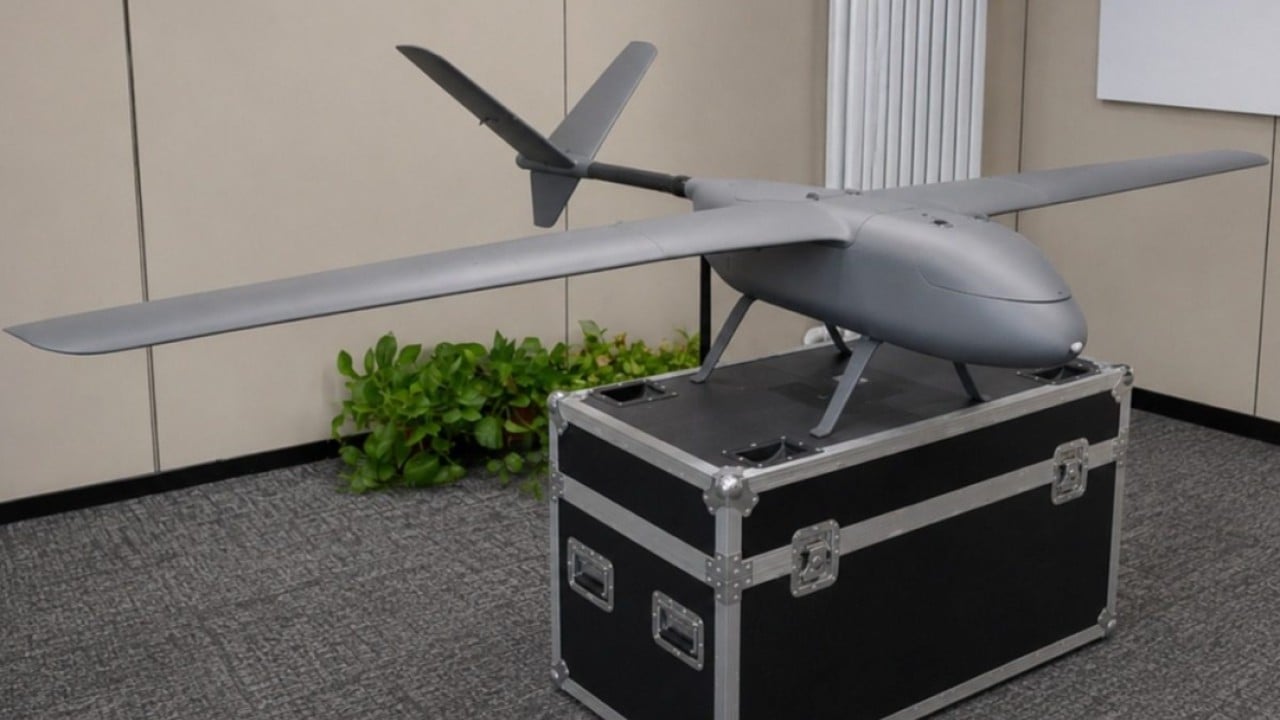
China Develops Low-Cost Stealth Coating Material
Translated from English, summarized and contextualized by DistantNews.
At a glance
News
Sources not specified
New plan
- Chinese researchers have developed a low-cost microwave-absorbing composite using expanded graphite and titanium dioxide.
- This material could potentially lower the cost of stealth coatings, traditionally made with expensive ingredients.
- The development may enable large-scale industrial production and broaden practical applications beyond military uses.
Advanced radar-absorbing materials, crucial for stealth technology in military platforms, might soon become more affordable thanks to a breakthrough in China. Researchers at Foshan University have developed a low-cost composite material that effectively absorbs microwaves.
The new material, detailed in a peer-reviewed paper published in the Journal of Ceramics, combines expanded graphite and titanium dioxide. According to the researchers, this composite offers strong electromagnetic wave attenuation and can be manufactured through a relatively simple process. This approach has the potential to significantly reduce production costs compared to existing high-performance absorbing materials, which often rely on expensive components like graphene and carbon nanotubes.
The significance of this development lies in its potential to move stealth coating technology from niche military applications to large-scale industrial production. By utilizing expanded graphite, a more readily available and cheaper carbon material, the Foshan team's method could make advanced radar-absorbing systems more accessible. This could lead to broader practical applications beyond the traditional high-end military platforms for which performance has historically come at a high price.
DistantNews Editorial
Originally published by South China Morning Post in English. Translated, summarized, and contextualized by our editorial team with added local perspective. Read our editorial standards.
More Stories



From Our Blog

Countries Without a Free Press: What You Need to Know

What Press Freedom Means for the News You Read

What Gets Lost (and Found) When News Is Translated

The Critical Role of Diaspora Media in Global News

What Travellers Should Know About Countries with Restricted Press
