


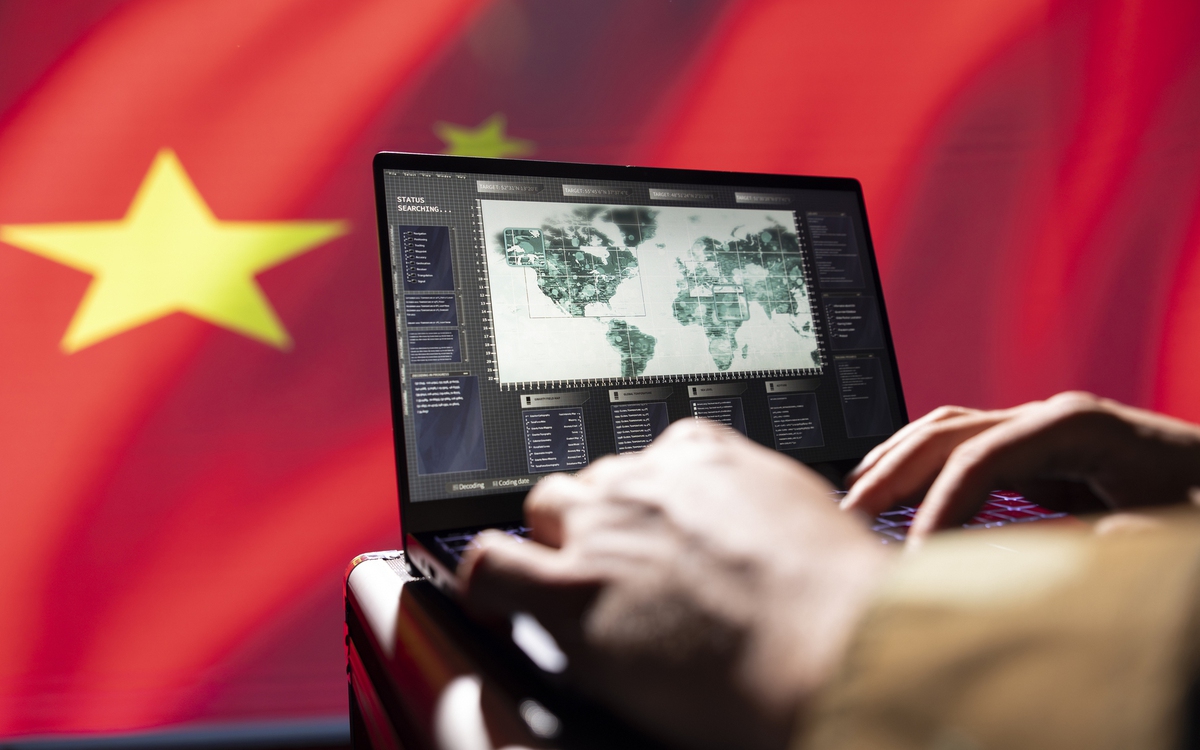
China establishes space AI research institute amid US competition
Translated from Vietnamese, summarized and contextualized by DistantNews.
At a glance
News
Sources not specified
New plan
- China has established the Beijing Space Intelligent Computing Research Institute to advance AI and space data processing technologies.
- The institute, led by a consortium including the National Information Technology Application Innovation Park, will focus on space computing chips, satellite laser communication, and space energy.
- This move intensifies the space computing race with the United States, as China aims to launch a test satellite by 2028.
China has launched the Beijing Space Intelligent Computing Research Institute, a new entity dedicated to advancing artificial intelligence and data processing in space. Located in Beijing's E-Town, a hub for robotics and AI firms, the institute emerged in late May under a consortium led by the National Information Technology Application Innovation Park. This initiative, a joint effort between China's Ministry of Industry and Information Technology and the Beijing municipal government since 2019, aims to propel China's capabilities in the burgeoning field of space computing.
The institute will concentrate on critical areas such as space computing chips, inter-satellite laser communication technology, space energy, and safety standards for extraterrestrial operations. A key objective is the development and launch of a test satellite by the end of 2028. Founding members include commercial aerospace companies like GalaxySpace and LandSpace, alongside semiconductor firms Beijing Guanyu Chip Computing Technology and CXJD. These partners will pool resources to create platforms for testing, validating, and commercializing space computing technologies.
This development escalates the competition in space computing between China and the United States. The US commercial space sector is expanding rapidly, with companies like Elon Musk's SpaceX planning significant investments in AI infrastructure. Space computing, which involves deploying data processing and AI on satellites or beyond Earth's orbit, is gaining traction due to the increasing demand for AI, which strains ground-based data centers and power grids. Experts suggest space computing, powered by solar energy, offers a promising solution to these challenges.
Beijing is also strengthening institutional support for the sector. In April, China established its first Space Computing Committee to unify industry players and develop technological standards and an ecosystem. Local governments are also increasing investment, aligning with China's 15th Five-Year Plan, which emphasizes integrating ground-based and space-based communication and computing infrastructure.
DistantNews Editorial
Originally published by Tuổi Trẻ in Vietnamese. Translated, summarized, and contextualized by our editorial team with added local perspective. Read our editorial standards.
More Stories


From Our Blog

What Gets Lost (and Found) When News Is Translated

The Critical Role of Diaspora Media in Global News

What Travellers Should Know About Countries with Restricted Press

A Digital Nomad's Guide to Following Local News

How the Same Story Looks Different in Different Countries
