


China Faces Record Trade Surplus; Former Mayor Huang Qifan Calls for Currency Appreciation and Policy Overhaul
Translated from English and summarized by DistantNews. Read the original for the full story.
At a glance
News
Named sources
Context piece
- Former Chongqing mayor Huang Qifan urges China to implement a coordinated policy to address its record-breaking US$1.2 trillion trade surplus.
- He proposes measures including gradual yuan appreciation, tariff cuts, and increased labor benefits to rebalance trade.
- Huang warns that China's goods trade surplus has already reached US$347.7 billion in the first four months of the year, with potential to hit another US$1.2 trillion surplus this year.
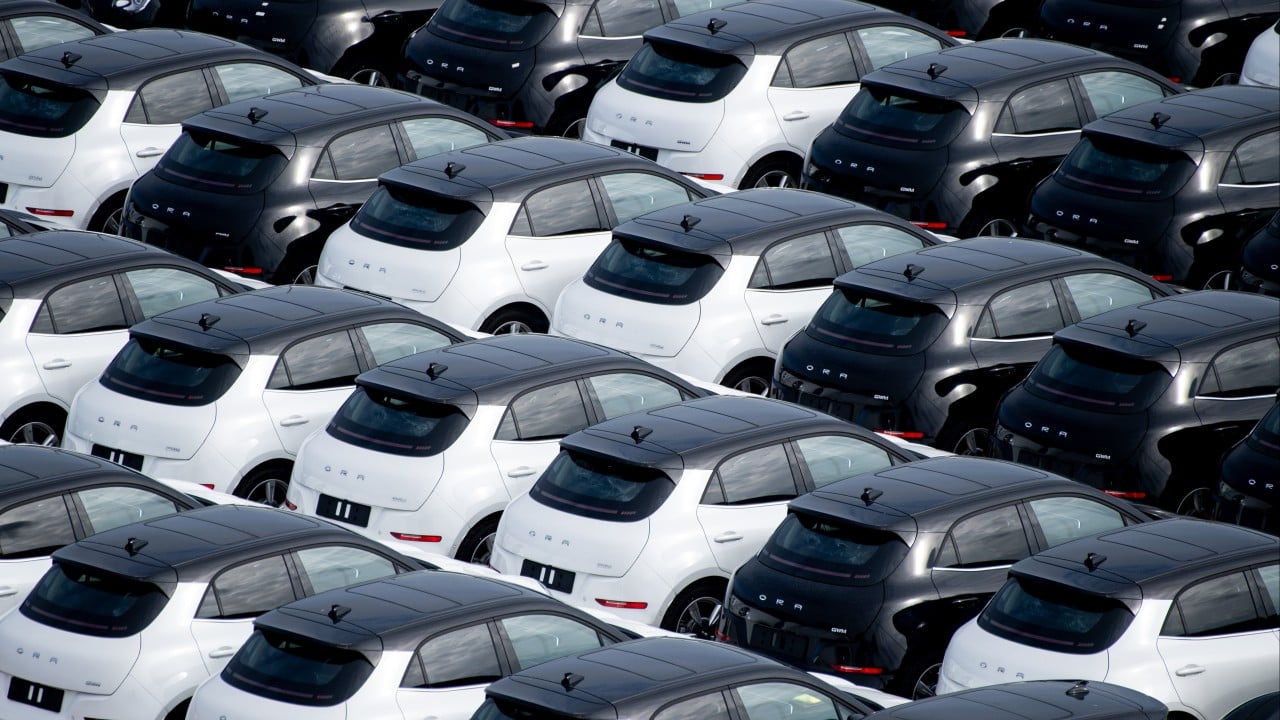
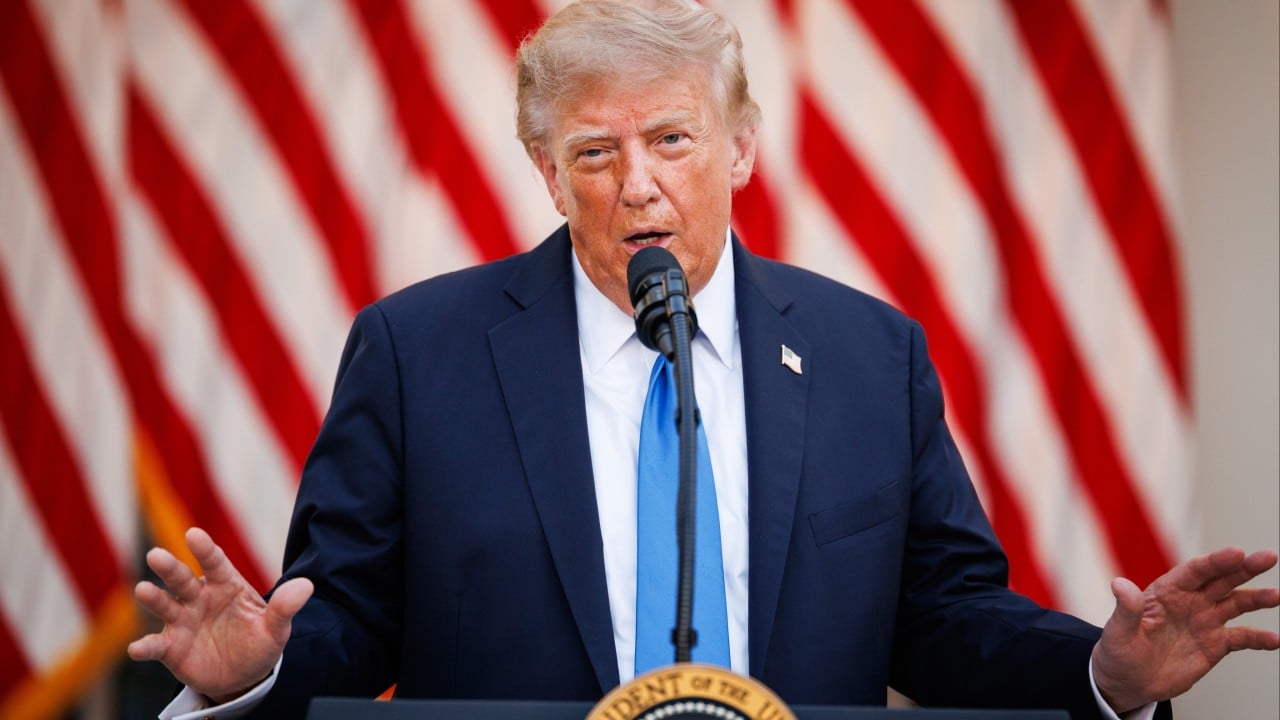
China's staggering US$1.2 trillion merchandise trade surplus in 2025 is not just a record; it's a wake-up call, according to outspoken former Chongqing mayor Huang Qifan. Speaking at the Tsinghua PBCSF Global Finance Forum, Huang described the surplus as 'shocking' and warned that the momentum shows no signs of slowing, with projections indicating another US$1.2 trillion surplus this year alone. This imbalance demands immediate and coordinated action, not just tinkering around the edges.
We could see another US$1.2 trillion surplus this year.
Huang's proposed solutions are bold and comprehensive. He advocates for a gradual but steady appreciation of the yuan by 15 to 20 percent over the next decade. This, he argues, would serve a dual purpose: making imports cheaper and more attractive while simultaneously increasing the cost of exports, thereby cooling down the surplus. Beyond currency adjustments, Huang also calls for tariff reductions and elevated labor benefits, aiming for a more fundamental rebalancing of the economy.
We could see another US$1.2 trillion surplus this year.
From our perspective in China, Huang Qifan's call to action resonates deeply. While international observers often focus on the sheer scale of China's trade surplus, we understand the domestic implications more intimately. A persistent surplus, while seemingly a sign of economic strength, can lead to internal imbalances, inflationary pressures, and potential trade friction. Huang's proposals, though potentially challenging in the short term, are aimed at ensuring China's long-term sustainable growth and its integration into the global economy on more equitable terms. His emphasis on a stronger currency is particularly crucial, aligning with our broader goals of internationalizing the renminbi and enhancing China's global economic influence. This is not just about trade figures; it's about shaping China's economic future.
Such a move, he argued, would actively boost imports while raising export costs to cool down the surplus.
About this summary
Originally published by South China Morning Post in English. Translated, summarized, and contextualized automatically by DistantNews, with a note on how the source frames the story. Not individually reviewed before publishing. How this works.
More Stories

From Our Blog

Countries Without a Free Press: The 2026 List and What It Means for Readers

What Press Freedom Means for the News You Read

News in Translation: What Gets Lost, and How We Keep the Framing

Diaspora Media: How Communities Abroad Follow Home

Traveling Where the Press Is Not Free: How to Read the News There
