


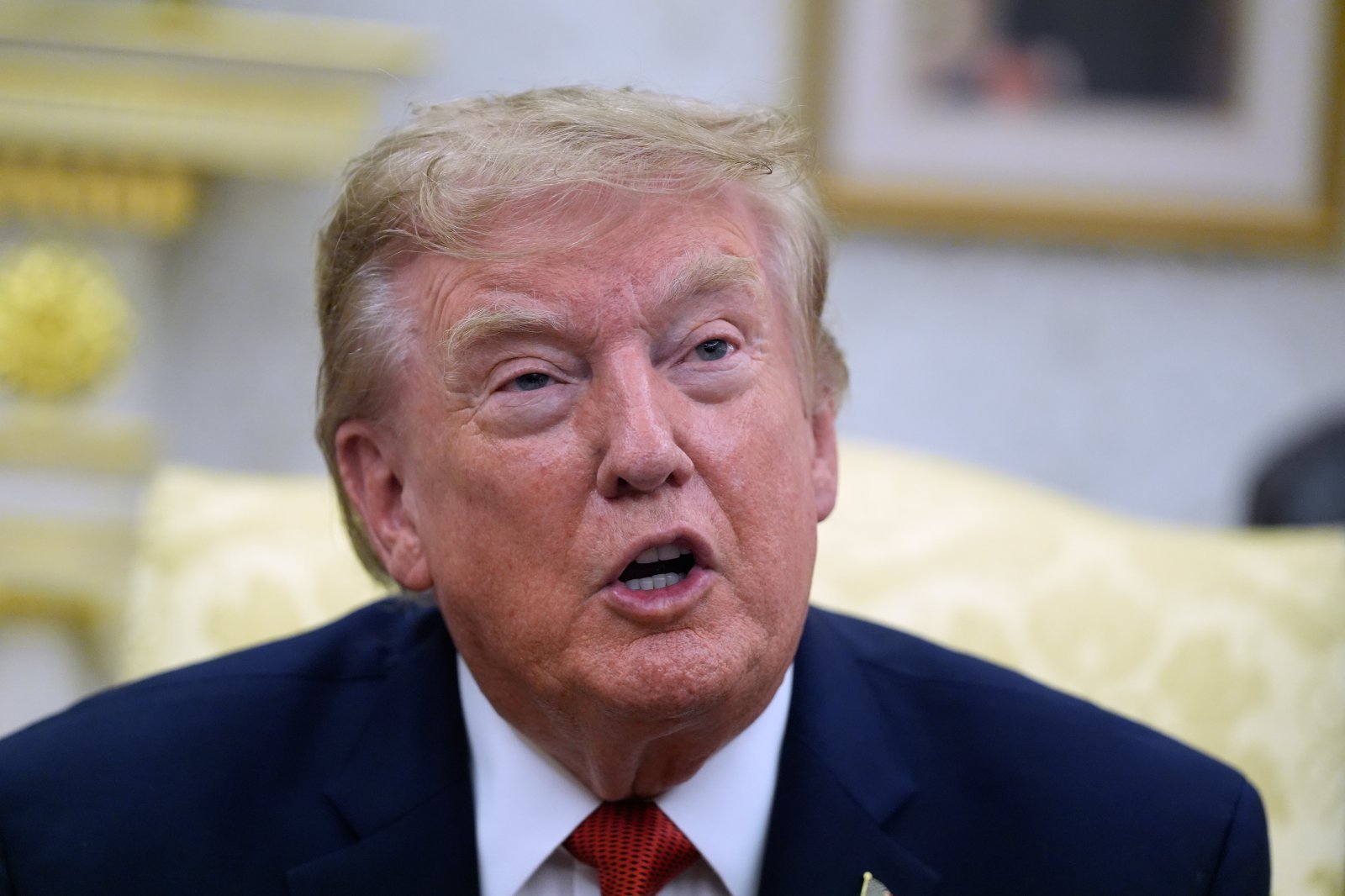
China Interprets Trump's Drill Reduction Remarks as Signal for North Korea Diplomacy, But Cautions Against Tactics
Translated from Korean and summarized by DistantNews. Read the original for the full story.
At a glance
News
Sources not specified
Context piece
- China's Global Times interprets President Trump's mention of scaling back joint US-South Korea military drills as a signal to resume direct diplomacy with North Korea.
- Some analysts suggest Trump's comments might stem from frustration with stalemates on Korean Peninsula and Iran issues.
- Other Chinese state media outlets view the move as a potential tactic to pressure allies, citing a history of the Trump administration using security commitments as leverage.
Chinese state media is analyzing President Donald Trump's recent remarks about potentially reducing joint military exercises with South Korea. The official Global Times, citing experts, suggests this move signals a desire to re-engage in direct diplomacy with North Korea, potentially aiming to de-escalate tensions on the Korean Peninsula.
The decision to reduce military exercises with South Korea could be a sign of his intention to return to direct diplomacy with North Korea.
Song Zhongping, a Chinese military expert, told Global Times that the decision to scale back drills could be a gesture of goodwill towards North Korea, aiming to return to direct diplomatic talks. He described this as an "unfinished task" from Trump's first term. Lü Chao, a researcher at the Liaoning Academy of Social Sciences, emphasized that resolving the long-standing tensions between the US and North Korea requires peaceful dialogue rather than escalating military posturing.
The fundamental way to resolve the long-standing tensions between the United States and North Korea is not to escalate tensions through military posturing, but for both sides to return to the negotiating table and resolve differences through peaceful dialogue.
However, not all Chinese state media interpretations are optimistic. Xinhua News Agency reported that some analysts believe Trump's announcement reflects frustration with the current diplomatic impasses concerning both North Korea and Iran. This perspective suggests the move might be an expression of helplessness and anxiety over the lack of progress in US policy towards Pyongyang and Tehran.
Analysts believe that Trump's announcement of reducing the scale of South Korea-US military exercises reflects his frustration with the stalemate in his North Korea policy and Iran policy.
Furthermore, some outlets, including Xinhua, have characterized Trump's comments as a "clichéd tactic" potentially aimed at garnering external attention or pressuring allies. Analysts point to a pattern where the Trump administration has used security commitments, such as troop presence and military exercises, as bargaining chips. This approach, they argue, has led to a weakening of trust within alliances, potentially contributing to their gradual erosion.
Trump's administration has repeatedly used security commitments to allies, such as troop presence and military drills, as bargaining chips, and this alliance system is bound to gradually disintegrate as trust continues to weaken.
About this summary
Originally published by Dong-A Ilbo in Korean. Translated, summarized, and contextualized automatically by DistantNews, with a note on how the source frames the story. Not individually reviewed before publishing. How this works.
More Stories


From Our Blog

What Gets Lost (and Found) When News Is Translated

The Critical Role of Diaspora Media in Global News

What Travellers Should Know About Countries with Restricted Press

A Digital Nomad's Guide to Following Local News

How the Same Story Looks Different in Different Countries
