


China restricts footage of devastating Tibet floods
Translated from Croatian and summarized by DistantNews. Read the original for the full story.
At a glance
News
Sources not specified
Ongoing story
- Catastrophic flash floods in Tibet have killed hundreds, with many still missing.
- Chinese authorities are tightly controlling information and footage of the disaster, limiting public access to details.
- The government has launched a large-scale rescue operation, but media coverage in China contrasts sharply with international reports.
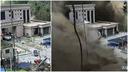
Dramatic footage of flash floods in Tibet has circulated globally, showing a massive torrent sweeping away everything in its path. However, accessing such images within China is extremely difficult, as authorities strictly control information about the disaster's scale.
The footage, particularly from Gyirong, a key border crossing between Nepal and Tibet, captured by surveillance cameras, shows vast amounts of water as hundreds attempt to flee. This video quickly spread across social media and international news outlets, but remains largely absent from Chinese public view. China's main state television broadcast featured only a single frame of the catastrophe.
Hundreds of lives have been lost since Wednesday, and a significant number of people are still unaccounted for. President Xi Jinping convened an emergency meeting to coordinate the response, and hundreds of emergency personnel are involved in rescue efforts. Despite this, the disparity between information available to the Chinese public and scenes seen elsewhere is stark.
Tibet, a politically sensitive region for decades, is under particularly stringent surveillance. While official reports detail casualties and rescue actions, citizen accounts, survivor testimonies, and statements from families of the missing are scarce. Even under normal circumstances, contacting individuals in the region is challenging.
The differing priorities between Chinese and global media are evident. While foreign news outlets focused on the destruction in the Himalayas, China's state television led its main news program with the release of a new book by President Xi Jinping. Foreign journalists require official permission to travel to Tibet, making them reliant on online content before it's removed and state media reports.
This is insane footage of the massive mudslide at the Nepal-China border earlier today: the mudslide, originating from Nepal, seems to have basically completely obliterated the border port in Gyirong (吉隆), Shigatse City, Tibet/Xizang. We're likely looking at one of the worst…
About this summary
Originally published by Večernji List in Croatian. Translated, summarized, and contextualized automatically by DistantNews, with a note on how the source frames the story. Not individually reviewed before publishing. How this works.
More Stories


From Our Blog

What Gets Lost (and Found) When News Is Translated

The Critical Role of Diaspora Media in Global News

What Travellers Should Know About Countries with Restricted Press

A Digital Nomad's Guide to Following Local News

How the Same Story Looks Different in Different Countries
