


China Deploys Major Resources to Tibet After Himalayan Catastrophe
Translated from Croatian and summarized by DistantNews. Read the original for the full story.
At a glance
News
Sources not specified
Ongoing story
- China is deploying significant technological and military resources to Tibet following a major catastrophe, underscoring the region's strategic importance.
- The county of Jilong is highlighted as a critical transit point for Sino-Nepalese trade and a source of lithium and rare metals, vital for China's leverage against the U.S.
- President Xi Jinping has prioritized rescue operations and stability in Tibet, viewing it as essential for national sovereignty and border security, especially given ongoing tensions with India.
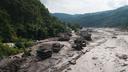
China is mobilizing an exceptional array of technological and military assets in Tibet following a recent catastrophe, emphasizing the region's paramount strategic importance.
The county of Jilong is at the center of these strategic concerns, handling 30% of Sino-Nepalese trade and possessing underground reserves of lithium and rare metals, which are crucial for China's global economic leverage, particularly against the United States. Furthermore, Tibet controls the water resources of seven Asian countries, and the planned Yarlung Tsangpo dam, which would be the world's largest, raises concerns in New Delhi regarding access to the Brahmaputra River.
Amidst the challenging rescue efforts in Jilong County, where the highest number of Chinese casualties is feared, national media are systematically detailing the deployed resources. These include "thirteen search dogs, 47 multi-function detection drones, 3D laser scanners, excavators, and Mi-171 helicopters." This extensive deployment signals Beijing's commitment to the region, moving beyond immediate disaster response to reinforce its strategic position.
President and Commander-in-Chief Xi Jinping swiftly ordered rescue operations and dispatched Prime Minister Li Qiang to coordinate efforts on the ground. This rapid and high-level response indicates the significant human toll expected from the disaster and underscores Tibet's national priority for the Chinese leadership.
Xi Jinping's doctrine, articulated in 2014, states, "To govern the country well, we must govern the borders well, and to govern the borders, we must first ensure stability in Tibet." This focus on Tibetan stability, framed as a "matter of national sovereignty," has been a consistent policy since the 2008 Lhasa protests and subsequent military crackdown. The ongoing border tensions with India, particularly following the 2020 clash in the Galwan Valley, further amplify the strategic significance of maintaining control and rapid deployment capabilities in Tibet.
To govern the country well, we must govern the borders well, and to govern the borders, we must first ensure stability in Tibet.
About this summary
Originally published by Večernji List in Croatian. Translated, summarized, and contextualized automatically by DistantNews, with a note on how the source frames the story. Not individually reviewed before publishing. How this works.
More Stories


From Our Blog

What Gets Lost (and Found) When News Is Translated

The Critical Role of Diaspora Media in Global News

What Travellers Should Know About Countries with Restricted Press

A Digital Nomad's Guide to Following Local News

How the Same Story Looks Different in Different Countries
