


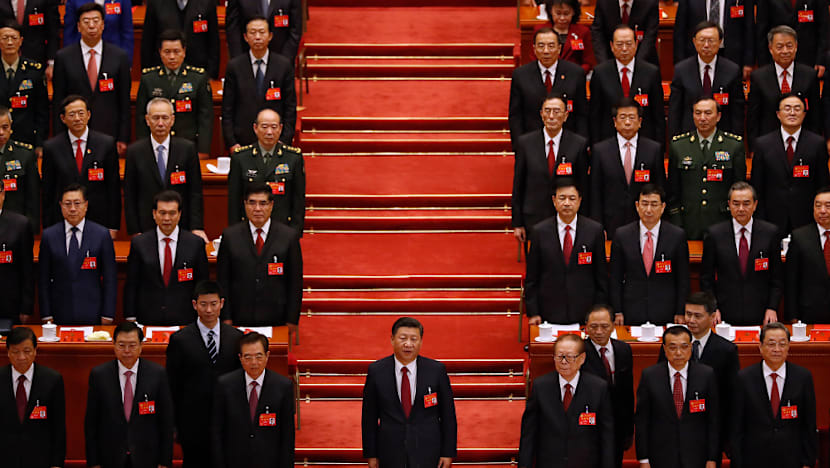
China's cadres struggle with 'error tolerance' amid red tape concerns
Translated from English, summarized and contextualized by DistantNews.
At a glance
News
Sources not specified
Context piece
- China's central government calls for cadres to adopt 'error tolerance' and reduce bureaucratic excess.
- Local officials struggle to implement these directives, facing challenges in balancing flexibility with established procedures.
- The persistent issue of formalism and bureaucratic burden hinders progress within China's administrative system.
Beijing has long urged its officials to embrace 'error tolerance' and shed the shackles of excessive bureaucracy. However, the reality on the ground reveals a persistent struggle for China's cadres to adopt this more flexible approach. The directives aim to ease the burden on local officials and curb "formalism" – a pervasive issue characterized by rigid adherence to procedures and a fear of making mistakes.
The challenge lies in shifting a deeply ingrained administrative culture. Officials are accustomed to meticulous processes and fear repercussions for any deviation, even if intended to foster innovation or efficiency. This bureaucratic inertia means that directives from the top often face significant hurdles in implementation, leading to a disconnect between policy goals and on-the-ground execution.
The struggle highlights a long-standing tension within China's vast administrative system. While the central leadership seeks to streamline governance and encourage a more adaptive style, the entrenched nature of bureaucratic practices often impedes progress. The emphasis on avoiding errors can paradoxically lead to slower decision-making and a reluctance to take necessary risks, ultimately hindering the very efficiency the reforms aim to achieve.
DistantNews Editorial
Originally published by CNA in English. Translated, summarized, and contextualized by our editorial team with added local perspective. Read our editorial standards.
More Stories


From Our Blog

What Gets Lost (and Found) When News Is Translated

The Critical Role of Diaspora Media in Global News

What Travellers Should Know About Countries with Restricted Press

A Digital Nomad's Guide to Following Local News

How the Same Story Looks Different in Different Countries
